Your sense of smell is easy to take for granted - until something changes.
A familiar food suddenly smells different. Coffee loses its usual aroma. Perfume seems unusually weak. A once-pleasant smell becomes unpleasant or strangely distorted. In some cases, you may even notice odors that nobody else can detect.
These changes can be temporary and relatively harmless. A cold, allergies, congestion, or a recent respiratory infection can interfere with the way odors reach the smell receptors inside the nose.
But changes in smell can sometimes provide useful information about what is happening elsewhere in the body.
The sense of smell is closely connected with the nasal passages, nerves, brain, and sensory-processing systems. Because of that, persistent or unexplained changes deserve attention, especially when they occur alongside other symptoms.
A change in smell does not automatically mean that something serious is wrong. It simply means there may be a reason worth understanding.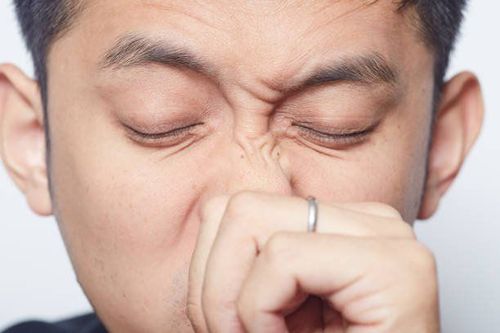
How Does the Sense of Smell Work?
Smelling begins when odor molecules enter the nose.
Deep inside the nasal cavity is a specialized area containing olfactory receptor cells. These cells detect chemical compounds in the air and send signals through the olfactory nerve to areas of the brain involved in identifying and interpreting smells.
This process may seem simple, but it is remarkably sophisticated.
Your brain does not merely recognize an odor. It connects smells with memory, emotion, appetite, and experiences.
That is why the smell of a particular meal can remind you of childhood, or the scent of rain can immediately trigger a familiar memory.
Because smell is so closely connected to the nervous system, a change in this sense can sometimes be more meaningful than people realize.
A Change in Smell Does Not Always Mean Disease
The most important thing to understand is that many causes of smell changes are ordinary and temporary.
A blocked nose can prevent odor molecules from reaching the smell receptors normally. Allergies can cause swelling and mucus production. A respiratory infection can temporarily interfere with smell. Smoking and exposure to irritants can also affect the nasal passages.
Even simple changes in the environment may alter how strongly you perceive an odor.
For this reason, a single episode of reduced smell is usually not enough to draw conclusions about your health.
The pattern matters.
Is the change temporary?
Is it getting better?
Did it begin after a cold or allergy flare?
Or has it continued for weeks without an obvious explanation?
Those questions can provide much more useful information.
Loss of Smell: Hyposmia and Anosmia
Medical professionals use specific terms to describe changes in smell.
Hyposmia refers to a reduced ability to smell.
Anosmia refers to a complete loss of smell.
Some people notice the change suddenly. Others gradually realize that familiar odors are becoming weaker.
You might discover it because food tastes unusually bland, because you can no longer smell perfume, or because someone points out that you are not reacting to an odor that others notice.
Because taste and smell work together, a reduced sense of smell can also make food seem less flavorful.
This can affect appetite and enjoyment of meals.
Distorted Smell Can Be Just as Important
Not every smell disorder involves losing the sense of smell.
Sometimes the problem is that odors seem different from what they should be.
This can be called parosmia.
For example, a person may smell coffee but perceive it as burnt, chemical-like, or unpleasant. Foods that once smelled normal may suddenly become difficult to tolerate.
Another phenomenon is phantosmia, in which a person experiences a smell that is not actually present in the environment.
Some people describe smelling smoke, burning, chemicals, or other unusual odors even when nobody else can detect them.
These experiences can have many possible causes, and they should not automatically be interpreted as signs of one particular disease.
Respiratory Infections Are a Common Explanation
One of the most familiar reasons for a temporary loss or change in smell is a respiratory infection.
Inflammation, congestion, and changes affecting the nasal passages can interfere with normal odor detection.
For some people, smell returns gradually as the illness improves.
In other cases, changes may persist for longer than expected.
When smell does not return normally after an infection, especially if the problem is significant or prolonged, discussing it with a healthcare professional can help determine whether further evaluation is appropriate.
Allergies and Chronic Nasal Problems Can Affect Smell
People with chronic allergies or persistent nasal inflammation may experience changes in smell because airflow through the nose is reduced.
Conditions such as chronic sinus problems and nasal polyps can also interfere with the ability of odor molecules to reach the olfactory region.
You may notice symptoms such as:
-
Persistent nasal congestion
-
Runny nose
-
Facial pressure
-
Reduced ability to smell
-
Mouth breathing
-
Repeated sinus symptoms
In these cases, treating the underlying nasal problem may help improve smell.
That is why a persistent smell change should not automatically be viewed as a neurological problem.
Sometimes the explanation is much closer to home - literally inside the nose.
Smoking Can Change the Way Things Smell
Smoking affects the respiratory system in many ways, and the sense of smell can also be affected.
Long-term exposure to smoke can irritate the nasal passages and influence sensory function.
Some smokers gradually become less sensitive to certain odors without recognizing how much their sense of smell has changed.
Reducing or stopping smoking can benefit overall health and may also help reduce ongoing exposure to substances that irritate the respiratory system.
Head Injuries Can Sometimes Affect Smell
The olfactory nerves are particularly vulnerable to certain types of head trauma.
A significant injury can damage structures involved in transmitting smell information from the nose to the brain.
Some people notice a change immediately after an accident, while others become aware of it later.
A new or persistent loss of smell following a head injury is therefore worth discussing with a healthcare professional.
The same applies to a sudden change accompanied by other neurological symptoms.
Medications Can Sometimes Play a Role
Medication is another factor that can be overlooked.
Some medicines may alter taste or smell directly or indirectly. Others can cause dry mouth, nasal changes, or other effects that influence how sensory information is perceived.
If your sense of smell changes soon after starting a new medication, increasing a dose, or adding another drug, it is useful to make a note of the timing.
That information can help a healthcare professional evaluate whether there may be a connection.
Do not stop a prescription medication on your own simply because you notice a change in smell.
The Sense of Smell Is Closely Linked to the Brain
The olfactory system has a particularly close relationship with areas of the brain involved in memory, emotion, and sensory processing.
That is one reason researchers have studied changes in smell in connection with certain neurological conditions.
In some disorders affecting the brain or nervous system, smell abnormalities may occur before or alongside other symptoms.
However, this point needs to be interpreted carefully.