When Your Liver Is in Trouble: How Your Body Signals Pain
The liver is one of the most vital organs in the human body, quietly performing hundreds of essential functions every day. It helps detoxify harmful substances, supports digestion, stores nutrients, and regulates metabolism. Because of its resilience, liver problems often develop silently. However, when the liver begins to struggle, the body may send warning signals—sometimes in the form of pain in unexpected areas.
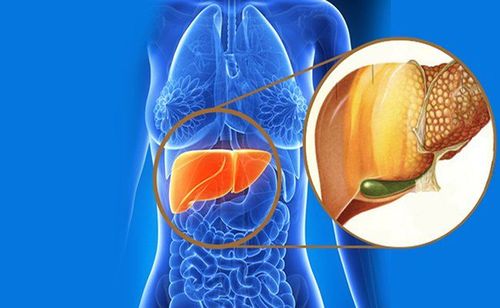
One of the most common signs linked to liver issues is discomfort in the upper right abdomen. This is where the liver is located, just beneath the rib cage. When the liver becomes inflamed or enlarged, it can create a dull, persistent ache or a feeling of fullness in this region. Some people may ignore this sensation at first, mistaking it for simple indigestion.
Pain may also radiate to the right shoulder or upper back. This happens because the nerves connected to the liver can transmit signals to nearby areas, causing what is known as referred pain. If you notice unexplained discomfort in these regions, especially alongside other symptoms, it may be worth paying closer attention.

Beyond localized pain, liver dysfunction can cause more generalized discomfort. Abdominal bloating, a sense of heaviness, or tenderness when pressing on the stomach can all be subtle indicators. In more advanced cases, swelling due to fluid buildup may occur, making the abdomen feel tight and uncomfortable.
It’s important to understand that pain is not always the first or most obvious symptom of liver disease. Fatigue, nausea, loss of appetite, and unexplained weight changes often appear earlier. Yellowing of the skin or eyes (jaundice), dark urine, and pale stools are more serious signs that require immediate medical attention.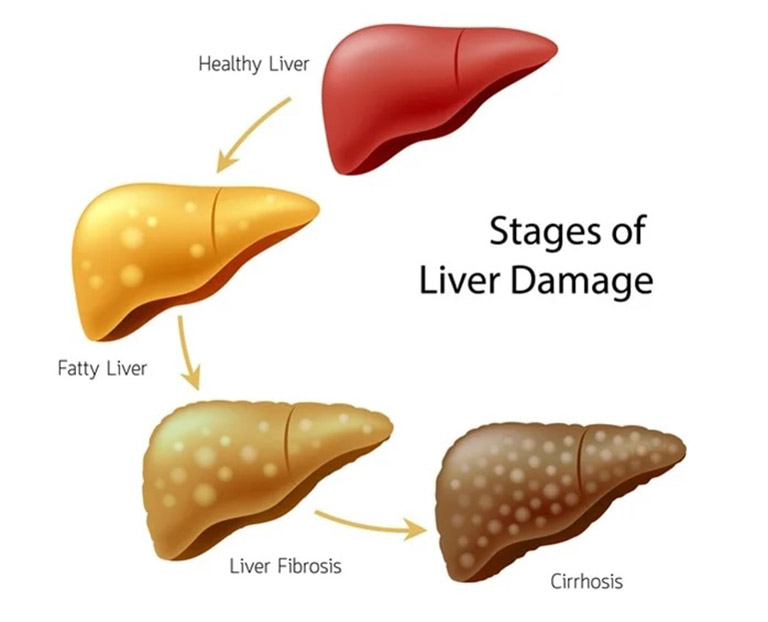
Because the liver plays such a central role in overall health, taking care of it is essential. Maintaining a balanced diet, limiting alcohol intake, avoiding unnecessary medications, and staying physically active can all help support liver function. Regular health check-ups are also important, especially if you have risk factors such as obesity, viral infections, or a family history of liver disease.
In short, when your liver is not functioning properly, your body may try to alert you through discomfort and pain in specific areas. Listening to these signals—and acting on them early—can make a significant difference in protecting your long-term health.