Paralytic ileus is a condition where the intestines stop moving food and gas forward, not because of a physical blockage, but due to a loss of normal muscle activity (peristalsis). When this happens, digestion slows or stops, leading to discomfort, bloating, and potentially serious complications if not addressed.
Medically, this condition is known as Paralytic Ileus.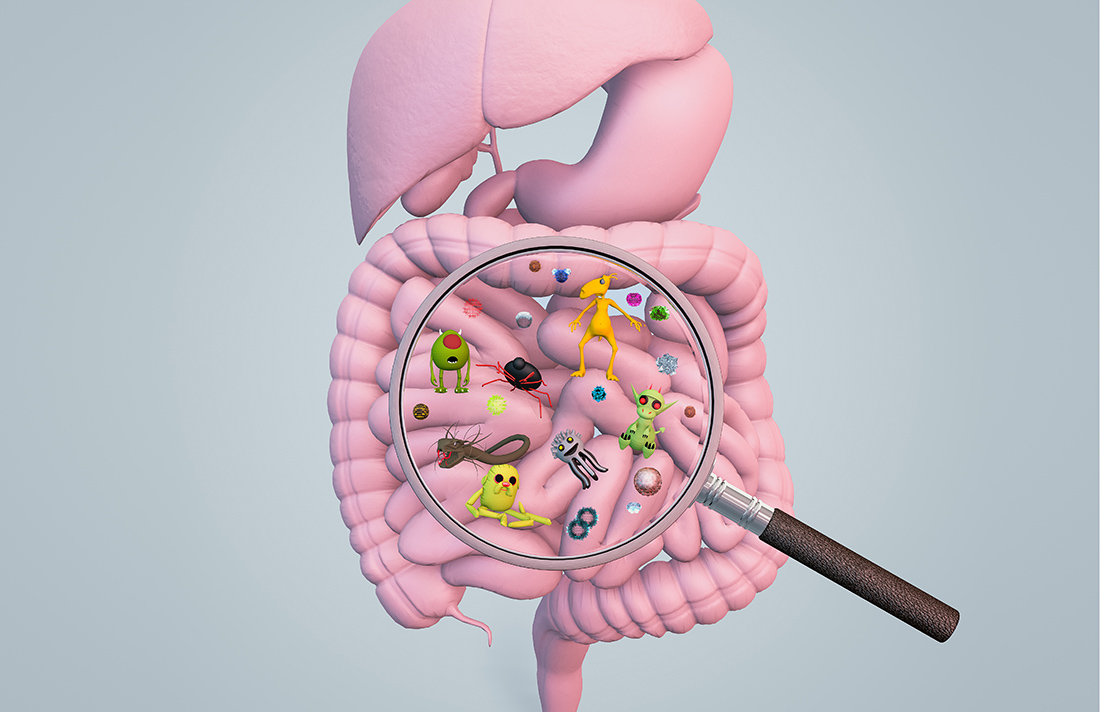
What Happens in Paralytic Ileus?
Normally, your intestines contract rhythmically to move food along. In paralytic ileus:
- These contractions stop or slow significantly
- Food, gas, and fluids accumulate
- The abdomen becomes distended
Unlike mechanical obstruction, there is no physical blockage—just inactivity.
Common Causes
Paralytic ileus often develops as a secondary condition, meaning it’s triggered by another issue.
1. Post-Surgical Effects
- Very common after abdominal or pelvic surgery
- The intestines temporarily “shut down” due to stress or handling
2. Medications
Certain drugs can reduce gut movement:
- Opioid painkillers
- Anticholinergics
- Some antidepressants
3. Electrolyte Imbalance
- Low potassium (hypokalemia)
- Sodium or calcium imbalance
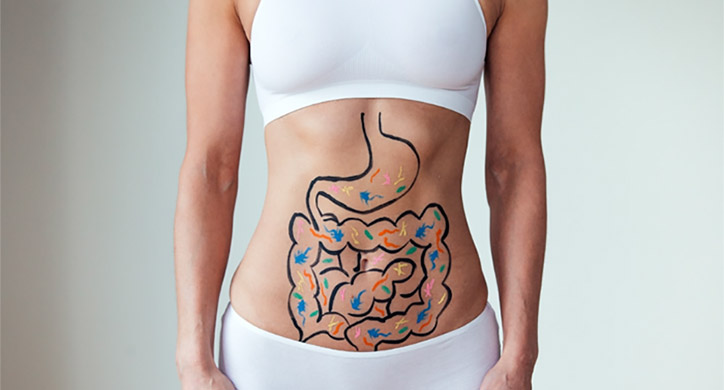
These minerals are essential for muscle contraction, including the intestines.
4. Infections or Inflammation
- Abdominal infections
- Severe illness or trauma
5. Chronic Conditions
- Neurological disorders
- Severe systemic illness
Symptoms to Watch For
Symptoms can vary but often include:
- Abdominal bloating and swelling
- Lack of bowel movements
- Inability to pass gas
- Nausea and vomiting
- Loss of appetite
- Mild to moderate abdominal pain
In severe cases, symptoms may worsen and require urgent care.
Why It Can Be Dangerous
If untreated, paralytic ileus can lead to:
- Severe discomfort
- Dehydration
- Electrolyte imbalance
- Increased pressure in the intestines
In rare cases, complications like bowel rupture can occur.
Diagnosis
Doctors typically use:
- Physical examination (checking bowel sounds)
- Imaging tests (X-ray or CT scan)
- Blood tests (to check electrolyte levels)
The key is distinguishing it from a mechanical obstruction, which requires different treatment.
Treatment Options
1. Supportive Care
- Resting the bowel (no solid food temporarily)
- IV fluids to prevent dehydration
2. Medication Adjustment
- Reducing or stopping drugs that slow gut movement
3. Electrolyte Correction
- Restoring potassium and other minerals
4. Nasogastric Tube (if needed)
- Removes built-up gas and fluid
- Relieves pressure and discomfort
5. Gradual Return to Eating
- Starting with liquids, then soft foods
Most cases resolve within a few days with proper care.
Prevention Tips
You can reduce risk by:
- Moving early after surgery (even light walking)
- Staying hydrated
- Maintaining balanced electrolytes
- Limiting unnecessary use of medications that slow digestion
- Eating a fiber-rich, balanced diet (when appropriate)
When to Seek Medical Help
Get medical attention if you experience:
- Severe bloating with no bowel movement
- Persistent vomiting
- Worsening abdominal pain
- Symptoms after surgery that don’t improve

Final Take
Paralytic ileus is not a blockage - but it can feel like one.
It’s a temporary shutdown of intestinal movement, often triggered by surgery, medication, or imbalance in the body. The good news is that most cases are reversible with timely care.
The key is recognizing the signs early and not ignoring persistent digestive symptoms.
Because when your body stops moving internally, it’s a signal that something needs attention and the sooner you respond, the easier recovery becomes.