But over time, Lambert began reporting problems that he believed had seriously damaged the property.
According to his allegations, exterior work on the building had allowed water to enter his apartment. He complained about moisture, water intrusion, and suspected black mold developing in affected areas.
What might initially have appeared to be a maintenance problem became something much more serious in his eyes.
Lambert believed that the damage was not being properly addressed. He wanted repairs, answers, and recognition of what he said was happening inside his home.
His frustration eventually became visible to other residents.
One neighbor who lived below him recalled that Lambert grew increasingly upset during condominium meetings. Rather than keeping his complaints confined to conversations with building management, he invited other residents into his apartment so they could see the conditions for themselves.
He wanted people to understand why he was so concerned.
Photographs he later shared online showed exposed sections of walls, dark staining, damaged surfaces, and areas where building materials had been removed. Other images showed furniture covered in protective plastic, bags piled around the living space, and personal belongings displaced during the ongoing repair problems.
For Lambert, these images appeared to represent evidence of a problem that had continued for far too long.
The dispute eventually moved beyond condominium meetings and informal requests.
In March 2025, he filed a lawsuit against the Metropole Condominium Association and EJF Real Estate Services. By May 2026, he was seeking more than $290,000 in damages.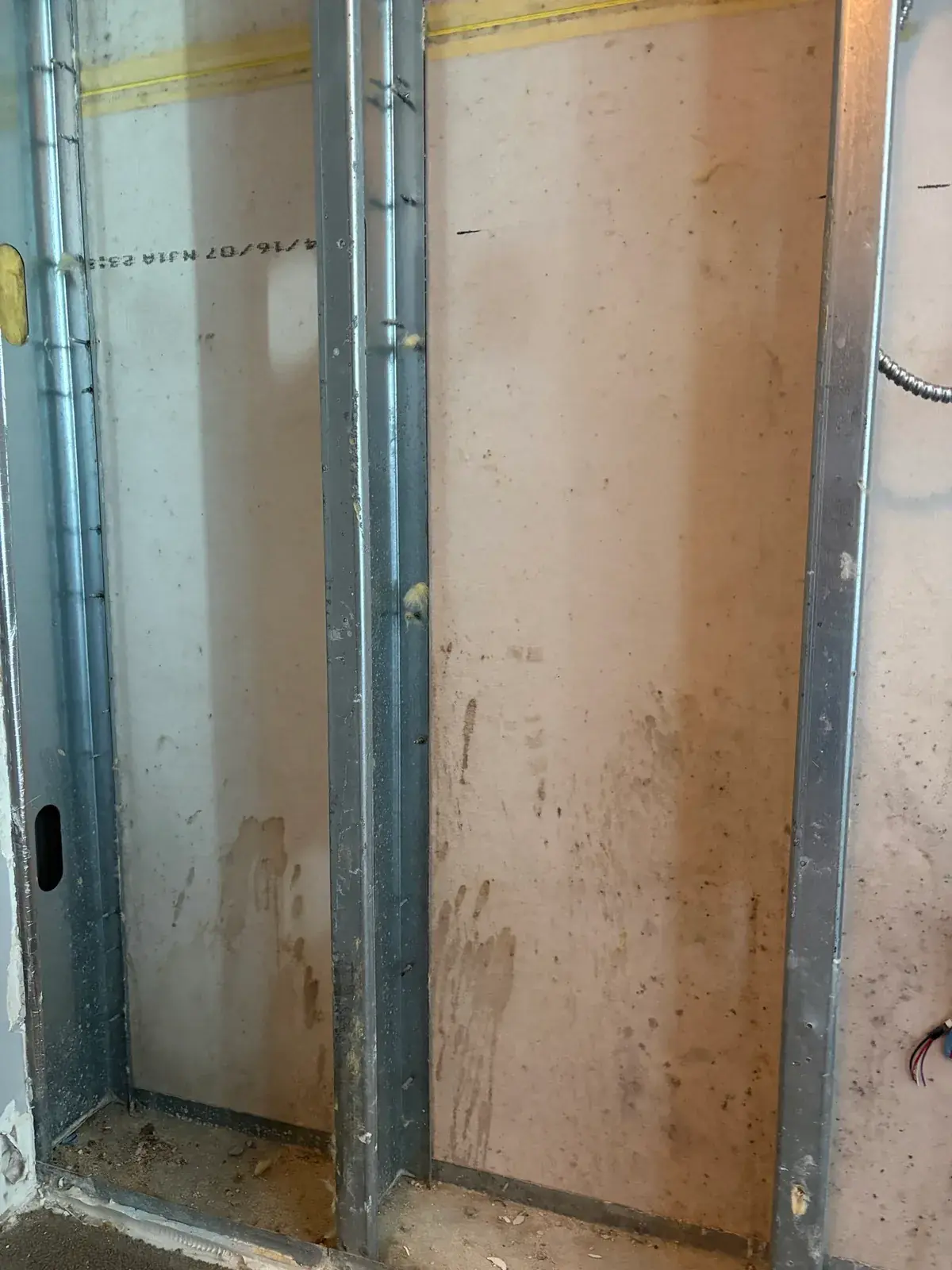
The defendants denied responsibility.
According to his attorney, Lambert had spent approximately $300,000 pursuing the legal case. That was a substantial amount of money, particularly considering that the original purchase price of the apartment had been approximately $1.1 million.
The lawsuit remained unresolved when the shooting occurred.
It is important to distinguish between Lambert's allegations and findings established by a court. His complaints about water intrusion and suspected mold formed the basis of his position in the dispute, but the defendants disputed responsibility, and the available reporting did not establish that every allegation had been proven.
Nevertheless, the conflict had become a major part of his life.
Residents reportedly saw him discussing the issue at building meetings. He continued seeking support and trying to persuade others that the condition of his apartment deserved greater attention.
Eventually, his complaints moved into another public space: social media.
Lambert used an X account called @OfMiceandMold to share his frustrations. He posted photographs, discussed the legal dispute, criticized the people responsible for managing the property, and referred to technical documentation that he believed supported his claims.
The account became a kind of public record of his growing dissatisfaction.
People who visited it could see that the apartment dispute was not something he mentioned occasionally. It had become a recurring subject, appearing in posts about the building, its management, suspected mold, and the engineering assessments he wanted others to examine.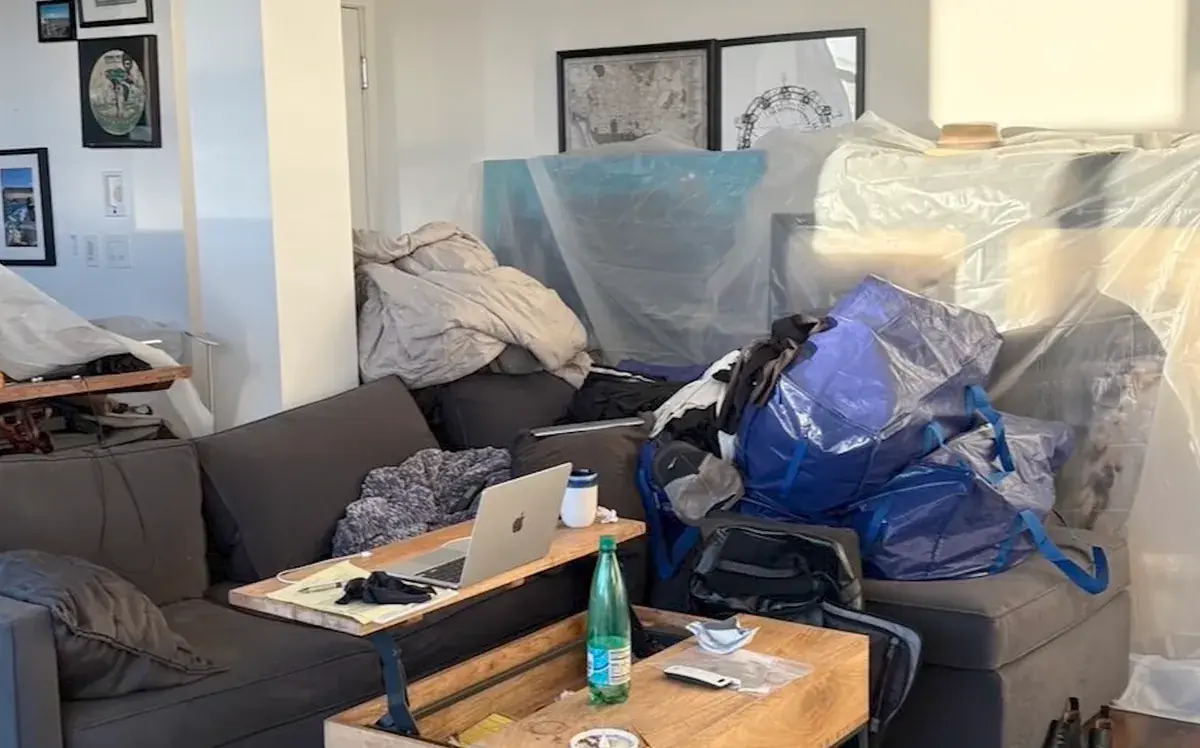
The longer the conflict continued, the more attention his online activity attracted.
Yet there was a distinction between someone publicly expressing anger over a property dispute and someone preparing to commit violence. The existence of the lawsuit did not, by itself, establish a motive for the later shooting.
Investigators would have to examine the circumstances independently.
Still, when the events of November 12 unfolded, the apartment became central to the investigation.
It was where Lambert had lived, where he had documented the problems he believed were affecting him, and where he would eventually barricade himself during the police response.
What made the case even more unsettling was that his online activity had begun attracting attention for reasons that went beyond complaints about repairs.
Months before the shooting, some of his messages contained references that would later be viewed in a very different light.
And one particular post, written about the building manager's daily routine, would become especially difficult to ignore.
CHAPTER 3: THE CRYPTIC POSTS THAT LOOKED DIFFERENT AFTER THE SHOOTINGWhen investigators and members of the public began examining Matt Lambert's social media activity, they found a collection of messages that offered a glimpse into the dispute consuming his attention.
The account @OfMiceandMold was primarily devoted to the problems he believed existed inside the Metropole condominium.
He shared photographs of damaged areas, discussed suspected microbial growth, criticized the management of the building, and repeatedly referred to technical evidence that he believed supported his complaints.
But not every post was simply about repairs.
One message dated October 1 contained a reference to "Luigi" tactics, alongside the phrase "delay, deny, defend."
The reference appeared to invoke Luigi Mangione, who was charged in connection with the 2024 killing of UnitedHealthcare CEO Brian Thompson.
Lambert used the language while criticizing the condominium association's handling of his complaints.