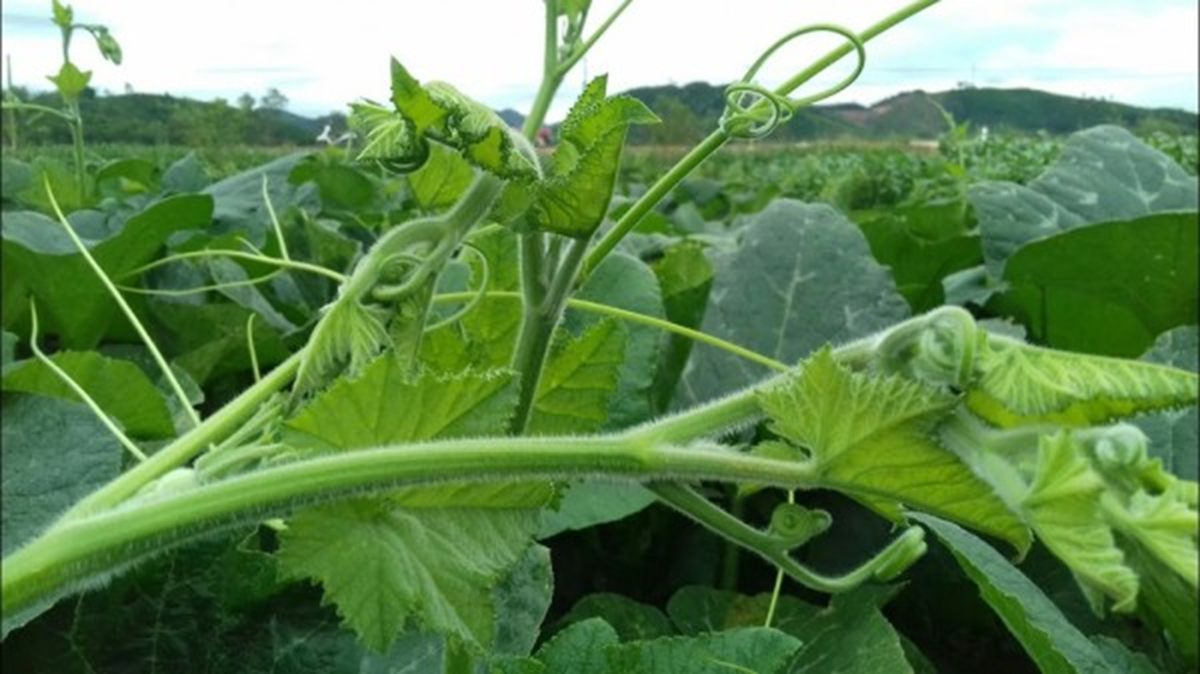
A Humble Village Vegetable Packed with Nutrients—Why Pumpkin Leaves Are Called “Poor Man’s Ginseng”
In many rural areas, a simple, fast-growing vegetable often climbs fences and spreads wildly in gardens. Despite its humble appearance and low price, this leafy green is being praised for its impressive nutritional value—so much so that it’s sometimes compared to “ginseng.”
That vegetable is pumpkin leaves, a familiar ingredient in many Vietnamese family meals.
More Than Just a Simple Vegetable
Pumpkin leaves include the tender shoots, young leaves, and even pumpkin flowers. While often seen as a rustic dish, they actually contain a wide range of beneficial nutrients.
Rich in fiber, vitamins, and plant compounds, pumpkin leaves are increasingly recognized as a powerful addition to a healthy diet.
Potential Anti-Cancer Properties
One of the standout benefits of pumpkin leaves is their high content of antioxidants and anti-inflammatory compounds.
These include phenolic compounds, flavonoids, and phytosterols—substances believed to help inhibit harmful processes in the body and potentially reduce the risk of cancer development.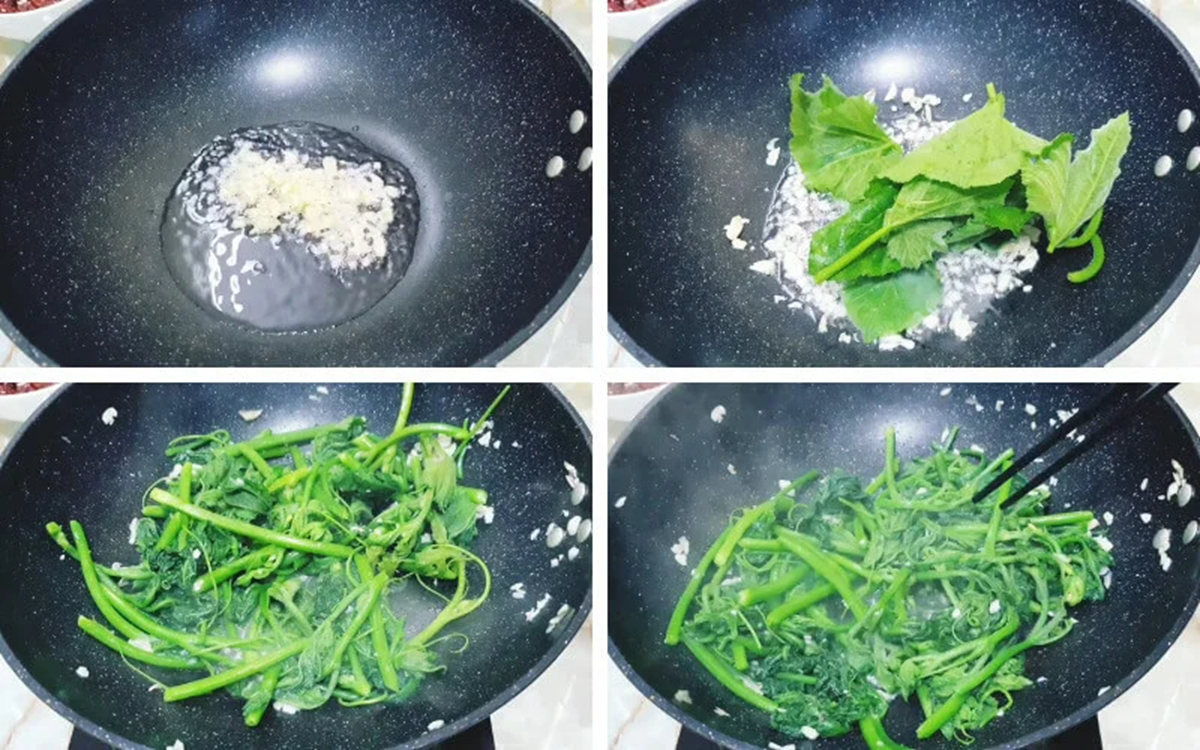
Good for Skin and Immunity
Pumpkin leaves provide a source of vitamin A, which plays an important role in protecting the skin from damage caused by free radicals and environmental toxins.
At the same time, the combination of vitamins and minerals supports the immune system, helping the body defend itself against illness.
Supports Heart Health
This vegetable is also rich in potassium, a key mineral that helps regulate blood pressure by balancing sodium levels in the body.
In addition, its soluble fiber can bind to bad cholesterol (LDL) and remove it from the body, reducing the risk of cardiovascular diseases such as stroke and heart attack.
A Natural Anti-Inflammatory Food
Pumpkin leaves contain vitamin B6 and natural anti-inflammatory compounds that may help reduce swelling and discomfort, particularly in conditions like arthritis.
Excellent for Digestion
Thanks to their high fiber content, pumpkin leaves act like a natural “cleaner” for the digestive system.
Insoluble fiber helps prevent constipation by improving bowel movement, while soluble fiber supports beneficial gut bacteria and overall digestive health.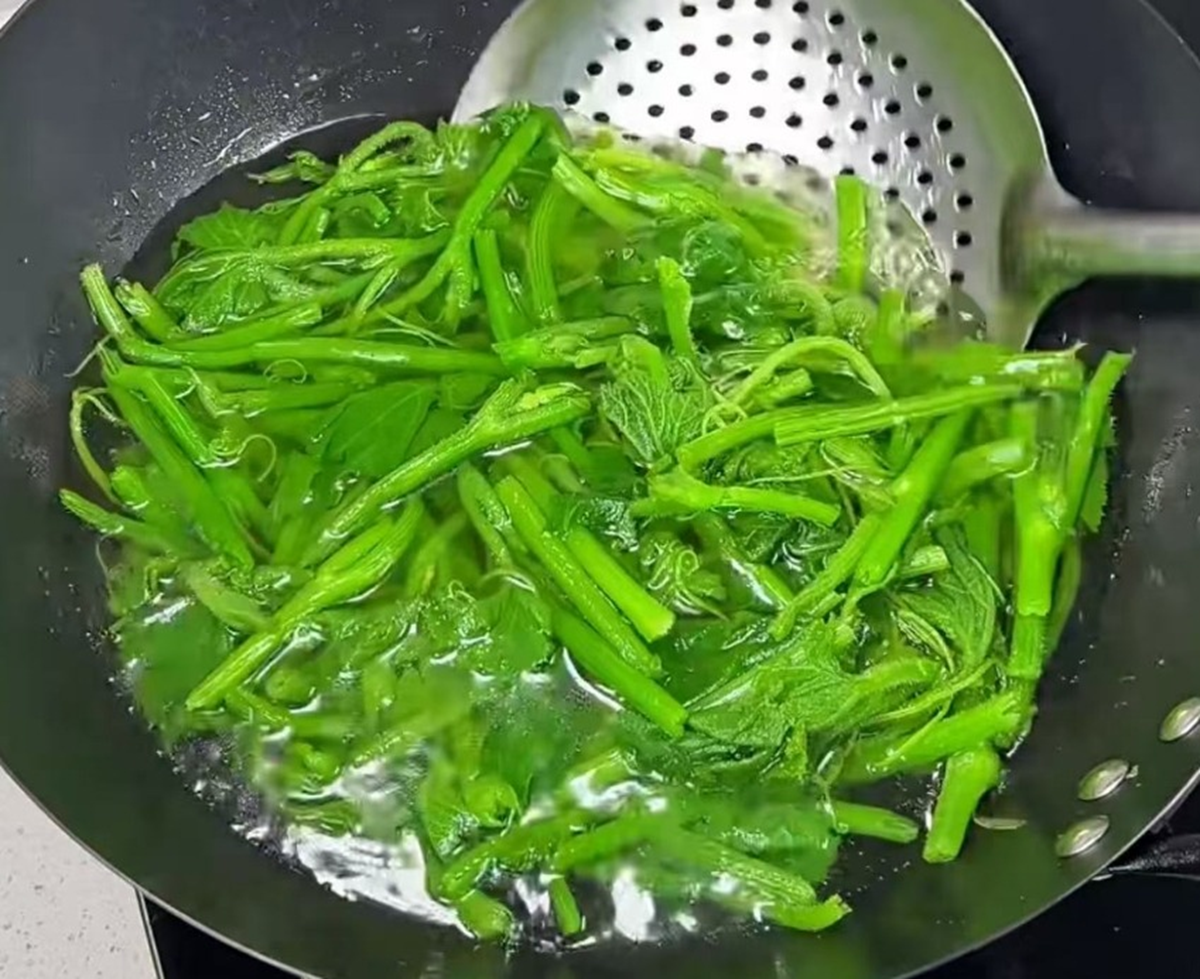
Protects Eye Health
Another key benefit comes from beta-carotene, a precursor to vitamin A. This nutrient helps protect vision, reduce dryness, and lower the risk of age-related eye conditions.
Helps Control Blood Sugar
The fiber in pumpkin leaves slows down sugar absorption into the bloodstream, making it especially beneficial for people with diabetes or those at risk of developing the condition.
Simple, Affordable, and Worth Adding to Your Diet
Despite being widely available and inexpensive, pumpkin leaves offer a remarkable range of health benefits.
Whether stir-fried with garlic or added to soups, this everyday vegetable proves that nutritious food doesn’t have to be expensive.