Health Benefits of Winter Melon (Wax Gourd): A Light, Refreshing Vegetable Worth Adding to Your Diet

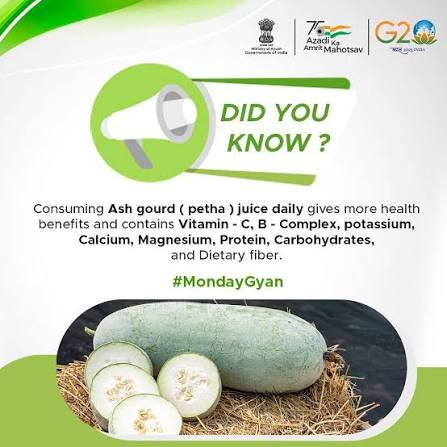
Winter melon, also known as wax gourd, ash gourd, or white gourd, is a popular vegetable in many Asian cuisines. With its mild flavor, high water content, and low calorie count, winter melon is often enjoyed in soups, stir-fries, teas, and refreshing drinks. While it is not a miracle food, it provides several nutrients that can support overall health when included as part of a balanced diet.
Here are 10 science-backed reasons to enjoy winter melon.
1. Helps Keep You Hydrated
Winter melon is made up of more than 95% water, making it an excellent food for staying hydrated.
Proper hydration helps:
-
Regulate body temperature.
-
Support healthy digestion.
-
Maintain kidney function.
-
Keep joints lubricated.
-
Promote healthy skin.
Eating water-rich vegetables can help supplement your daily fluid intake.
2. Low in Calories
Winter melon is naturally very low in calories, making it an excellent choice for people looking to manage their weight.
Its high water content and light texture help you feel full without adding many calories to your meals.
3. Provides Vitamin C
Winter melon contains vitamin C, an important antioxidant that supports:
-
Immune function.
-
Collagen production.
-
Wound healing.
-
Healthy skin.
-
Protection against oxidative stress.
Although it is not as rich in vitamin C as citrus fruits, it still contributes to your daily intake.
4. Supports Healthy Digestion
Winter melon contains dietary fiber, especially when eaten with some of the flesh close to the rind.
Fiber may help:
-
Promote regular bowel movements.
-
Support beneficial gut bacteria.
-
Reduce constipation.
-
Improve digestive health.
Pairing winter melon with other fiber-rich vegetables can further support gut health.
5. May Support Heart Health

Winter melon provides potassium, a mineral that helps balance sodium levels in the body and supports normal blood pressure.
A diet rich in fruits and vegetables is associated with better cardiovascular health.
6. Contains Beneficial Antioxidants
Winter melon contains plant compounds and antioxidants that help protect cells from damage caused by free radicals.
Antioxidants play a role in supporting healthy aging and reducing oxidative stress.
7. May Support Healthy Blood Pressure
Because winter melon is naturally low in sodium and contains potassium, it fits well into eating patterns designed to support healthy blood pressure.
However, it should not replace medications prescribed for hypertension.
8. Supports Weight Management

Winter melon is:
-
Low in fat.
-
Low in calories.
-
High in water.
-
Mild and filling.
Replacing higher-calorie ingredients with winter melon may help reduce total calorie intake while keeping meals satisfying.
9. Versatile and Easy to Cook
Winter melon can be enjoyed in many different ways, including:
-
Clear soups.
-
Stir-fries.
-
Steamed dishes.
-
Curries.
-
Herbal beverages.
-
Smoothies.
-
Light desserts in some cuisines.
Its mild flavor absorbs seasonings well, making it suitable for both savory and sweet recipes.
10. A Nutritious Addition to a Balanced Diet
In addition to vitamin C and potassium, winter melon contains small amounts of:
-
Calcium.
-
Magnesium.
-
Iron.
-
B vitamins.
Although it is not exceptionally high in any single nutrient, it contributes to a healthy, varied diet.
Is Winter Melon Juice Good for You?
Winter melon juice is a popular refreshing drink, especially during hot weather.
For the healthiest option:
-
Choose fresh, unsweetened juice.
-
Limit added sugar or syrups.
-
Drink it as part of a balanced diet rather than relying on it as a health remedy.
Commercial winter melon beverages may contain large amounts of added sugar, so check the nutrition label when possible.
Tips for Buying and Storing Winter Melon
For the best quality:
-
Choose a firm melon with unblemished skin.
-
Store whole winter melon in a cool, dry place.
-
Refrigerate cut pieces in an airtight container.
-
Use within several days after cutting.
Proper storage helps preserve freshness and flavor.
The Bottom Line
Winter melon is a refreshing, low-calorie vegetable that can support hydration, digestion, heart health, and healthy weight management. Its high water content, fiber, vitamin C, and potassium make it a nutritious choice for everyday meals.
Whether enjoyed in soups, stir-fries, or refreshing beverages, winter melon is an easy and versatile way to add more vegetables to a healthy eating pattern.