Receiving the ashes of someone you love can be one of the most emotionally difficult moments after a death. The funeral may be over, the visitors may have gone home, and the phone may finally stop ringing. Yet suddenly, you are holding a container that represents an entire life.
For some people, that moment brings comfort. For others, it can feel overwhelming, surreal, or even frightening.
There is no single “correct” way to feel when you receive cremated remains. Some people want to keep the ashes close. Others prefer a memorial ceremony, scattering, burial, or another meaningful form of remembrance. Some families make decisions immediately, while others need months or even years before they know what feels right.
If you have recently received a loved one’s ashes, there are several practical and emotional considerations worth understanding.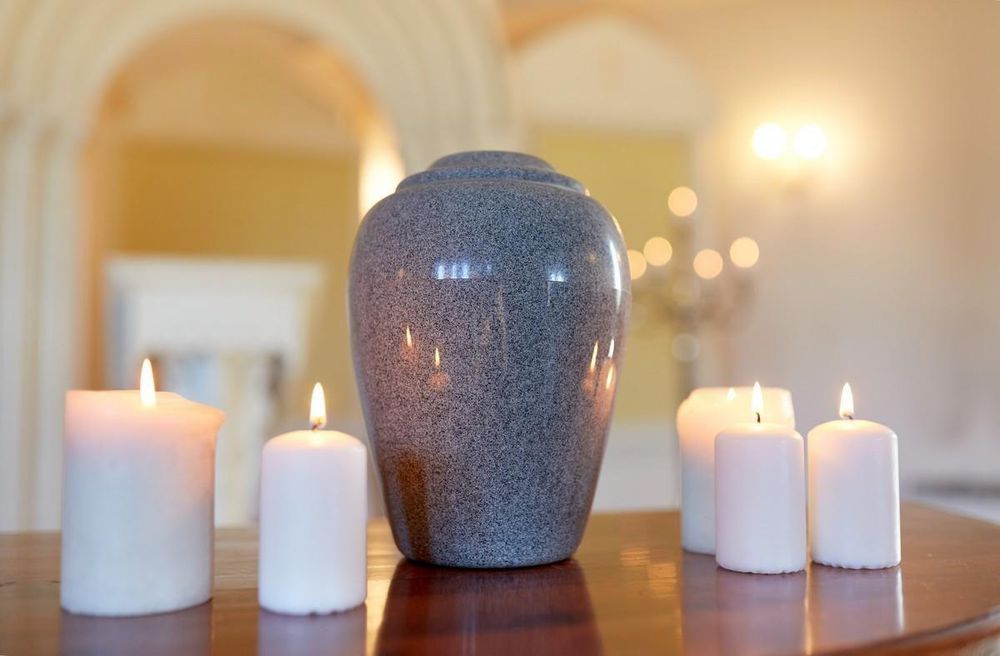
The Ashes Are More Than a Symbol - They Are Cremated Remains
Many people casually refer to cremated remains as “ashes,” but the material in a cremation urn is not simply fireplace-like ash.
During cremation, the body is exposed to extremely high temperatures. After the process, the remaining bone fragments are processed into a finer, granular material commonly referred to as cremated remains.
Depending on the crematory and the individual, the appearance can vary. The remains may be light gray, white, or contain darker pieces.
Understanding this can help remove some of the mystery surrounding what is inside an urn.
It is also perfectly normal to experience complicated feelings when you first see or handle the remains. Grief does not always follow the expectations we have in our minds.
You might cry.
You might feel nothing.
You might feel peaceful.
You might even laugh while remembering something funny about the person.
None of these reactions automatically means you are grieving incorrectly.
There Is No Universal Rule About Where the Urn Should Be Kept
One of the first questions families often face is surprisingly simple:
Where should we put the urn?
There is no universal answer.
Some people keep the urn in a quiet location at home, perhaps on a shelf alongside photographs, flowers, or other personal belongings.
Others choose a dedicated memorial space.
Some families place the urn in a cemetery, mausoleum, columbarium, or another memorial location.
The important consideration is that the location should feel appropriate and secure.
If you keep an urn at home, choose a stable area where it is unlikely to be knocked over. Consider children, pets, visitors, and environmental conditions when deciding where it should go.
You do not need to create an elaborate shrine unless that feels meaningful to you.
Sometimes a photograph and a small personal object are enough.
Take Your Time Before Making Permanent Decisions
Grief can make even simple decisions feel enormous.
After a death, families may suddenly face questions about what to do with the ashes:
Should they be buried?
Should they be scattered?
Should some be divided among relatives?
Should they remain in the urn permanently?
Should they be incorporated into jewelry or another memorial object?
There is no requirement to answer all of these questions immediately.
If there is no urgent legal or logistical reason to make a decision, it can be completely reasonable to wait.
In fact, waiting can sometimes make the decision easier.
The memorial idea that feels right two weeks after a death may feel completely different six months later.
You are allowed to give yourself time.
Check the Wishes of the Person Who Died
If your loved one left written instructions about their cremated remains, those wishes should be taken seriously.
They may have discussed their preferences with family members, included instructions in estate documents, or made arrangements with a funeral home or crematory.
Some people specifically request that their remains be scattered in a particular location.
Others may want their ashes buried alongside a spouse.
Some may prefer to remain in an urn at home.
If their wishes are known, they can provide an important starting point for the family.
However, families should also understand that the legal rules surrounding cremated remains vary by country, state, province, and locality. Before scattering or transporting remains, check the applicable local requirements.
Be Careful When Handling the Urn
An urn may look sturdy, but different containers have different designs and materials.
Some are made from metal, stone, ceramic, wood, biodegradable materials, or other substances.
If you need to move the urn, handle it carefully and support it securely.
If the container has an opening or closure mechanism, avoid unnecessarily opening it simply out of curiosity.
If you are transferring the remains to another container, memorial jewelry, or another keepsake, consider asking the funeral home or crematory for guidance.
This is particularly important if you are uncertain about the container, identification documentation, or how the remains were packaged.
Keep Identification Information With the Remains
If you received documentation from the crematory or funeral home, keep it somewhere safe.
Depending on the circumstances, documentation may include information about the deceased, the crematory, the cremation process, or identification of the remains.
If you move the ashes into another container, do not throw away important paperwork simply because the original packaging is no longer being used.
Families sometimes divide responsibilities among several relatives. In those situations, keeping clear records can prevent confusion later.
This becomes particularly important when multiple family members are involved in decisions about the remains.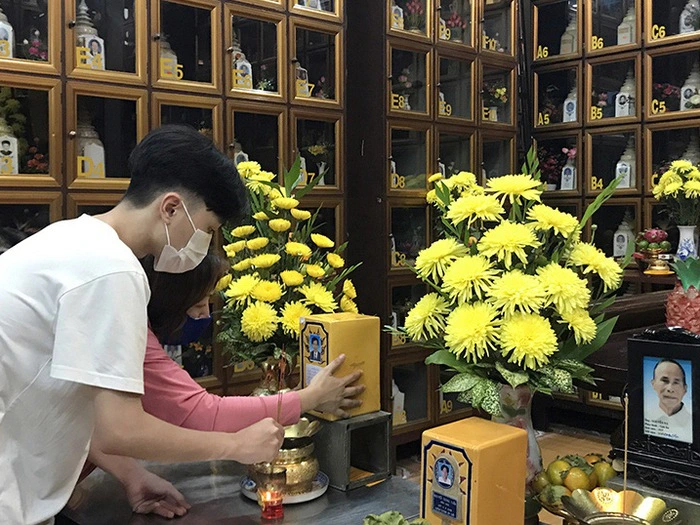
Dividing Cremated Remains Can Be an Emotional Decision
Some families choose to divide cremated remains among children, siblings, spouses, or other loved ones.
For example, one family member may keep the main urn while another receives a small amount for a memorial keepsake.
Whether this is appropriate depends on the family's wishes, the deceased person's preferences, and applicable rules.
It is also worth remembering that emotions can become complicated when dividing remains.
One person may see a small portion as deeply meaningful.
Another may feel uncomfortable with the idea.
There is no universal family tradition that everyone must follow.
Open communication can prevent a deeply personal decision from becoming a source of conflict.
Scattering Ashes Requires More Thought Than Many People Realize
Scattering ashes is often portrayed as a simple and peaceful memorial ritual.
But the location matters.
A beautiful place may have emotional significance, but that does not automatically mean scattering is legally permitted there.
Public parks, beaches, lakes, waterways, private property, and protected areas can have different rules.
Before scattering cremated remains, investigate the requirements for the specific location.
If it is private property, permission from the property owner may be necessary.
For public or protected land, additional restrictions may apply.
It is also worth thinking about environmental considerations, weather conditions, accessibility, and the emotional experience of the people attending.
A meaningful ceremony does not need to be complicated.
Sometimes a quiet gathering with a few words, photographs, or music can be more powerful than an elaborate event.
Traveling With Cremated Remains May Require Preparation
Another issue that can surprise families is transportation.
If you plan to travel with cremated remains—especially by air—check the requirements of the airline, airport, and destination before traveling.
Different carriers and jurisdictions can have different procedures.
The type of urn can also matter. Some containers may be difficult for security screening because certain materials can prevent the contents from being easily inspected.