Southwest Passenger, 22, Dies After Taking a 'New' Drug: The Tragic Story Behind a Mid-Flight Medical Emergency
A routine flight from Dallas to Los Angeles became the beginning of a heartbreaking tragedy when a 22-year-old passenger suddenly suffered a medical emergency thousands of feet above the ground. Other passengers and members of the flight crew could hardly have imagined that the young man would never recover. What initially appeared to be an unexpected health crisis aboard a commercial aircraft would later lead investigators to a troubling discovery involving two chemical compounds found in an increasingly popular herbal product.
The young passenger was identified as Rain McMillen Walmsey. He was just 22 years old, an age when most people are beginning to build their careers, explore the world, and make plans for the future. Instead, his journey ended in circumstances that left his family devastated and raised serious questions about products being sold as alternatives to traditional substances.
On August 7, 2025, Rain was traveling aboard a Southwest Airlines flight from Dallas to Los Angeles when he experienced a medical emergency during the journey. He became unresponsive, prompting an urgent response from those aboard the aircraft.
Passengers and crew members faced an alarming situation. A commercial airplane cannot simply pull over when someone becomes seriously ill. The flight crew must coordinate with medical professionals, assess the situation, and arrange emergency assistance at the destination or at an alternative airport when necessary.
CPR was administered, and local emergency responders were waiting when the aircraft arrived at Los Angeles International Airport.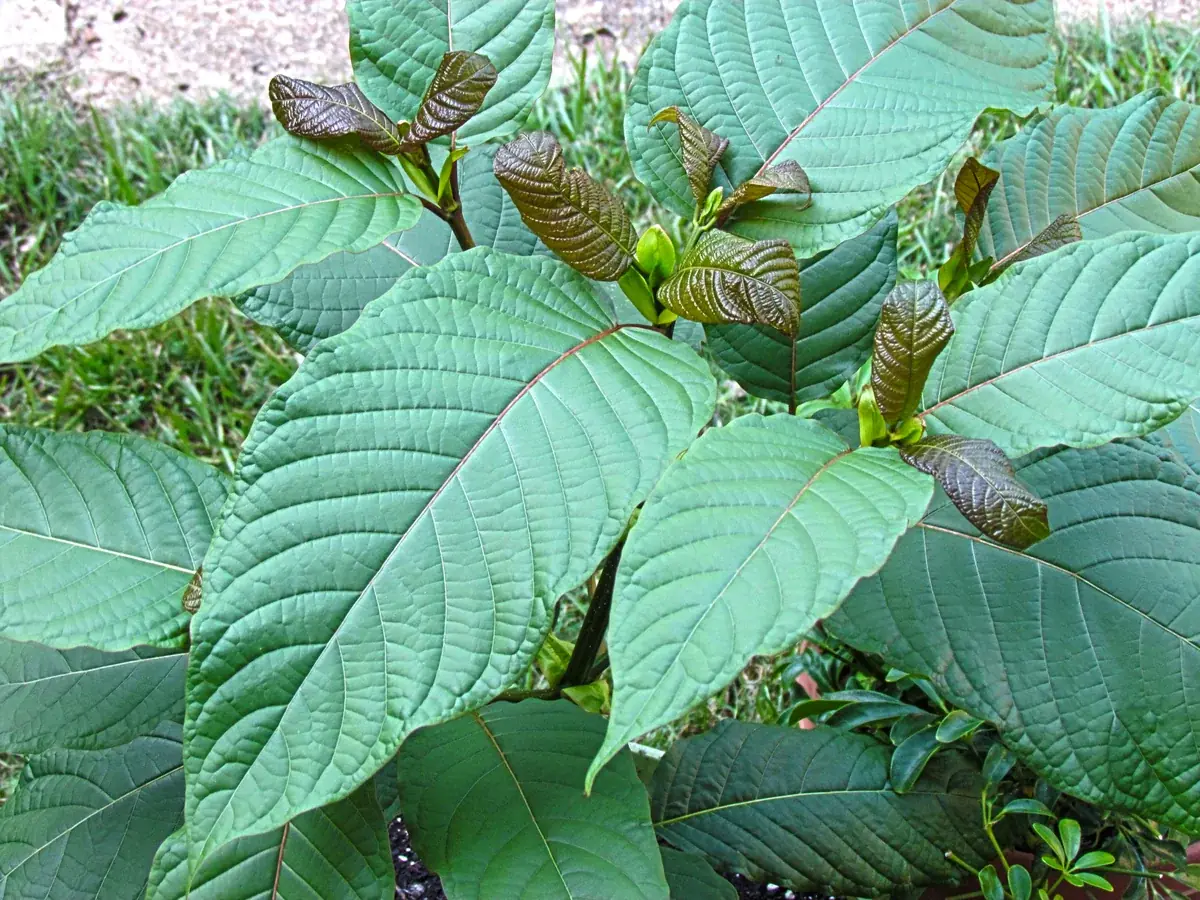
Despite those efforts, Rain did not survive.
The subsequent medical examiner's investigation identified the combined effects of two compounds: 7-hydroxymitragynine, commonly known as 7-OH, and mitragynine. Both are naturally occurring alkaloids associated with the kratom plant, but their effects on the human body can be very different from what consumers might expect from an ordinary herbal product.
His death has drawn attention to a growing public-health concern: the availability of concentrated kratom-related products, particularly those containing 7-OH.
To understand why this case matters, it is necessary to look beyond the shocking headline. What exactly is kratom? Why are some of its compounds attracting concern from medical professionals? How can an herbal product affect breathing and consciousness? And what should consumers know before purchasing something marketed as natural, relaxing, or energy-boosting?
The answers reveal a complicated issue involving chemistry, consumer awareness, product regulation, and the importance of recognizing potentially dangerous reactions.
The Kratom Plant: An Herbal Product With a Complicated History
To understand the substances identified in Rain's death, it is important to understand the plant from which they originate.
Kratom, scientifically known as Mitragyna speciosa, is a tropical tree native to Southeast Asia. It belongs to the coffee family, Rubiaceae, and grows in countries including Thailand, Malaysia, Indonesia, and other parts of the region.
Its leaves have been used traditionally for generations.
In some Southeast Asian communities, workers historically chewed fresh kratom leaves or prepared them as tea to help manage fatigue during physically demanding work. Traditional uses have also included attempts to relieve discomfort and improve alertness.
The plant contains numerous naturally occurring chemical compounds called alkaloids.
Two of the most frequently discussed are mitragynine and 7-hydroxymitragynine.
Although both come from the same plant, they are not identical substances. Their concentrations, biological activity, and potential effects on the human body differ considerably.
This distinction is particularly important because modern commercial products do not always resemble traditional preparations made from fresh or dried leaves.
How Kratom Became Popular Outside Southeast Asia
Kratom gradually attracted attention in Western countries as consumers became increasingly interested in herbal products and alternative approaches to managing discomfort.
Online communities began discussing its reported effects.
Some users described feeling more energetic after consuming small amounts. Others reported relaxation or reduced discomfort.
These personal experiences contributed to its growing popularity.
The expansion of online shopping also made kratom products easier to obtain.
Instead of buying dried leaves from specialty herbal suppliers, consumers could increasingly encounter kratom in different commercial forms, including:
-
Dried or powdered leaves.
-
Capsules.
-
Herbal teas.
-
Liquid extracts.
-
Concentrated botanical preparations.
-
Tablets and chewable products.
-
Gummies and flavored drink shots.
The variety of available products has made it more difficult for ordinary consumers to understand what they are purchasing.
A package labeled as an herbal supplement may contain a concentrated extract rather than a preparation resembling traditional kratom leaves.
Some products also contain added or enhanced alkaloids.
That difference can have important safety implications.
The U.S. Food and Drug Administration has specifically warned consumers about concentrated 7-OH products, including tablets, gummies, drink mixes, and liquid shots.
Why the Word "Natural" Can Be Misleading
One of the biggest misconceptions surrounding herbal products is that natural ingredients are automatically harmless.
This is not how pharmacology works.
Many substances found in nature can have powerful effects on the nervous system, heart, liver, and other organs.
The strength of a substance depends on its chemical composition, concentration, dose, route of exposure, and interactions with other substances.
Even familiar plants can contain compounds that become harmful under certain circumstances.
Kratom is a good example of why consumers should look beyond marketing language.
A traditional preparation made from plant leaves and a concentrated product containing enhanced levels of a particular alkaloid should not automatically be treated as equivalent.
The same principle applies to many herbal extracts.
Concentrating an active ingredient can significantly change its biological effects.
This is why understanding the actual ingredients of a product is more important than simply knowing that it originated from a plant.
7-Hydroxymitragynine: The Compound That Has Raised Major Safety Concerns
The compound at the center of this story is 7-hydroxymitragynine, commonly shortened to 7-OH.