Many people assume that if stroke-like symptoms disappear after a few minutes, there's nothing to worry about. Unfortunately, that assumption can be dangerous.
A mini stroke, medically known as a Transient Ischemic Attack (TIA), is often described as a warning sign that should never be ignored. Although the symptoms are temporary and usually resolve within minutes or hours, a TIA can signal a significantly increased risk of a future stroke - particularly within the first few days after the event.
While a TIA can occur at any age, the risk becomes more common as people grow older, especially after age 40, particularly in those with risk factors such as high blood pressure, diabetes, smoking, high cholesterol, or heart disease.
Understanding what a mini stroke is, recognizing its warning signs, and seeking immediate medical attention can make a life-saving difference.

What Is a Mini Stroke?
A Transient Ischemic Attack (TIA) occurs when blood flow to part of the brain is temporarily reduced or blocked.
Unlike a major ischemic stroke, the blockage resolves before permanent brain injury occurs.
Because blood flow returns quickly, symptoms often disappear completely.
However, the temporary nature of a TIA should never provide false reassurance.
A TIA is considered a medical emergency because it may be an early warning that a larger stroke could occur soon.
How Is a TIA Different From a Stroke?
Although the symptoms may look almost identical, there is one important difference.
Transient Ischemic Attack (TIA)
-
Temporary interruption of blood flow.
-
Symptoms usually last a few minutes to less than 24 hours.
-
No lasting brain injury is typically detected.
Stroke
-
Blood flow remains blocked or bleeding occurs in the brain.
-
Brain cells begin to die within minutes.
-
Permanent disability may result if treatment is delayed.
Even though a TIA usually leaves no permanent damage, the future risk of stroke is significantly increased, especially if the underlying cause is not identified and treated.
Why People Over 40 Should Pay Attention
Stroke risk increases with age.
After age 40, conditions that damage blood vessels become more common, including:
-
High blood pressure
-
Type 2 diabetes
-
High cholesterol
-
Obesity
-
Smoking-related vascular damage
-
Irregular heart rhythms such as atrial fibrillation
These conditions may develop gradually over many years without causing obvious symptoms.
For this reason, a TIA may be the first noticeable sign that blood vessels supplying the brain are already under strain.
Common Warning Signs of a Mini Stroke
Symptoms usually begin suddenly.
Even if they disappear after a few minutes, immediate medical evaluation is essential.
Possible warning signs include:
1. Sudden Weakness or Numbness
You may notice weakness affecting:
-
One side of the face
-
One arm
-
One leg
The symptoms usually affect only one side of the body.
2. Facial Drooping
Ask the person to smile.
If one side of the face droops or appears uneven, seek emergency medical care immediately.
3. Difficulty Speaking
Speech may become:
-
Slurred
-
Difficult to understand
-
Slow
-
Confused
Some people suddenly struggle to find simple words.
Others may have difficulty understanding conversations.
4. Sudden Vision Changes
A TIA may cause:
-
Blurred vision
-
Double vision
-
Temporary loss of vision in one eye
-
Difficulty seeing on one side
Vision changes should never be ignored.
5. Sudden Dizziness or Loss of Balance
Some people experience:
-
Difficulty walking
-
Poor coordination
-
Sudden dizziness
-
Unexplained falls
These symptoms become especially concerning when combined with weakness or speech changes.
6. Sudden Confusion
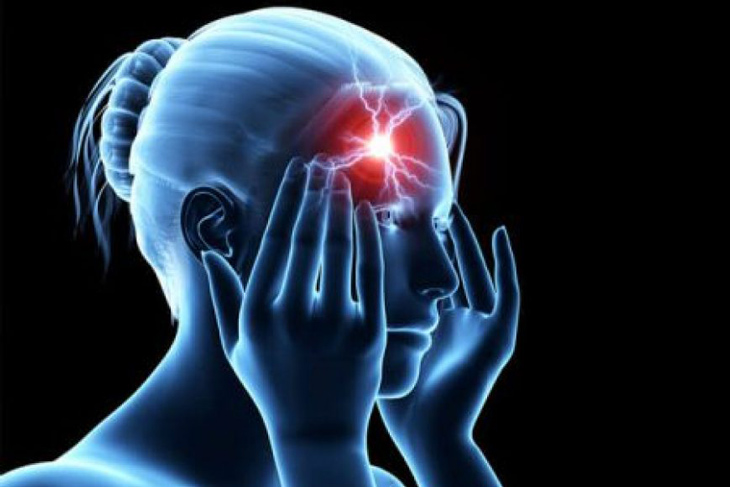
Confusion that develops rapidly may indicate that part of the brain isn't receiving enough blood.
This differs from gradual memory problems associated with aging.
Remember the FAST Warning Signs
Health professionals encourage everyone to remember the acronym FAST.
F – Face
Does one side of the face droop?
A – Arms
Can both arms be raised equally?
S – Speech
Is speech slurred or difficult to understand?
T – Time
If any of these signs are present, call emergency medical services immediately.
Every minute matters.
Why Do TIAs Happen?
A TIA usually occurs because blood flow is briefly interrupted.
Common causes include:
Blood Clots
Small clots may temporarily block an artery supplying the brain before dissolving or moving on.
Narrowed Arteries
Fatty deposits known as plaque can narrow arteries, reducing blood flow.
Heart Rhythm Disorders
Conditions such as atrial fibrillation increase the risk of clots forming in the heart and traveling to the brain.
Major Risk Factors
Some risk factors cannot be changed.
Others can often be managed.
High Blood Pressure
Hypertension is one of the strongest risk factors for both TIA and stroke.
Because it often causes no symptoms, regular blood pressure checks are essential.
Diabetes
Persistently elevated blood glucose damages blood vessels over time.
Good diabetes management helps reduce stroke risk.
High Cholesterol
Excess LDL cholesterol contributes to plaque formation inside arteries.
Healthy cholesterol management supports good blood flow.
Smoking
Smoking damages blood vessels and greatly increases the likelihood of clot formation.
Quitting smoking is one of the most effective ways to lower stroke risk.
Physical Inactivity
Regular movement supports healthy blood pressure, cholesterol, and blood sugar.
Even moderate exercise provides meaningful cardiovascular benefits.
Obesity
Maintaining a healthy body weight helps reduce several stroke risk factors simultaneously.
What Happens After a TIA?
Doctors often recommend additional testing to identify the cause.
This may include:
-
Blood pressure measurement
-
Blood tests
-
Electrocardiogram (ECG)
-
Brain imaging
-
Ultrasound of the neck arteries
-
Heart rhythm monitoring
Finding the underlying cause allows treatment to reduce the risk of future stroke.
Treatment Depends on the Cause
Your healthcare provider may recommend:
-
Blood-thinning or antiplatelet medications (when appropriate)
-
Blood pressure treatment
-
Cholesterol-lowering medications
-
Diabetes management
-
Smoking cessation support
-
Lifestyle modifications
Some people with severe narrowing of the carotid arteries may require specialized procedures.
Treatment is individualized based on the underlying cause and overall health.
7 Healthy Habits That Help Lower Stroke Risk
Although no lifestyle can eliminate stroke risk completely, healthy habits can make a significant difference.
1. Monitor Your Blood Pressure
Know your numbers and follow your treatment plan if hypertension is present.
2. Eat a Heart-Healthy Diet
Choose:
-
Vegetables
-
Fruits
-
Whole grains
-
Beans
-
Fish
-
Healthy fats
-
Lean proteins
Limit foods high in sodium, added sugars, and saturated fats.
3. Stay Physically Active
Aim for at least 150 minutes of moderate-intensity exercise each week, unless your healthcare provider recommends otherwise.
4. Stop Smoking
Quitting smoking benefits blood vessels almost immediately and continues reducing cardiovascular risk over time.
5. Manage Diabetes Carefully
Good blood glucose control helps protect blood vessels throughout the body.
6. Maintain Healthy Cholesterol Levels
Lifestyle changes—and medications when prescribed—help reduce plaque buildup in arteries.
7. Get Regular Medical Checkups
Many stroke risk factors develop silently.
Routine healthcare visits allow early detection and treatment.
Common Myths About Mini Strokes
Myth: If symptoms disappear, everything is fine.
False.
Symptoms may disappear because blood flow has temporarily returned, but the risk of a future stroke remains elevated.
Myth: Only older adults have TIAs.
False.
Although risk increases with age, TIAs can occur in younger adults, especially in the presence of risk factors.
Myth: A TIA causes permanent brain damage.
By definition, a TIA does not typically leave permanent brain injury.
However, it is an important warning that should prompt urgent evaluation.
Myth: You can wait until tomorrow to see your doctor.
False.
A TIA requires immediate medical assessment, even if symptoms have completely resolved.
When Should You Seek Emergency Care?
Call emergency medical services immediately if you or someone else experiences:
-
Sudden weakness or numbness on one side of the body
-
Facial drooping
-
Slurred speech
-
Difficulty understanding language
-
Sudden vision loss
-
Loss of balance
-
Severe dizziness
-
Sudden confusion
Do not wait to see if symptoms improve.
Early evaluation allows healthcare professionals to identify the cause and begin treatment that may reduce the risk of a future stroke.
The Bottom Line
A Transient Ischemic Attack (TIA), or mini stroke, is one of the body's most important warning signs that a future stroke may occur. Even though symptoms often disappear within minutes or hours, they should never be ignored.
Adults over 40, particularly those with high blood pressure, diabetes, high cholesterol, smoking history, obesity, or heart disease, should be especially aware of the warning signs.
Recognizing symptoms early, remembering the FAST acronym, seeking immediate medical attention, and addressing underlying risk factors can significantly reduce the likelihood of a future stroke.
Your brain depends on a healthy blood supply every second of every day.
If it sends you a warning, listen carefully and act quickly.