You likely have read about full-blown strokes, but did you know that mini strokes can happen, too, and are actually quite common? The problem is that they can go unnoticed, preventing the victim from getting the medical attention that they need. Not only that, but they are also at an even higher risk for a full-blown stroke, but no one knows this. For this reason, it is important to understand the signs of mini stroke, so that the person can get the help they need as quickly as possible.
What is a Mini Stroke?
A mini stroke, medically known as a transient ischemic attack (TIA), is a temporary disruption in blood flow to the brain. Unlike a full-blown ischemic stroke, a mini stroke typically lasts for a shorter amount of time. This can be from just a few minutes to up to 24 hours. Despite being temporary, mini strokes are important to recognize. They still do damage to the brain and can be a warning sign of an impending major stroke.
The Signs of Mini Stroke
The signs of mini strokes are similar to full strokes, though the damage they do is not usually permanent. Immediate medical attention is still crucial, however, to prevent further strokes and long-term complications. Mini stroke symptoms can be slightly more subtle than major strokes. It is important to be hyper-aware of the signs in order to get medical attention required. The signs are as follows:
1. Weakness or Numbness

A sudden onset of weakness or numbness in the face, arms, or legs is one of the primary signs of mini stroke. This weakness or numbness often only affects one side of the body. It can last for a few minutes or up to 24 hours. The key here is that it is a symptom that seems to come on quite suddenly. One minute everything is fine, and the next the leg is weak and it is hard to walk, or it is challenging to lift the arm, etc.
2. Difficulty Understanding or Speaking

Confusion is not ‘just a part of getting older’. If an elderly person is having difficulty understanding what others are saying or speaking themselves, it could be a sign of a mini stroke. This could manifest as slurred speech or as an inability to articulate words clearly. Again, the changes are often quite sudden. Caregivers should pay close attention to any seemingly out-of-the-blue changes in the individuals speech patterns.
3. Sudden Vision Changes

Loss of vision is an unfortunate part of aging for many people. That being said, these changes in vision are usually gradual and happen slowly over time. In the case of abrupt onset of blindness or vision changes in either one or both eyes, this could be a sign of a mini stroke. With mini strokes, these vision changes usually occur suddenly and may last for a few minutes. Any unexplained visual disturbances should prompt immediate medical attention.
4. Dizziness and Coordination Problems

Many elderly individuals, unfortunately, lack stability and coordination. While sometimes it is due to medical conditions or other external events, often it can be simply attributed to a lack of activity and exercise throughout their lives. That being said, a sudden onset of dizziness, balance issues, or coordination problems should not simply be chalked up to old age. These symptoms should be evaluated by a healthcare professional to determine if it is a mini stroke or something else.
5. Confusion
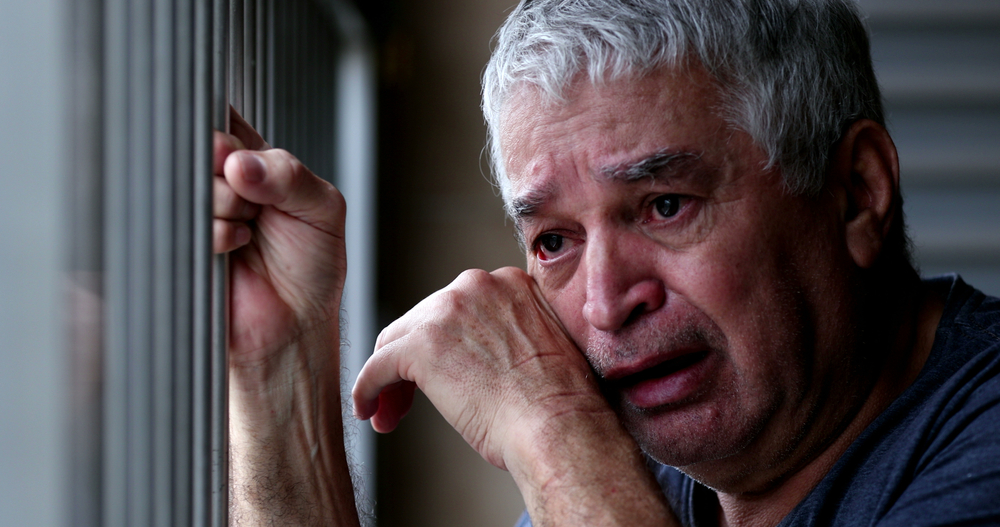
Beyond confusion with speech, confusion due to mini stroke can set it in other settings, as well. A sudden onset of disorientation, or difficulty in understanding surroundings, should be taken seriously. This could be a sign of a mini stroke or other health conditions, and regardless of which requires immediate medical assessment.
6. Unexplained Headache

Sudden, severe headaches should never be ignored. Particularly in the elderly, they could be a sign of a mini stroke. While there could be other explanations for these headaches, such as migraines or tension headaches, when they come on when this person never had them before, this is usually not a good sign. These headaches could also be accompanied by other symptoms such as vision changes, confusion, or weakness, again signaling a potential mini stroke.
7. Difficulty Swallowing

Finally, a little-known symptom of a mini stroke is difficulty swallowing. This is also known as dysphagia. This symptom is often overlooked or attributed to other causes, but when experienced suddenly and in combination with other signs such as weakness or numbness, it could be a mini stroke. Any unexpected issues with swallowing should be promptly assessed by a healthcare professional to rule out stroke and any other serious conditions.
The Bottom Line

Recognizing these additional signs of mini strokes in the elderly is crucial for early detection and intervention. Prompt medical attention in response to these symptoms can significantly improve outcomes and reduce the risk of a major stroke. Caregivers and loved ones should remain vigilant and proactive in monitoring elderly individuals for these signs, as timely action can make a significant difference in their health and well-being.