A Month Before a Stro.ke, Your Body May Send Warning Signals: 10 Signs You Should Never Ignore
A stroke often strikes suddenly, but in many cases the body begins sending warning signals days or even weeks beforehand. These early symptoms may appear mild or temporary, causing many people to ignore them.
However, health experts say that recognizing these signs early could help prevent a serious stroke or reduce long-term damage. In some cases, these symptoms are caused by a transient ischemic attack (TIA), often called a “mini-stroke,” which occurs when blood flow to part of the brain is briefly interrupted.
Although the symptoms may disappear quickly, they should never be ignored because they can indicate a higher risk of a full stroke in the near future.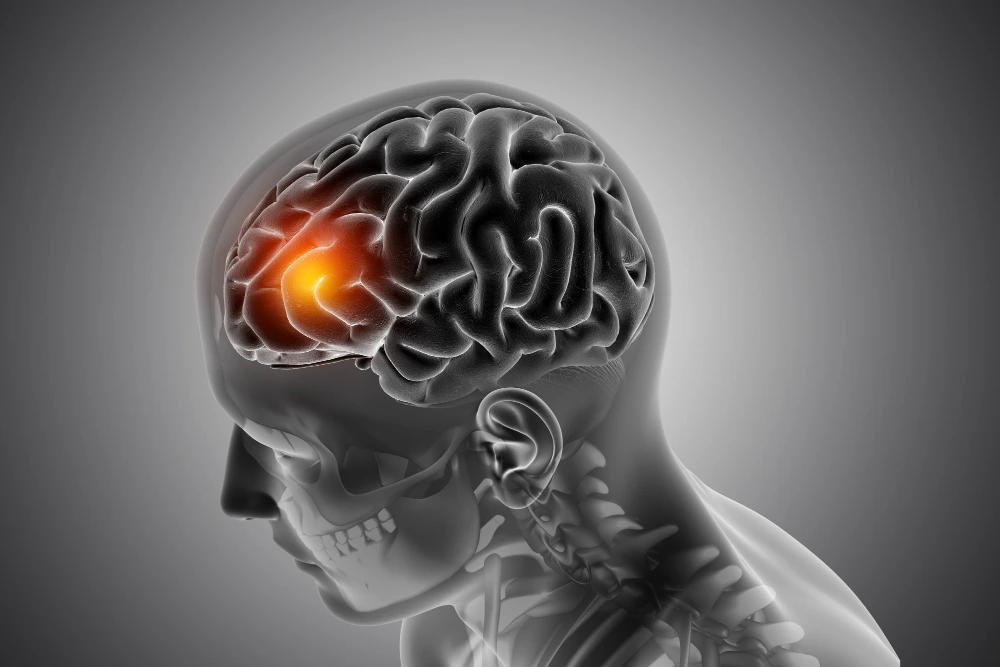
Below are 10 possible warning signs that may appear up to a month before a stroke.
1. Persistent or Unusual Headaches
Frequent headaches that appear suddenly or feel different from normal headaches may signal changes in blood flow to the brain. Persistent headaches that do not respond to common painkillers should be evaluated by a doctor.
2. Sudden Vision Problems
Blurred vision, double vision, or temporary loss of vision in one or both eyes can occur when the brain’s visual centers are affected. Even brief episodes may indicate a warning stroke.
3. Numbness or Weakness on One Side of the Body
One of the most common stroke warning signs is numbness or weakness in the face, arm, or leg—especially on one side of the body. This happens when blood flow to one side of the brain becomes restricted.

4. Difficulty Speaking or Understanding Words
Slurred speech, trouble finding words, or difficulty understanding conversations may indicate that areas of the brain responsible for language are not receiving enough oxygen.
5. Dizziness or Loss of Balance
Sudden dizziness, trouble walking, or loss of coordination may signal a problem with blood circulation to parts of the brain that control balance and movement.

6. Memory Problems or Confusion
Some people experience short-term memory issues or confusion before a stroke. These symptoms may occur because the brain is not receiving enough oxygen.
7. Extreme Fatigue
Feeling unusually tired or exhausted without a clear reason may also be an early warning sign. Some patients report severe fatigue weeks before a stroke occurs.
8. Mood or Behavior Changes
Sudden anxiety, irritability, or emotional instability may appear when brain function is affected by reduced blood flow. These subtle changes are often overlooked.
9. Shortness of Breath
Unexpected breathing difficulty or chest discomfort may occur in some individuals before a stroke, especially when circulation is compromised.
10. Temporary “Mini-Stroke” Symptoms
A transient ischemic attack (TIA) may cause symptoms similar to a stroke—such as numbness, speech problems, or vision issues—but they usually disappear within minutes or hours. Even if symptoms go away, immediate medical attention is essential.
Why Early Detection Matters
Doctors emphasize that a stroke is a medical emergency. Recognizing symptoms quickly can dramatically improve survival and recovery.
Experts recommend remembering the F.A.S.T. rule to identify stroke symptoms:
-
F – Face drooping
-
A – Arm weakness
-
S – Speech difficulty
-
T – Time to seek emergency help
If any of these signs appear suddenly, immediate medical care is critical.
The Bottom Line
Many strokes occur without warning, but in some cases the body gives subtle signals weeks in advance. Persistent headaches, vision problems, weakness, dizziness, or speech difficulties should never be ignored.
Paying attention to these early symptoms and seeking medical help promptly could make the difference between recovery and life-threatening complications.