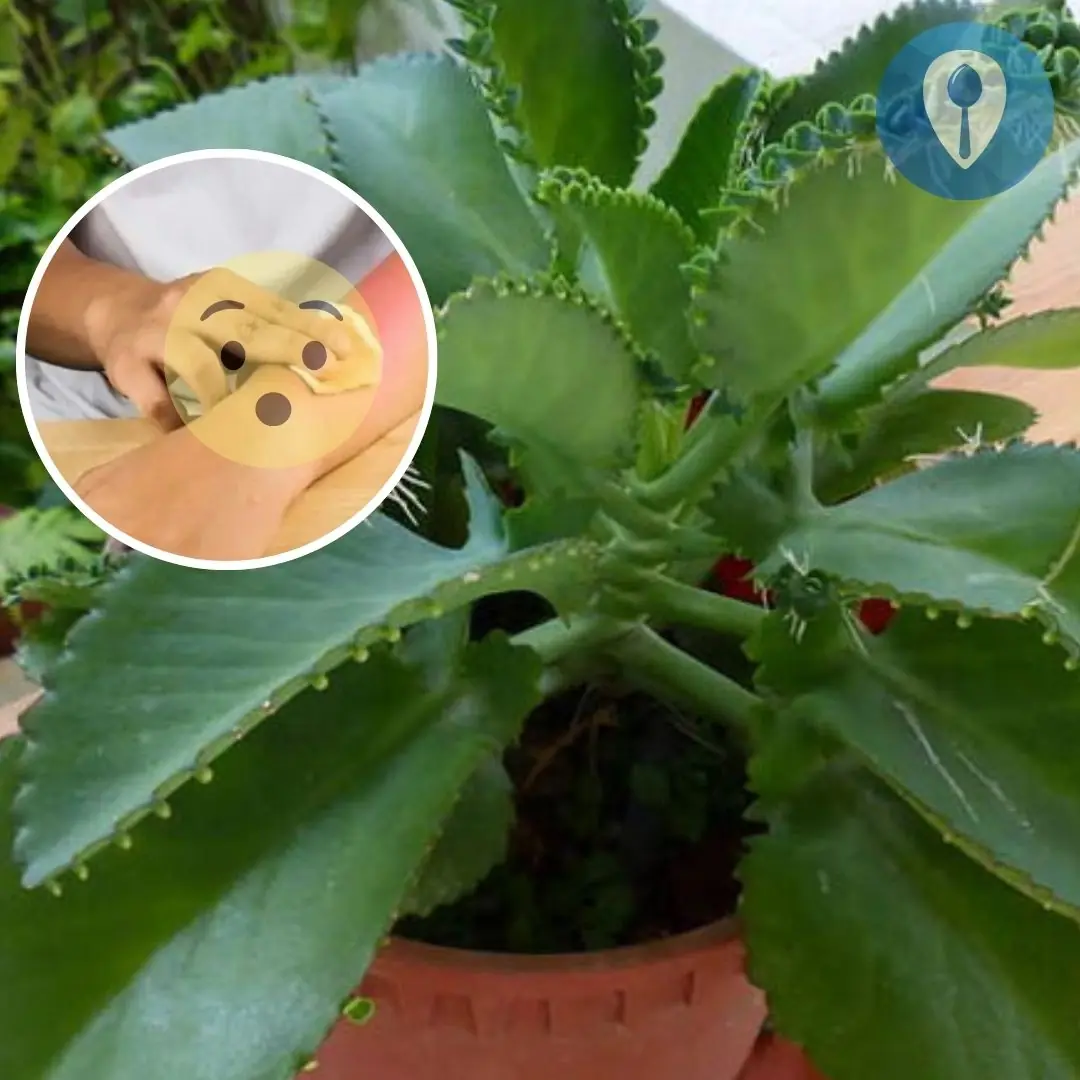
🌿✨ Kalanchoe: Nature’s Wonder Through a Scientific Lens
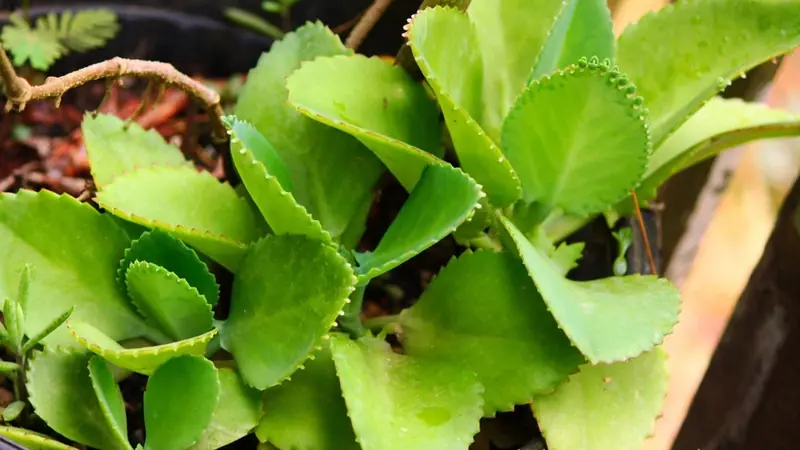
Kalanchoe pinnata (and related species) is a resilient succulent plant belonging to the Crassulaceae family. Originally native to Madagascar, this plant has adapted remarkably well and is now cultivated across tropical and subtropical regions worldwide. Its thick, fleshy leaves serve as natural water reservoirs, allowing it to thrive in dry, arid conditions. Beyond its beauty as an ornamental houseplant, Kalanchoe has drawn attention for centuries due to its perceived medicinal value, particularly in traditional healing systems such as Ayurveda in India, traditional Chinese medicine, African folk practices, and South American herbal remedies.
For generations, communities have relied on Kalanchoe leaves for a variety of home treatments. In folk medicine, crushed leaves were applied directly to burns, small wounds, and skin ulcers to accelerate healing. Fresh leaf juice was sometimes consumed in small amounts to ease coughs, sore throats, and minor respiratory issues. Healers also valued its ability to calm inflammation and swelling, making it a go-to remedy for skin irritations and localized pain relief. These traditional applications highlight the deep cultural significance of the plant as a “living pharmacy” accessible to rural populations.
🔬 Modern scientific research has begun to shed light on why Kalanchoe may have earned such a reputation. The plant contains a rich variety of bioactive compounds, including flavonoids like quercetin and kaempferol, bufadienolides, and powerful antioxidants. Early laboratory and animal studies suggest several noteworthy biological effects:
-
Anti-inflammatory and antimicrobial properties: Extracts from Kalanchoe have shown the ability to inhibit certain bacteria and reduce inflammatory responses, supporting its traditional use for skin and throat infections.
-
Wound-healing potential: Studies indicate that compounds in the plant can promote tissue regeneration, lending credibility to its historical use on burns and cuts.
-
Anticancer activity in lab studies: Some bufadienolides have demonstrated cytotoxic effects against cancer cell lines in vitro. While intriguing, these results are preliminary, and to date there is no solid clinical evidence in humans confirming that Kalanchoe can treat or cure cancer.
⚠️ Important precautions: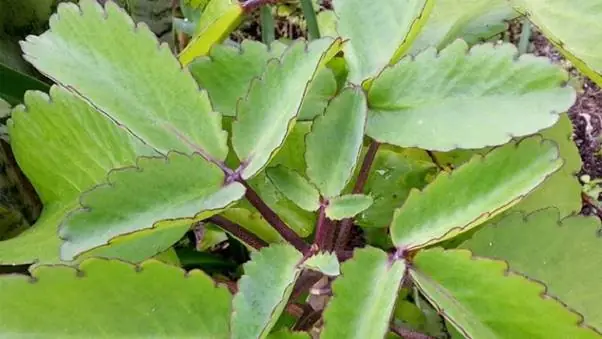
While Kalanchoe is a fascinating plant, it is not without risks. Topical use—such as applying crushed leaves or fresh juice to the skin—is generally safe for most people. However, internal use requires caution. The bufadienolides that contribute to its biological activity can also be toxic in higher doses, particularly affecting the heart and liver. For this reason, consuming Kalanchoe leaves or extracts without medical supervision is strongly discouraged.
Certain groups should avoid internal use altogether: pregnant and breastfeeding women, children, and individuals with pre-existing heart, liver, or kidney conditions. Additionally, Kalanchoe is known to be toxic to pets such as cats and dogs, as well as livestock, if ingested.
🌍 In summary:
Kalanchoe is much more than just a decorative succulent—it is a plant with a long history of use in traditional medicine and growing interest in the scientific community. Current research supports some of its traditional applications, particularly in reducing inflammation and aiding wound healing. However, it should be regarded as a supportive herbal remedy rather than a miracle cure. Safe topical applications remain the most practical use, while oral consumption should only occur under professional medical guidance. By respecting both its potential and its risks, Kalanchoe can continue to inspire curiosity as a bridge between ancient wisdom and modern science.