For centuries, spices and herbs have been used not only to add flavor to food but also as part of traditional approaches to health.
One of the most familiar examples is cinnamon.
This fragrant spice is inexpensive, widely available, and easy to incorporate into everyday meals and drinks. It has also attracted scientific interest because it contains plant compounds that may influence glucose metabolism, inflammation, and other biological processes.
That has led to plenty of dramatic claims online, including suggestions that cinnamon can “cure” diabetes, eliminate high blood pressure, or solve digestive problems.
The reality is more nuanced.
Cinnamon may have some useful health properties, but it is not a cure for chronic disease and should never replace prescribed treatment.
So what does the evidence actually suggest?
What Makes Cinnamon Interesting?
Cinnamon comes from the bark of trees belonging to the Cinnamomum genus.
Two common varieties are:
-
Ceylon cinnamon, sometimes called “true cinnamon”
-
Cassia cinnamon, which is more commonly sold in many supermarkets
Cinnamon contains numerous plant compounds, including polyphenols and aromatic compounds that contribute to its characteristic flavor and aroma.
Researchers have investigated cinnamon for potential effects involving:
-
Blood glucose regulation
-
Insulin sensitivity
-
Oxidative stress
-
Inflammation
-
Blood lipids
-
Blood pressure
-
Digestive function
However, laboratory findings and small clinical studies don't automatically prove that cinnamon prevents or treats disease.
That distinction is important.
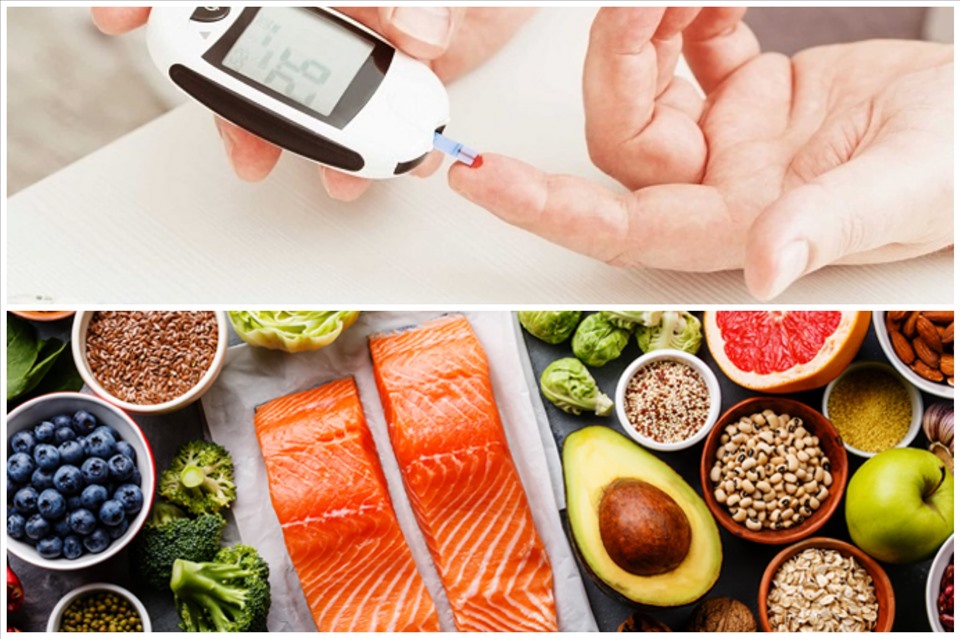
1. Cinnamon May Help Support Blood Sugar Control
Blood sugar is one of the reasons cinnamon has become so popular in natural-health discussions.
Some studies have found that cinnamon supplementation may produce a modest improvement in fasting blood glucose or insulin-related measures in certain people, particularly those with impaired glucose regulation or type 2 diabetes.
Researchers have proposed several possible mechanisms.
Certain compounds in cinnamon may influence insulin signaling and the way cells respond to insulin. Cinnamon may also affect carbohydrate digestion and glucose metabolism.
But the evidence is inconsistent.
Not every study has found a meaningful benefit, and differences in cinnamon species, dosage, preparation, study duration, and participant characteristics make the research difficult to interpret.
So it would be misleading to say:
“Cinnamon cures diabetes.”
It doesn't.
Diabetes is a chronic metabolic condition that requires appropriate monitoring and treatment.
For some people, lifestyle changes and medications are essential for preventing complications involving the heart, kidneys, eyes, nerves, and blood vessels.
Cinnamon can be considered a food or spice that may complement a healthy eating pattern, not a replacement for diabetes treatment.
Why Blood Sugar Spikes Matter
After eating carbohydrate-containing foods, glucose enters the bloodstream.
Insulin helps move glucose from the blood into cells where it can be used or stored.
When insulin isn't produced adequately or the body becomes resistant to its effects, blood glucose can remain elevated.
Over time, persistently high blood sugar can damage blood vessels and nerves.
This is why managing diabetes isn't simply about avoiding one “bad” food.
It involves the overall pattern of:
-
Food choices
-
Physical activity
-
Body weight when relevant
-
Sleep
-
Medication when prescribed
-
Blood glucose monitoring when recommended
Adding cinnamon to oatmeal doesn't cancel out a highly processed, sugar-heavy diet.
The entire dietary pattern matters far more.
2. It May Have a Modest Effect on Blood Pressure
Cinnamon has also been investigated for its possible relationship with blood pressure.
Some research suggests that cinnamon supplementation may produce small reductions in blood pressure in certain populations.
The proposed mechanisms include effects on vascular function, inflammation, and insulin sensitivity.
However, the evidence isn't strong enough to recommend cinnamon as a stand-alone treatment for hypertension.
High blood pressure is often called a silent condition because people can have significantly elevated readings without feeling anything unusual.
Untreated hypertension can increase the risk of:
-
Heart disease
-
Stroke
-
Kidney disease
-
Heart failure
-
Other cardiovascular complications
That's why checking your blood pressure is much more reliable than trying to determine whether it is high based on symptoms.
If you have hypertension, don't stop prescribed medication because you've started consuming cinnamon.
Instead, discuss dietary changes with your healthcare professional and continue monitoring your blood pressure.
3. Cinnamon May Support Digestive Health
Cinnamon has traditionally been used in various cultures as a digestive spice.
Some people consume it in tea or after meals because they believe it helps with bloating, gas, or general digestive discomfort.
There is biological interest in cinnamon's antimicrobial and anti-inflammatory properties, but evidence that cinnamon reliably treats common digestive disorders in humans remains limited.
It should therefore not be presented as a proven treatment for:
-
Gastritis
-
Ulcers
-
Irritable bowel syndrome
-
Inflammatory bowel disease
-
Chronic constipation
-
Gastroesophageal reflux disease
Digestive symptoms can have many different causes.
Persistent abdominal pain, unexplained weight loss, vomiting, blood in the stool, difficulty swallowing, or ongoing changes in bowel habits deserve medical evaluation rather than self-treatment with herbs.

4. Cinnamon Contains Antioxidant Compounds
Another reason cinnamon attracts attention is its high concentration of various plant compounds with antioxidant activity.
Antioxidants help protect cells from oxidative damage caused by reactive molecules.
But there's an important distinction between antioxidant activity in a laboratory and proven disease prevention in humans.
A food containing antioxidants isn't automatically a medicine.
Your body already has sophisticated antioxidant systems, and the best way to support overall health is generally through a varied diet containing vegetables, fruits, whole grains, legumes, nuts, seeds, and other nutrient-rich foods.
Cinnamon can be one small part of that dietary pattern.
5. Cinnamon May Help Make Healthy Foods More Appealing
This is a benefit that doesn't receive enough attention.
Cinnamon can add sweetness and complexity without requiring much added sugar.
For example, you can sprinkle it over:
-
Oatmeal
-
Plain yogurt
-
Apples
-
Pears
-
Whole-grain cereal
-
Unsweetened smoothies
-
Roasted vegetables
-
Homemade drinks
If cinnamon helps you enjoy a bowl of unsweetened oatmeal instead of a heavily sugar-coated breakfast cereal, that substitution may be more meaningful than any direct effect cinnamon itself has on blood sugar.
In other words, how you use the spice matters.
What About Cinnamon Tea?
Cinnamon tea is a popular way to consume the spice.
You can make it by steeping a cinnamon stick in hot water.
Some people add ginger, lemon, or other ingredients.
Cinnamon tea can be a pleasant, low-calorie beverage when it isn't loaded with sugar or syrup.
But don't assume that turning cinnamon into tea creates a powerful medicinal drink.
The amount of active compounds extracted into water can vary, and there is no universally established “cinnamon tea dose” for treating diabetes, hypertension, or digestive disease.
Think of it as a beverage rather than a substitute for medical therapy.
Cassia vs. Ceylon Cinnamon: Why the Difference Matters
Not all cinnamon is chemically identical.
Cassia cinnamon naturally contains more coumarin, a compound that can be harmful to the liver when consumed in sufficiently high amounts over time.
Ceylon cinnamon generally contains much less coumarin.
For normal culinary use, this isn't usually a major concern for healthy people.
The concern becomes more relevant when someone consumes large amounts of cinnamon every day, particularly in concentrated supplement form.
If you use cinnamon frequently, check the product label when possible and consider choosing Ceylon cinnamon if you're concerned about long-term coumarin exposure.
People with liver disease or those taking medications that affect the liver should be especially cautious about high-dose supplements.
More Cinnamon Isn't Necessarily Better
This is one of the biggest problems with online natural-remedy advice.
A common assumption is:
If a small amount might help, a large amount must work even better.
That's not how biology works.
Higher doses can increase the risk of adverse effects without necessarily providing greater benefits.
Large amounts of cinnamon may cause:
-
Mouth irritation
-
Stomach discomfort
-
Allergic reactions
-
Liver problems in susceptible people
-
Medication interactions
Cinnamon supplements can also contain much higher amounts than you'd normally consume as a culinary spice.
That's why food and supplement use should not be treated as equivalent.
Be Careful If You Take Diabetes Medication
If you're taking medication to lower blood glucose, don't begin large amounts of cinnamon or cinnamon supplements without discussing it with your healthcare professional.
Although the blood-sugar effect of cinnamon appears modest and inconsistent, combining multiple glucose-lowering approaches can potentially contribute to blood sugar becoming too low in some circumstances.
Symptoms of hypoglycemia can include:
-
Shaking
-
Sweating
-
Hunger
-
Dizziness
-
Confusion
-
Weakness
-
Rapid heartbeat
People using insulin or certain diabetes medications should follow their prescribed monitoring and treatment plan.
Don't Replace Blood Pressure Medication With Cinnamon
The same principle applies to hypertension.
If your doctor has prescribed medication, cinnamon shouldn't be used as a replacement.
Blood pressure medications have been studied extensively in clinical trials and can substantially reduce cardiovascular risk in appropriate patients.
A teaspoon of cinnamon cannot substitute for evidence-based treatment.
Instead, think of cinnamon as one possible ingredient within a broader heart-healthy lifestyle.
A Healthy Way to Use Cinnamon
If you enjoy cinnamon, there are plenty of simple ways to incorporate it into your diet without turning it into a “miracle remedy.”
Breakfast
Add a small amount to oatmeal with berries and nuts.
Snack
Sprinkle it over sliced apples with plain yogurt.
Beverage
Use a cinnamon stick to flavor unsweetened tea.
Cooking
Add cinnamon to certain vegetable, grain, or bean dishes for additional flavor.
Dessert
Use cinnamon to enhance naturally sweet foods so you can reduce the amount of added sugar.
The goal is not to consume enormous quantities.
A little can go a long way for flavor.
What Cinnamon Cannot Do
Despite the exciting headlines that sometimes circulate online, cinnamon should not be considered a treatment that can:
-
Cure diabetes
-
Permanently lower high blood pressure
-
Reverse heart disease
-
Heal ulcers
-
Eliminate chronic digestive disorders
-
Replace prescribed medication
-
“Detox” the body
These claims go far beyond what current evidence supports.
A natural substance can have biologically active compounds and still be insufficient to treat a medical condition.
In fact, many prescription medications were originally developed by studying biologically active compounds from nature.
The fact that something comes from a plant doesn't make it automatically safe, effective, or appropriate for everyone.
When Digestive Symptoms Need Medical Attention
It's especially important not to use cinnamon or another home remedy to delay evaluation of serious symptoms.
Seek medical advice if you experience persistent:
-
Abdominal pain
-
Bloating
-
Heartburn
-
Nausea
-
Vomiting
-
Diarrhea
-
Constipation
-
Difficulty swallowing
-
Changes in bowel habits
Seek urgent medical attention for symptoms such as vomiting blood, black or bloody stools, severe abdominal pain, fainting, or signs of severe dehydration.
A digestive symptom that continues for weeks deserves an explanation—not simply another home remedy.
The Bigger Picture: Your Daily Habits Matter More
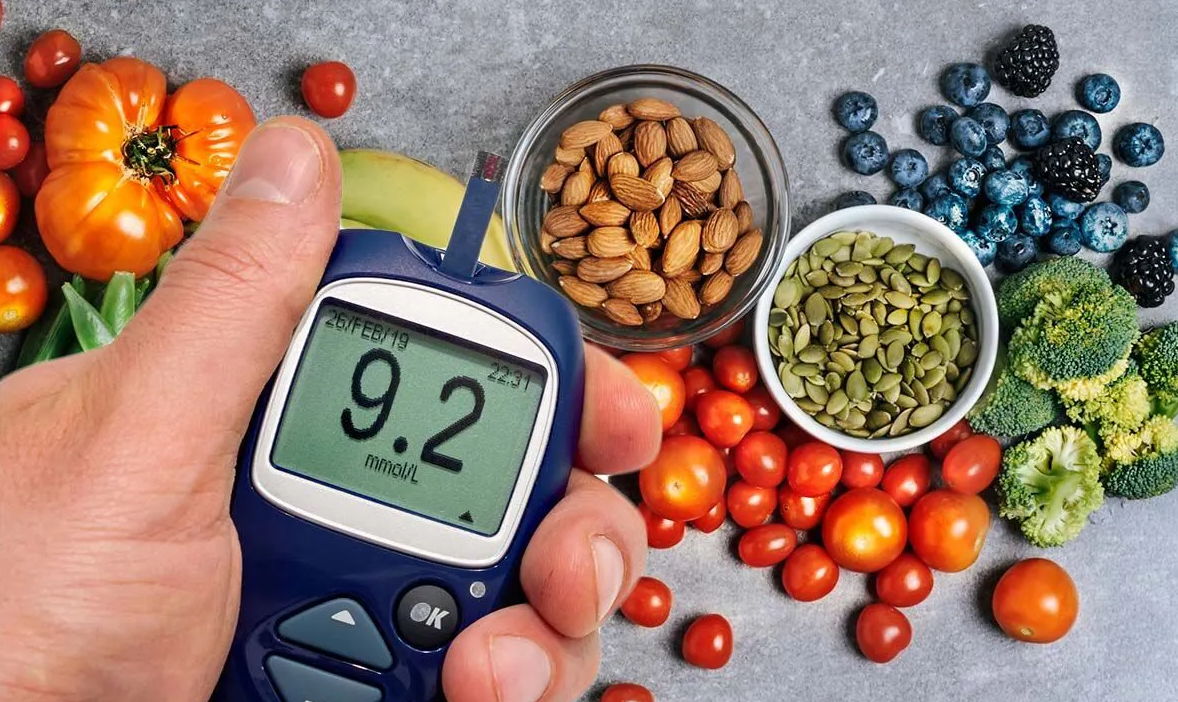
If your goal is better blood sugar, blood pressure, and digestive health, cinnamon should be a small part of the conversation.
Other habits generally have much stronger evidence behind them.
Eat more fiber-rich foods.
Choose vegetables and fruits regularly.
Include legumes and whole grains.
Choose healthier sources of fat.
Stay physically active.
Limit excessive alcohol.
Avoid tobacco.
Get adequate sleep.
Maintain a healthy weight when appropriate.
And monitor blood pressure and blood glucose when recommended.
These habits work together.
No single spice can replicate their combined effects.
Final Thoughts
Cinnamon is more than a flavorful kitchen spice.
Its plant compounds have been studied for possible effects on blood sugar regulation, blood pressure, inflammation, and digestion, and some research suggests modest benefits in certain circumstances.
But the evidence is not strong enough to call cinnamon a cure for diabetes, hypertension, or digestive disease.
The safest way to think about it is simple:
Use cinnamon as food, not as a replacement for medicine.
Add a little to oatmeal, fruit, yogurt, or unsweetened drinks if you enjoy it. Focus on a varied, nutrient-rich diet rather than consuming large quantities of any single ingredient.
And if you have diabetes, high blood pressure, persistent digestive symptoms, or another chronic condition, continue appropriate medical care.
Sometimes the most powerful “natural remedy” isn't a secret ingredient at all.
It's the combination of sensible nutrition, regular movement, good sleep, appropriate medical care, and small healthy choices repeated consistently over time.