What looked like an ordinary small spot on the chest turned out to be a shocking medical warning. A recent case reported by respiratory specialists reveals that a tiny mark—often dismissed as harmless—can be an early indicator of a potentially deadly condition inside the lungs.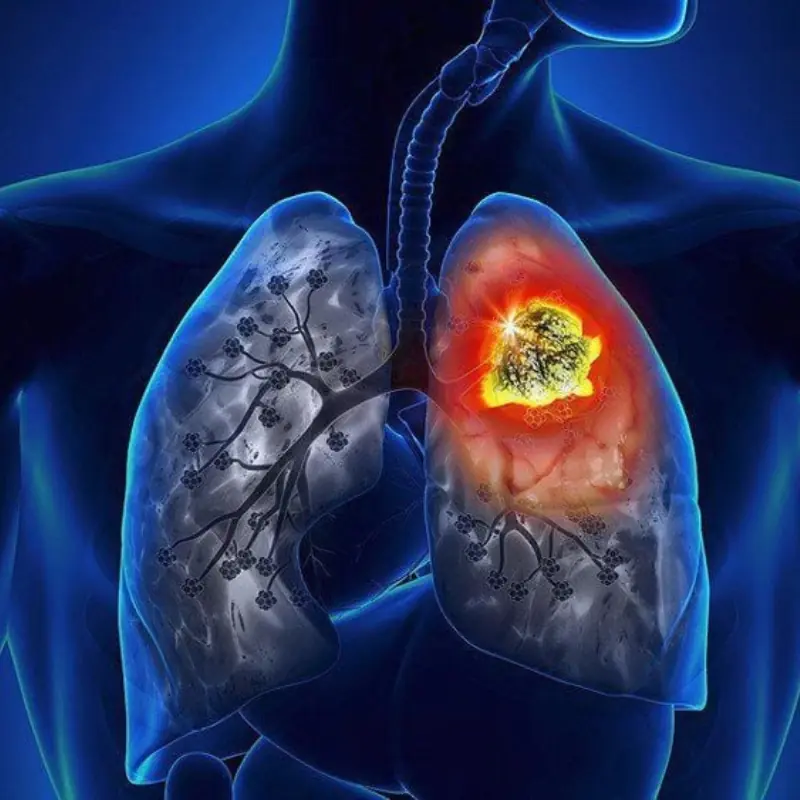
Doctors are now urging the public not to ignore unexplained spots, marks, or nodules on the chest area, especially when accompanied by subtle respiratory changes.
A Patient Ignored a Small Chest Spot — Until Symptoms Appeared
The patient, a 42-year-old office worker, first noticed a faint, pea-sized spot on her upper chest. It was neither painful nor itchy, so she assumed it was just a mild skin issue.
But weeks later, she began experiencing:
-
mild shortness of breath
-
chest tightness
-
fatigue
-
occasional dry cough
When she finally went to the hospital, the diagnosis stunned even her family.
The Hidden Threat: A Lung Nodule Behind the “Innocent” Spot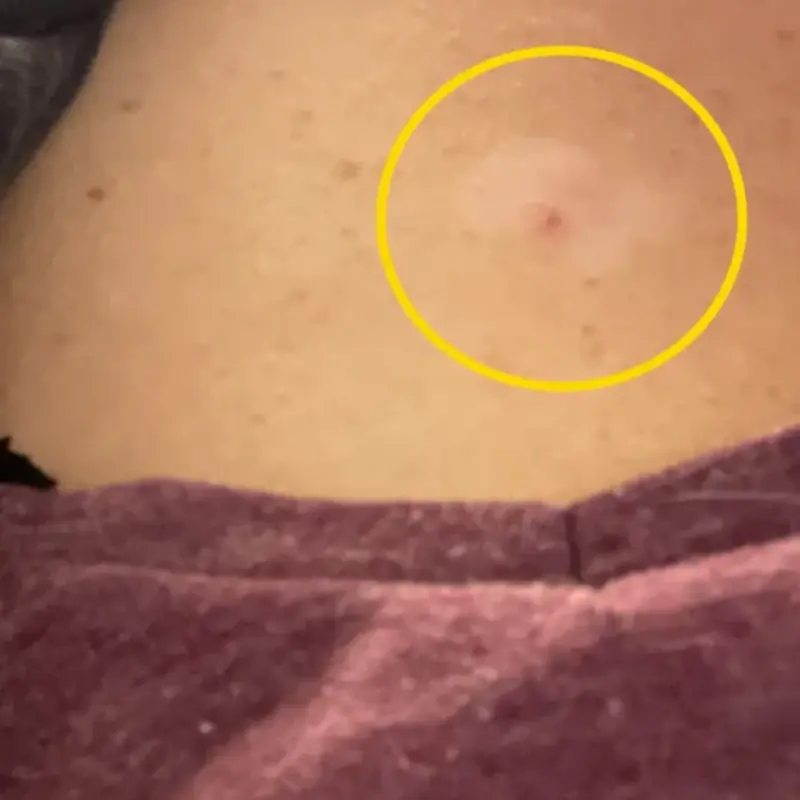
Doctors discovered that the skin spot corresponded to an underlying pulmonary nodule deep inside her lung. While many lung nodules are benign, some can be early signs of:
-
lung inflammation
-
chronic infection
-
early-stage lung cancer
In this case, the nodule showed signs of irregular growth — a classic red flag for lung malignancy.
“This is exactly why we call it a silent killer,” a pulmonologist explained. “The external spot was the only visible clue. Without it, the disease could have progressed unnoticed for months.”
Why Skin Marks Can Sometimes Signal Internal Disease
Medical experts emphasize that changes on the skin can reflect changes occurring internally. In some cases, the body forms surface discolorations or nodules when:
-
lymph nodes are inflamed
-
tumors push against surrounding tissues
-
inflammation spreads toward the chest wall
These symptoms are subtle enough that patients rarely suspect anything serious.
Early Detection Saves Lives
Lung diseases — including cancer, fibrosis, and chronic infections — often develop silently. Many patients only seek help when symptoms become severe.
Doctors recommend seeking medical evaluation if you notice:
-
unusual spots on the chest
-
persistent cough lasting more than 2–3 weeks
-
unexplained breathlessness
-
chest discomfort
-
fatigue without a clear cause
Early intervention greatly increases treatment success.
The Takeaway
A tiny spot on the chest might seem insignificant, but for some people, it may be the body’s early warning sign of a far more serious condition.
Healthcare professionals urge the public: don’t ignore small changes — they may be the first clue to a silent threat inside the lungs.