Finding a snake inside your home can be an unsettling experience. You may wonder how it got there, why it chose your house, and whether its presence means there are more snakes nearby. While the sight of a snake indoors can feel mysterious, there is usually a practical explanation.
Snakes do not typically enter houses because they are looking for people. More often, they are following food, shelter, water, or a comfortable temperature. A home can accidentally provide all four.
Understanding what attracts snakes can help you respond calmly, reduce the chances of another encounter, and make your property less appealing to them.
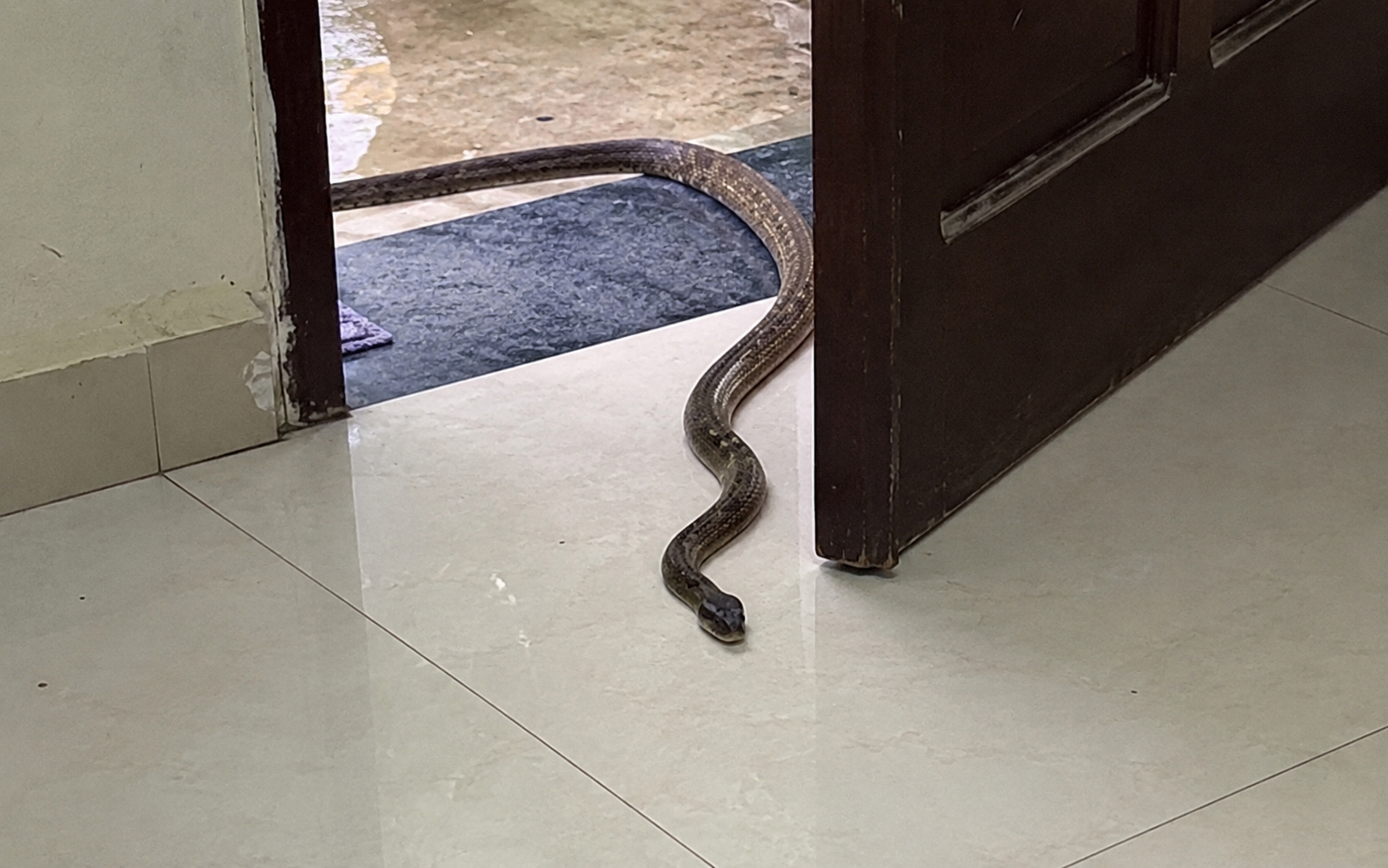
1. Food May Have Brought the Snake Inside
One of the most common reasons a snake enters an area around a home is the availability of prey.
Many snakes feed on animals such as:
-
Mice and rats
-
Small birds
-
Frogs and toads
-
Lizards
-
Insects
-
Other small animals
If your property has a rodent problem, a snake may eventually notice the abundance of prey.
This doesn't necessarily mean your house is dirty. Even a well-maintained home can attract mice or other small animals if food, water, nesting material, or hiding places are available.
A snake may enter through a small opening while following prey or searching for another meal.
If you repeatedly see snakes near your home, look for signs of rodents as well.
Droppings, gnaw marks, food packaging damage, scratching sounds, or nests in quiet areas may indicate that rodents are present.
2. Snakes Can Enter Through Surprisingly Small Gaps
Many homeowners are shocked when they discover a snake indoors because they cannot imagine how it got inside.
But snakes are remarkably flexible animals.
They do not have limbs or a rigid shoulder structure like humans do, allowing them to move through surprisingly narrow openings when the shape and size of the gap permit it.
Potential entry points include:
-
Gaps beneath doors
-
Cracks around foundations
-
Openings around pipes
-
Gaps around utility lines
-
Damaged vents
-
Holes in screens
-
Spaces around garages
-
Open windows or doors
-
Gaps between walls and roofing materials
A small opening that seems insignificant to you may provide access to a snake.
After a snake is safely removed, inspecting the outside of the building can therefore be just as important as removing the animal itself.
3. Your Yard May Be Providing Perfect Hiding Places
A messy yard does not automatically mean snakes will appear, but certain outdoor conditions can make an area more attractive to wildlife.
Piles of wood, stacks of materials, dense vegetation, fallen branches, discarded containers, and areas of unmanaged debris can provide shelter for small animals.
And where prey animals gather, predators may follow.
Snakes often prefer places where they can remain hidden while hunting or resting.
Keeping outdoor areas reasonably tidy can reduce the number of places available for snakes and their prey to hide.
That means removing unnecessary piles, storing firewood appropriately, keeping grass and vegetation managed, and avoiding long-term accumulation of debris close to the house.
4. Water Can Be Another Attraction
Some snakes are strongly associated with water, while others may simply seek moisture during hot or dry conditions.
Leaking outdoor faucets, dripping air-conditioning units, pet water bowls, irrigation systems, ponds, and areas where rainwater collects can contribute to a more attractive environment for wildlife.
Water alone does not necessarily cause snakes to enter a house.
However, when water is combined with shelter and prey, the surrounding property can become a much more appealing habitat.
Check for unnecessary sources of standing water and repair leaks around the home.
5. Weather Can Push Snakes Toward Buildings
Temperature plays an important role in snake behavior.
Snakes are ectothermic, meaning they rely heavily on external environmental temperatures to regulate their body temperature.
During periods of extreme heat, cold, heavy rain, or sudden weather changes, snakes may move in search of more suitable conditions.
A garage, shed, basement, crawl space, or other sheltered area may provide protection from unfavorable outdoor conditions.
This is one reason snake encounters can sometimes increase seasonally.
It doesn't necessarily mean snakes are “invading” a home. They may simply be moving through the landscape and accidentally finding an accessible opening.
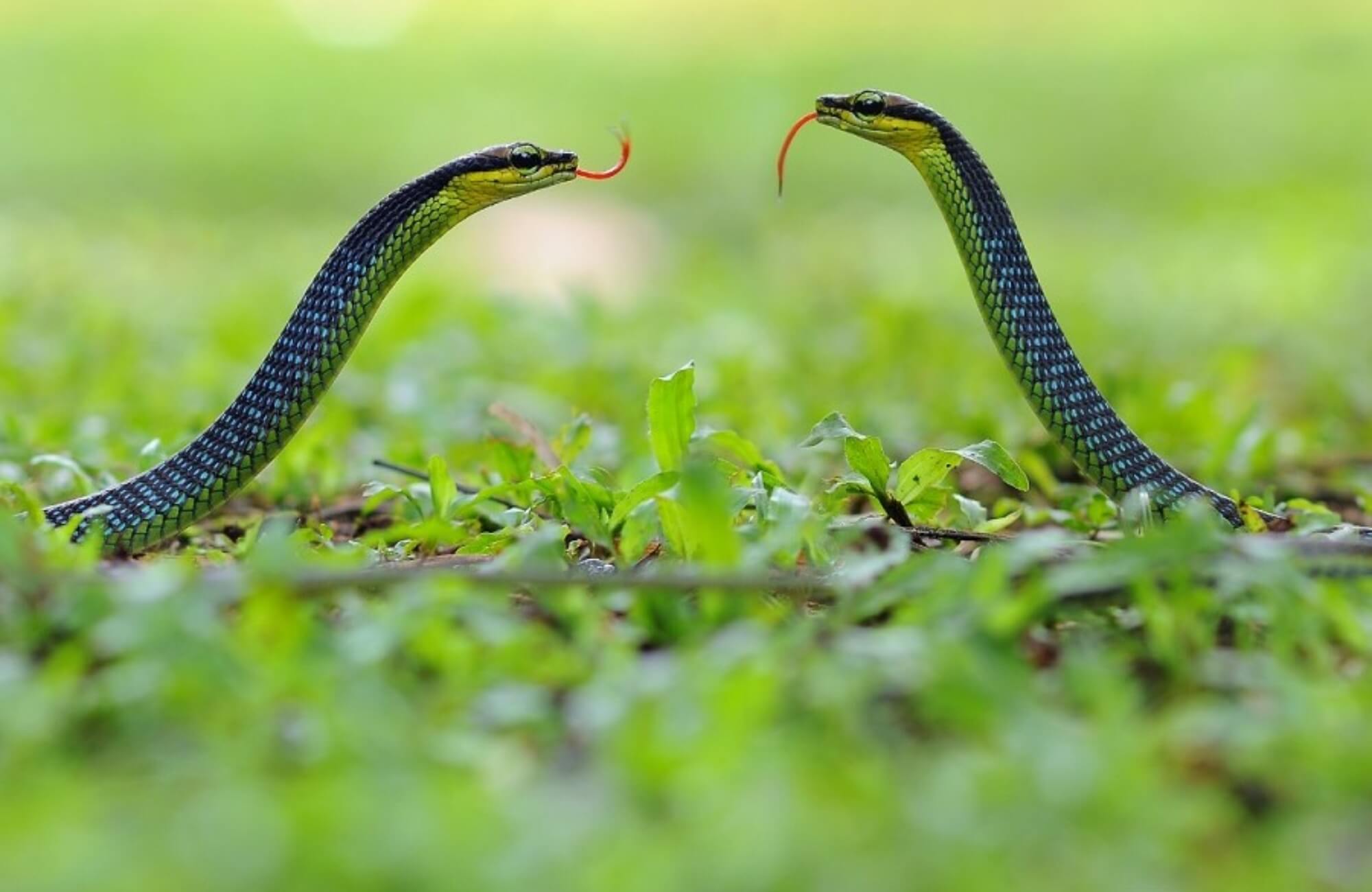
6. Garages and Sheds Can Be Especially Attractive
A garage or shed can provide nearly everything a snake wants: darkness, shelter, relatively stable temperatures, and sometimes plenty of prey.
Boxes, stored materials, gardening equipment, firewood, and other objects can create quiet spaces where snakes can hide.
If doors are frequently left open, wildlife has an even easier opportunity to enter.
Keeping garage doors closed when possible and reducing clutter can help.
Pay particular attention to gaps at the bottom of garage doors and openings around walls or pipes.
7. A Snake Inside Doesn't Always Mean There Are More
Seeing one snake can immediately make a homeowner worry:
“If there is one, are there dozens hiding somewhere?”
Not necessarily.
A single snake may have entered accidentally while searching for food or shelter.
However, repeated sightings deserve attention.
If snakes are regularly appearing around the property, the underlying habitat may be supporting them. In that situation, it is more useful to investigate why they are being attracted rather than simply trying to eliminate every snake you see.
Look for rodents, dense vegetation, standing water, outdoor clutter, and possible entry points.
8. Don't Assume Every Snake Is Venomous
This is particularly important.
Many snake species are nonvenomous and play useful ecological roles by feeding on rodents and other animals.
However, you should never assume that a snake is harmless simply because it looks familiar.
Snake species vary greatly by region, and some venomous species can resemble nonvenomous ones.
If you encounter a snake you cannot confidently identify, maintain a safe distance and avoid handling it.
Do not attempt to grab it with your hands, corner it, or provoke it for a photograph.
If necessary, contact local wildlife professionals or a qualified animal-removal service.
What Should You Do If You Find a Snake Indoors?
The first step is simple:
Stay calm and keep your distance.
Do not try to kill or capture the snake yourself.
Keep children and pets away from the area. If it is safe to do so, isolate the snake in a room by closing interior doors and preventing people from entering.
If there is a safe exit to the outdoors and you can open it without approaching the snake, that may provide an escape route. But do not put yourself at risk trying to guide or chase the animal.
If you cannot safely determine what species it is or where it has gone, professional assistance is the safest choice.
Don't Use Dangerous “Snake Remedies”
The internet is full of claims about products that supposedly keep snakes away.
Some popular suggestions involve mothballs, chemicals, fuels, or other strong-smelling substances.
These approaches can create more problems than they solve.
Mothballs, gasoline, bleach, ammonia, and other household chemicals should not be used as improvised snake repellents.
They can create toxic fumes, contaminate the environment, harm pets and wildlife, or create fire hazards.
A better strategy is to make your property less attractive and eliminate physical access points.
How to Make Your Home Less Attractive to Snakes
You cannot guarantee that a wild animal will never approach your property, but several practical steps can reduce the likelihood of encounters.
Seal Potential Entry Points
Inspect the exterior of your house carefully.
Pay attention to gaps around pipes, doors, vents, foundations, and utility lines.
Use appropriate building materials to seal openings while maintaining necessary ventilation.
Control Rodents
Reducing the availability of mice and rats can make your property less attractive to snakes that prey on them.
Store food securely and address signs of rodent activity promptly.
Reduce Outdoor Clutter
Remove unnecessary piles of wood, debris, unused containers, and other materials that provide hiding places.
Manage Vegetation
Keep grass and vegetation around the immediate perimeter reasonably maintained.
This does not mean you need to remove every plant. Instead, reduce dense hiding areas directly against the house.
Eliminate Unnecessary Water Sources
Repair leaking outdoor faucets and irrigation equipment, and avoid unnecessary standing water.
Secure Garages and Sheds
Keep doors closed when possible and inspect the bottom edges for gaps.
Store materials in an organized manner so that hidden spaces are easier to inspect.
What About Snake Repellent Plants?
You may have heard that certain plants, herbs, or strong smells can “drive snakes away.”
These claims are often exaggerated.
There is no magical plant that can reliably create a snake-proof yard.
If you enjoy particular plants, there is no reason not to grow them for landscaping purposes, but physical exclusion, habitat management, and reducing prey are generally more dependable strategies than relying on supposedly snake-repellent plants.
Snakes Can Actually Benefit Your Yard
Although nobody wants an unexpected snake in the bedroom or kitchen, snakes are an important part of many ecosystems.
Nonvenomous species can help control populations of rodents and other small animals.
That means the goal does not necessarily have to be eliminating every snake from the surrounding environment.
A better objective is often to keep wildlife outside while making your home safer and less accessible.
A healthy outdoor ecosystem and a secure house can coexist.
When a Snake Encounter Requires Extra Caution
If you live in an area where venomous snakes occur, be especially careful.
Do not approach an unidentified snake to determine whether it is dangerous.
Seek professional help if the snake is inside your living space, trapped in an inaccessible area, or behaving in a way that makes safe removal difficult.
If someone is bitten, treat the situation as a medical emergency.
Move away from the snake, call emergency medical services, and keep the affected person as calm and still as possible. Do not cut the wound, suck out venom, apply a tourniquet, or attempt folk remedies.
If it can be done safely from a distance, remembering the snake's appearance may help medical professionals—but never risk another bite trying to capture it.
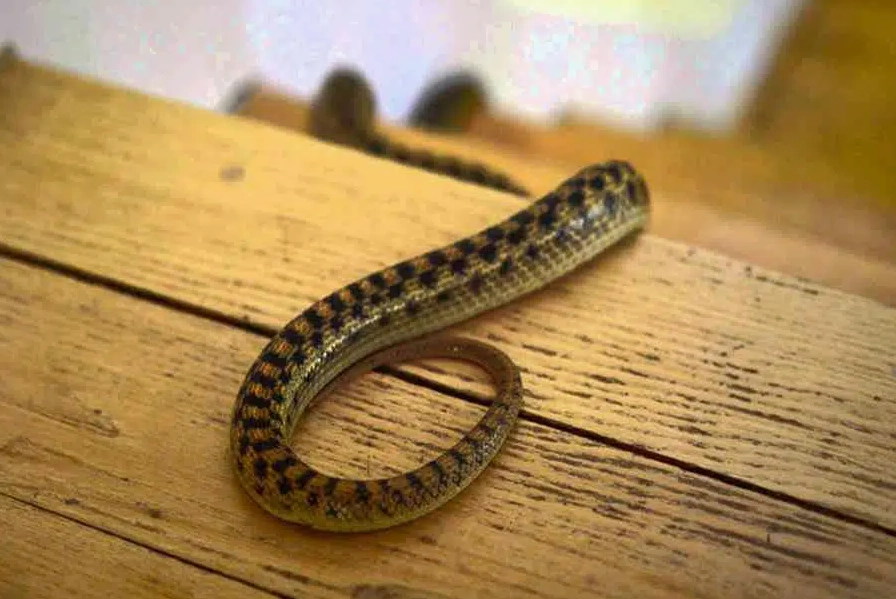
The Real Reason a Snake May Have Entered Your Home
A snake appearing inside your house can feel like a strange or ominous event, but there is usually no mysterious message behind it.
Most of the time, the explanation is much more practical.
There may have been food nearby, a sheltered hiding place, a source of water, favorable temperatures, or an opening that allowed the snake to get inside.
Instead of focusing only on the snake, look at the environment around your home.
Are there mice in the garage?
Is there a gap beneath the back door?
Are piles of wood sitting beside the house?
Is vegetation growing densely around the foundation?
Is water collecting somewhere nearby?
Those clues may tell you much more about why the snake appeared.
And once you understand what attracted it, you can take practical steps to reduce the chances of another surprise visitor.
A snake in the house is certainly startling—but with distance, caution, and a few sensible changes around your property, you can make your home a much less inviting place for unexpected wildlife.