Finding a small lump on your wrist can be alarming. Your first thought may be that it's something serious, especially if it seems to appear suddenly or gradually grows over time.
Fortunately, many wrist lumps are not cancerous. One of the most common causes is a ganglion cyst—a benign, fluid-filled sac that develops near a joint or tendon. Ganglion cysts are very common, particularly around the wrist, and although they may look concerning, they are usually not dangerous.
That said, not every lump on the wrist is a ganglion cyst. Understanding the symptoms, causes, treatment options, and warning signs that require medical attention can help you make informed decisions about your health.
What Is a Ganglion Cyst?
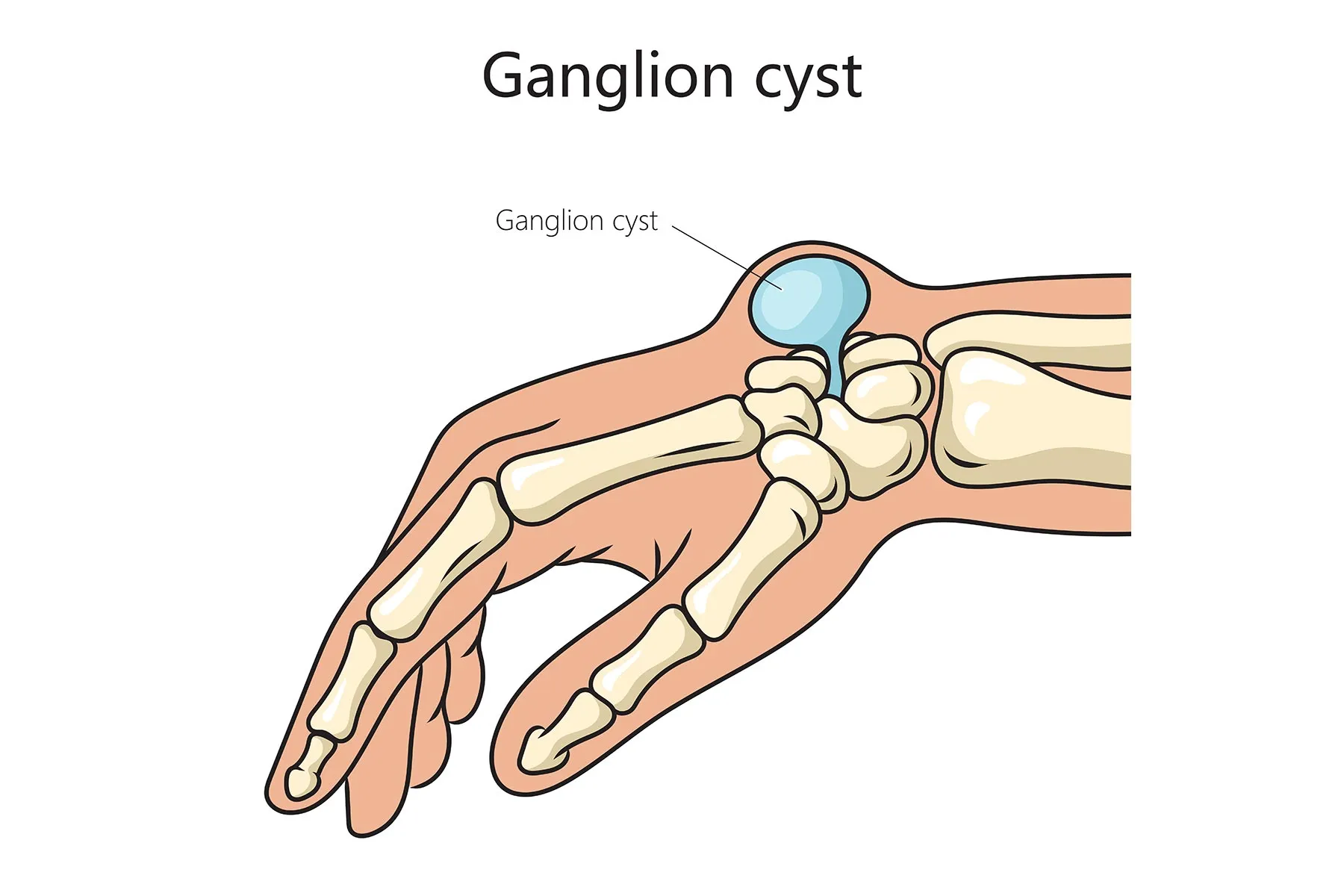
A ganglion cyst is a noncancerous (benign), fluid-filled lump that develops near a joint or tendon.
The fluid inside the cyst is similar to the lubricating fluid normally found inside joints and tendon sheaths.
Ganglion cysts most commonly occur on:
-
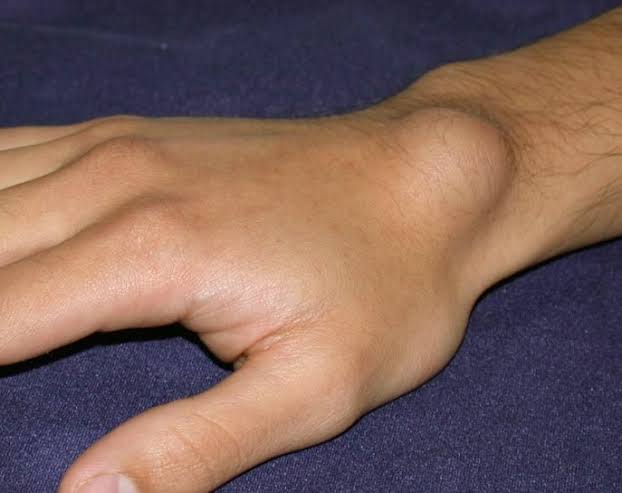
The back of the wrist
-
The front (palm side) of the wrist
-
Fingers
-
The base of the fingers
-
The ankle or top of the foot
Although they can vary in size, many ganglion cysts feel round or oval and may become more noticeable during certain activities.
Why Do Ganglion Cysts Form?
The exact cause isn't fully understood.
Researchers believe ganglion cysts may develop when joint or tendon tissue allows joint fluid to collect in a small sac.
Possible contributing factors include:
-
Repetitive wrist movements
-
Minor joint or tendon irritation
-
Previous wrist injury
-
Degenerative changes in nearby joints
However, many people develop ganglion cysts without any obvious cause.
Who Is More Likely to Develop One?
Ganglion cysts can occur in almost anyone, but they are more common in:
-
Adults between 20 and 50 years of age
-
Women
-
Individuals whose work or hobbies involve repetitive wrist motion
-
Gymnasts and racquet sport athletes
-
People with previous wrist injuries
Having these risk factors does not guarantee you'll develop a ganglion cyst, but they may increase the likelihood.
Common Symptoms
Some ganglion cysts cause no symptoms at all.
Others may cause:
A Visible Lump
The most noticeable sign is a smooth lump beneath the skin.
It may:
-
Stay the same size
-
Slowly enlarge
-
Occasionally become smaller
-
Sometimes seem to disappear and later return
Mild Pain or Discomfort
Some cysts press against nearby tissues or nerves, causing:
-
Aching
-
Tenderness
-
Discomfort during movement
Pain is often worse during activities that involve repeated wrist motion.
Reduced Wrist Movement
Larger cysts may interfere with normal wrist motion.
You might notice stiffness or discomfort when:
-
Gripping objects
-
Lifting weights
-
Typing
-
Pushing yourself up from a chair
Tingling or Numbness
If a ganglion cyst presses on a nearby nerve, symptoms may include:
-
Tingling
-
Numbness
-
Weakness in part of the hand
Although less common, these symptoms should be evaluated by a healthcare professional.
Can a Ganglion Cyst Be Cancer?
This is one of the biggest concerns people have.
The reassuring news is that ganglion cysts are benign and do not become cancerous.
However, because not every lump is a ganglion cyst, a proper medical evaluation is important if:
-
The lump grows rapidly.
-
It is unusually painful.
-
It feels very hard or fixed in place.
-
It is associated with fever or redness.
-
The diagnosis is uncertain.
A healthcare professional can determine whether additional testing is needed.

How Is a Ganglion Cyst Diagnosed?
Diagnosis often begins with:
Medical History
Your healthcare provider may ask:
-
When did the lump appear?
-
Has it changed in size?
-
Does it hurt?
-
Have you injured your wrist?
Physical Examination
The lump is examined for:
-
Size
-
Shape
-
Location
-
Mobility
-
Tenderness
Sometimes a light is placed behind the lump.
Because ganglion cysts contain fluid, light may pass through them, a feature called transillumination.
Imaging Tests
If necessary, your healthcare provider may recommend:
-
Ultrasound
-
MRI
-
X-rays (to evaluate nearby bones, although ganglion cysts themselves are not seen well on X-rays)
These tests help confirm the diagnosis and rule out other conditions.
Do Ganglion Cysts Need Treatment?
Not always.
Many ganglion cysts cause little or no discomfort and may even shrink on their own over time.
If the cyst is painless and not interfering with daily activities, your healthcare provider may simply recommend observation.
Treatment Options
When treatment is needed, several options are available.
Observation
Many ganglion cysts are simply monitored over time.
No treatment is necessary unless symptoms develop.
Immobilization
If wrist movement increases discomfort, a temporary brace or splint may help reduce irritation.
Long-term immobilization is usually not recommended because it can contribute to joint stiffness.
Aspiration
In some cases, a healthcare professional may drain the fluid using a needle.
This can reduce the size of the cyst.
However, recurrence is common because the cyst wall often remains.
Never attempt to drain a cyst yourself.
Surgery
If the cyst:
-
Causes persistent pain
-
Compresses a nerve
-
Limits movement
-
Frequently returns after aspiration
surgical removal may be recommended.
Even after surgery, recurrence is possible, although the risk is generally lower than after aspiration alone.
What You Should Never Do
A common internet myth suggests hitting a ganglion cyst with a heavy object to "burst" it.
This old practice is sometimes called the "Bible treatment."
It is not recommended.
Attempting to burst the cyst yourself can lead to:
-
Injury
-
Infection
-
Damage to nearby nerves or blood vessels
-
Fractures
-
Persistent pain
Always seek appropriate medical advice instead of attempting home procedures.
Can a Ganglion Cyst Go Away on Its Own?
Yes.
Some ganglion cysts shrink or disappear without treatment.
Others remain unchanged for years.
Still others fluctuate in size depending on activity levels.
Because the natural course varies from person to person, regular monitoring is often appropriate if the diagnosis is clear and symptoms are minimal.
Other Conditions That Can Cause a Wrist Lump
Not every wrist lump is a ganglion cyst.
Other possibilities include:
-
Lipoma (a benign fatty lump)
-
Epidermoid cyst
-
Tendon sheath cyst
-
Arthritis-related bony enlargement
-
Inflammatory conditions
-
Rare tumors
This is why persistent or unusual lumps should be evaluated rather than self-diagnosed.
When Should You See a Doctor?
Arrange a medical evaluation if:
-
The lump continues to grow.
-
It becomes painful.
-
You experience numbness or weakness.
-
Wrist movement becomes limited.
-
The lump appears after a significant injury.
-
The skin becomes red, warm, or swollen.
-
You are unsure what the lump is.
Seek prompt medical attention if you develop severe pain, rapidly increasing swelling, fever, or signs of infection.
Can You Prevent Ganglion Cysts?
There is no guaranteed way to prevent them.
However, you may reduce stress on your wrists by:
-
Taking regular breaks during repetitive tasks.
-
Using proper ergonomic positioning while typing.
-
Wearing protective equipment during sports when appropriate.
-
Strengthening the muscles that support the wrist under professional guidance if recommended.
These strategies support overall joint health but cannot completely eliminate the risk.
Common Myths About Ganglion Cysts
Myth: Every wrist lump is a ganglion cyst.
False.
Several different conditions can cause a lump on the wrist.
Myth: Ganglion cysts are cancerous.
False.
Ganglion cysts are benign and do not become cancer.
Myth: You should pop or hit the cyst at home.
False.
Home attempts to burst a cyst can lead to injury and infection.
Myth: Surgery guarantees the cyst will never return.
False.
Although surgery reduces the likelihood of recurrence, ganglion cysts can occasionally come back.
The Bottom Line
A small bump on the wrist can be worrying, but one of the most common explanations is a ganglion cyst—a benign, fluid-filled sac that develops near a joint or tendon. Many ganglion cysts cause little or no discomfort and can simply be observed over time.
However, any new or changing lump deserves proper evaluation, particularly if it is painful, growing rapidly, associated with numbness, or limiting your ability to use your hand.
Avoid trying to burst or drain a cyst yourself. Instead, consult a qualified healthcare professional for an accurate diagnosis and guidance on the most appropriate treatment, if any is needed.
Most importantly, remember that not every wrist lump is something serious - but every persistent lump deserves attention to ensure you receive the right care and peace of mind.