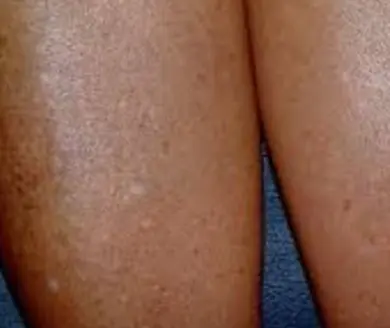
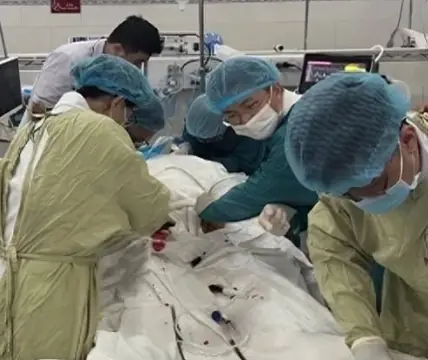
Whether in winter or summer, abnormal sweating in the six patterns below may indicate a wide range of health problems and could even suggest that your life is at risk.
Many people believe that sweating heavily means the body is effectively detoxifying itself. However, from a medical perspective, doctors sadly shake their heads at this harmful misconception.
Dr. Chu Shui from the Fourth People's Hospital of Xi'an, China, shared that many patients arrive at the hospital only after cancer has metastasized or cerebral blood vessels have been severely damaged because they assumed that excessive sweating meant their bodies were "detoxing." In reality, the organs primarily responsible for detoxification are the kidneys, lungs, and digestive system. Sweat glands mainly regulate body temperature and maintain fluid balance, contributing very little to toxin elimination.
Speaking to WebMD, Dr. Stephanie S. Gardner of the United States also acknowledged that medicine has repeatedly warned that dysfunction of the sympathetic nervous system can send abnormal signals to the sweat glands. Unfortunately, most people dismiss excessive sweating as a trivial issue caused by the weather or a "weak constitution." By the time endocrine disorders, cardiovascular diseases, or malignant tumors become apparent, valuable treatment opportunities may already have been lost.
Except in cases of strenuous exercise or extremely hot weather, if you suddenly experience any of the following six types of sweating, your body may be sending serious warning signals.
1. Profuse night sweats
Your body feels normal during the day, but at night you wake up drenched in sweat, soaking your clothes and bedding despite sleeping in a cool room.
Dr. Chu warns that persistent night sweats can be a hallmark symptom of certain cancers, including lymphoma, bone cancer, and leukemia. As tumors grow, they release chemical substances that disrupt the body's temperature-regulating center, causing excessive sweating at night. This symptom is often accompanied by rapid weight loss, fatigue, and persistent low-grade fever.
2. Excessive sweating of the hands
If your palms remain constantly damp and clammy throughout the year regardless of the weather, you may have primary palmar hyperhidrosis.
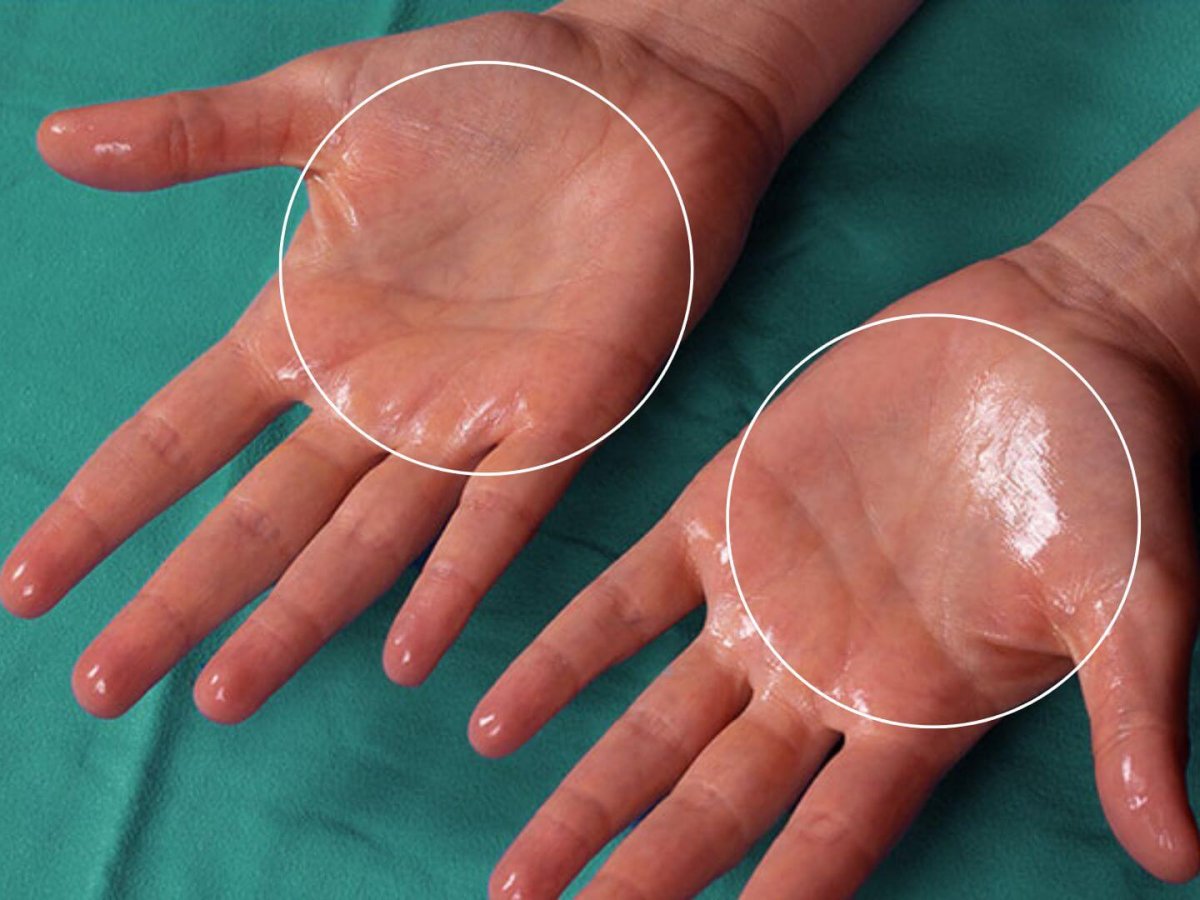
According to Dr. Gardner, this condition occurs when nerves overreact and continuously send faulty signals that overstimulate the eccrine sweat glands. It is often accompanied by excessive sweating of the feet, underarms, and groin and can lead to dermatitis, rashes, and widespread infections if left untreated.
3. Cold sweats accompanied by weakness
If you suddenly break out in sweat on your palms and feet, but your skin feels cold, damp, and clammy, you should seek emergency medical attention immediately.
This can be an extreme nervous-system response to inadequate blood flow to the heart caused by blocked coronary arteries and may signal an impending heart attack. Dr. Chu also notes that cold sweats accompanied by intense hunger, dizziness, and palpitations may indicate severe hypoglycemia that is depriving the brain of energy.
4. Sweating on only one side of the body
Sweating that occurs only on the left or right side of the body while the other side remains completely dry is an alarming warning sign.

Neurologists admit that many stroke cases exhibiting this symptom are overlooked because patients assume it is due to their sleeping position. Dr. Gardner explains that asymmetrical sweating may indicate serious damage to one side of the brain caused by ischemia or bleeding, disrupting normal nerve signaling. Individuals with high blood pressure or high cholesterol should seek immediate medical attention if they experience this symptom.
5. Excessive sweating of the head and face
Your body remains dry, but your head, forehead, face, and neck are constantly drenched in sweat, often accompanied by an itchy or irritated scalp.
This phenomenon is commonly seen in people with severe anxiety disorders and dysfunction of the autonomic nervous system, which disrupts normal regulatory signals.
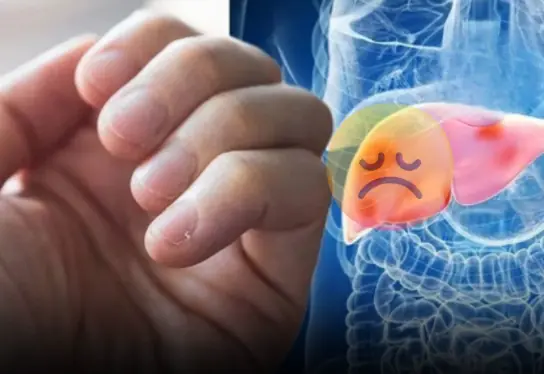
From the perspective of traditional Chinese medicine, doctors also suggest that people with excessive internal heat, poor dietary habits, or liver and gallbladder disorders may experience heat being redirected to the head and face, causing sweat glands in these areas to become overactive.
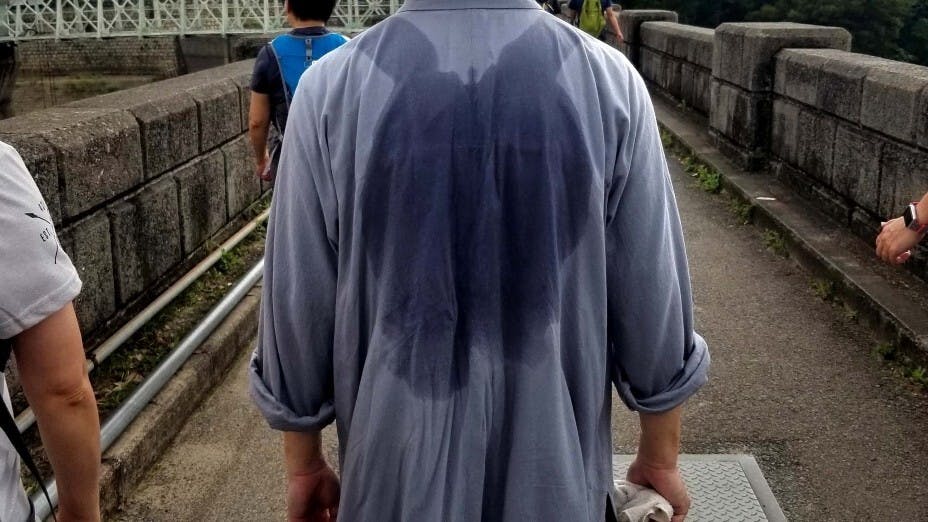
6. Excessive sweating of the back
You remain seated and comfortable in a cool environment, yet your back continues to sweat excessively while the rest of your body remains normal.
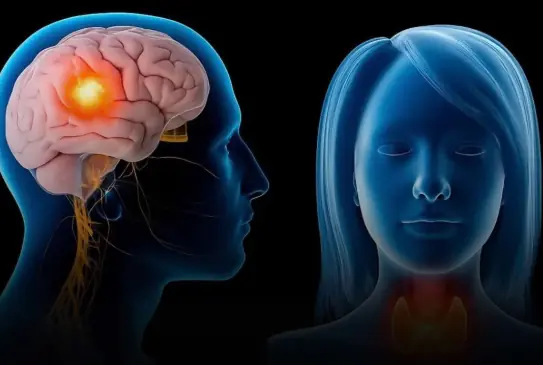
Dr. Chu explains that this may result from a serious hormonal imbalance affecting the hypothalamus, the part of the brain responsible for regulating many bodily functions. It is considered a key symptom of advanced endocrine disorders, particularly hyperthyroidism and severe diabetes that has caused autonomic nerve damage.
Additionally, there are several things you should never do immediately after sweating heavily, as they may pose serious health risks. Avoid entering a cold, air-conditioned room, drinking ice water, or taking a cold shower while your body is still sweaty. These actions can cause blood vessels to constrict suddenly and interfere with the body's natural cooling process, placing excessive stress on the heart.
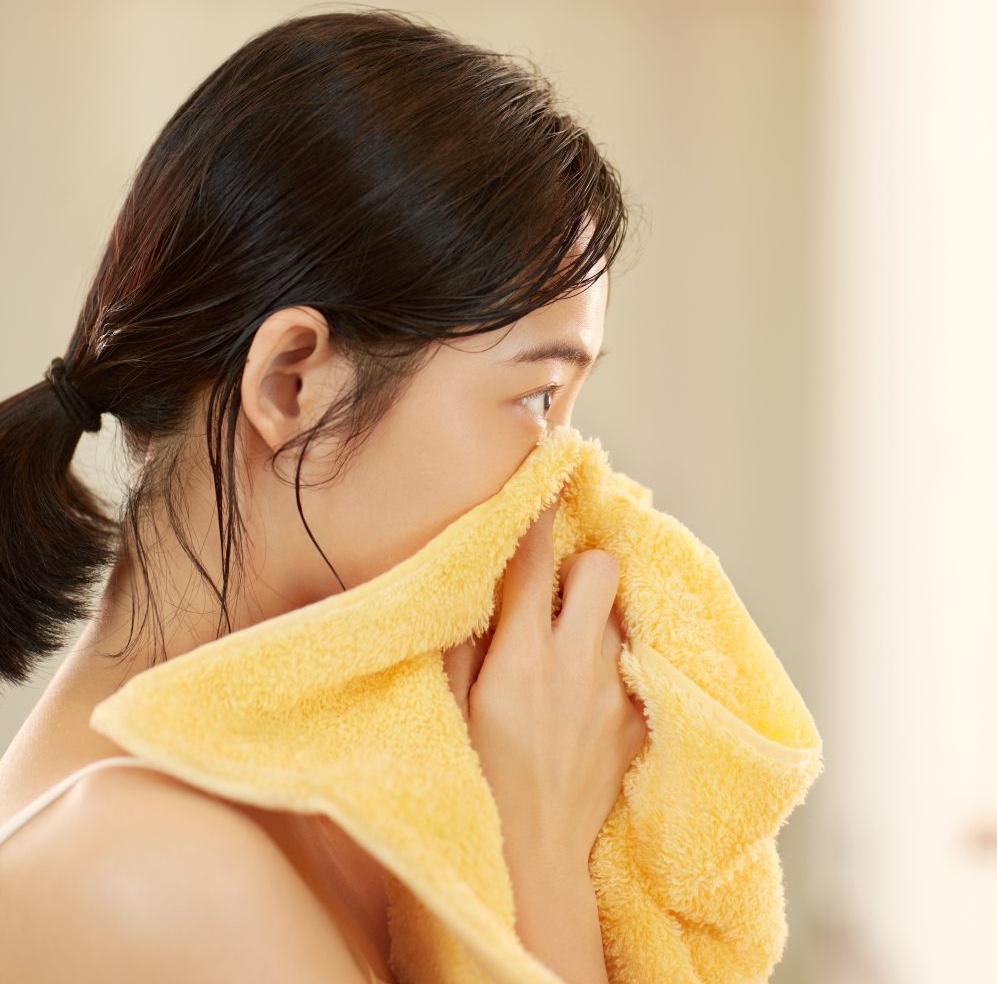
To protect your health, doctors recommend gently drying off with a towel and resting for 20–30 minutes until your body stabilizes before drinking warm water or taking a bath.