Acid reflux is one of the most common digestive complaints worldwide. Many people experience occasional heartburn after a large meal or spicy dinner, while others struggle with symptoms several times a week. Despite how common it is, acid reflux is often misunderstood. A widespread myth is that it is simply caused by having "too much stomach acid." In reality, the problem is usually not the amount of acid your stomach produces, but where that acid goes.
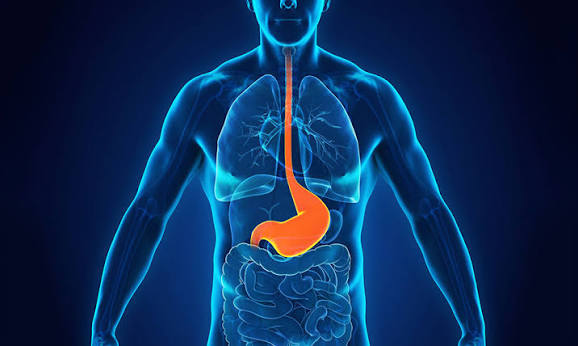
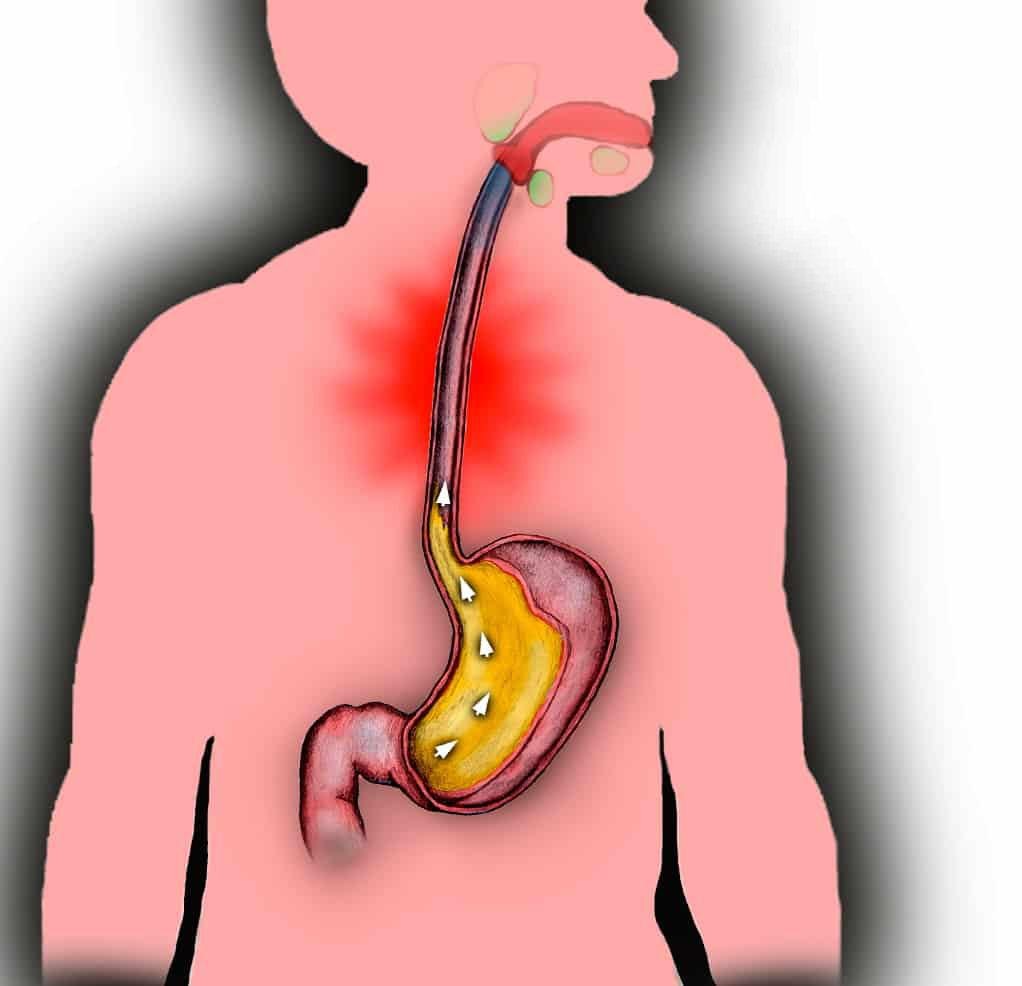
When stomach contents flow backward into the esophagus—the tube connecting your mouth and stomach—they can irritate its lining because it is not designed to withstand stomach acid. This backward flow, known as acid reflux, can cause symptoms such as heartburn, a sour taste in the mouth, chest discomfort, and regurgitation.
Fortunately, many people can reduce their symptoms through lifestyle changes, although some individuals may also require medication or medical evaluation. Understanding what causes acid reflux is the first step toward managing it effectively.

What Is Acid Reflux?
Normally, food travels from the esophagus into the stomach through a muscular valve called the lower esophageal sphincter (LES).
The LES acts like a one-way gate:
-
It opens to allow food into the stomach.
-
It closes afterward to prevent stomach contents from flowing backward.
Acid reflux occurs when this valve relaxes too often or does not close completely, allowing stomach acid and partially digested food to move back into the esophagus.
If symptoms occur frequently—typically two or more times per week—or lead to complications, a healthcare provider may diagnose gastroesophageal reflux disease (GERD).
Common Symptoms of Acid Reflux
Symptoms vary from person to person.
The most common include:
-
Heartburn (a burning sensation in the chest)
-
Sour or bitter taste in the mouth
-
Regurgitation of food or stomach acid
-
Frequent burping
-
Feeling that food is stuck in the throat
-
Chronic cough
-
Hoarseness, especially in the morning
-
Sore throat
-
Bad breath
-
Difficulty swallowing in more severe cases
Some people experience symptoms mainly after meals, while others notice them when lying down or during the night.
Common Causes of Acid Reflux
Several factors can contribute to reflux.
1. A Weak or Relaxed Lower Esophageal Sphincter
This is the most common underlying cause.
If the LES does not function properly, stomach contents can flow back into the esophagus more easily.
2. Eating Large Meals
Overfilling the stomach increases pressure inside it, making reflux more likely.
People who frequently eat very large meals often experience worse symptoms than those who eat smaller portions.
3. Lying Down Too Soon After Eating
Gravity helps keep stomach contents where they belong.
Lying flat immediately after a meal makes it easier for acid to travel upward into the esophagus.
4. Excess Body Weight
Being overweight or obese can increase pressure inside the abdomen, contributing to reflux.
Research has shown that even modest weight loss may reduce GERD symptoms in some individuals.
5. Certain Foods and Beverages
Not everyone has the same triggers, but some foods may worsen reflux in susceptible individuals, including:
-
Fatty foods
-
Fried foods
-
Chocolate
-
Peppermint
-
Coffee
-
Alcohol
-
Carbonated beverages
-
Spicy foods
-
Citrus fruits
-
Tomato-based products
Rather than eliminating all of these foods, it is often more helpful to identify your personal triggers.
6. Smoking
Smoking may weaken the LES and reduce saliva production, making reflux symptoms worse.
7. Pregnancy
Hormonal changes and increased abdominal pressure during pregnancy commonly contribute to reflux, particularly during the second and third trimesters.
8. Certain Medications
Some medications may worsen reflux, including certain:
-
Blood pressure medications
-
Asthma medications
-
Sedatives
-
Pain relievers (NSAIDs)
Never stop a prescribed medication without consulting your healthcare provider.
5 Natural Ways to Help Manage Acid Reflux
While lifestyle changes cannot cure GERD, they may significantly reduce symptoms for many people.
1. Maintain a Healthy Weight
If you are overweight, losing even a small amount of weight may decrease abdominal pressure and reduce reflux episodes.
Weight loss is one of the most consistently recommended lifestyle interventions for GERD.
2. Avoid Eating Close to Bedtime
Experts generally recommend finishing meals at least two to three hours before lying down or going to sleep.
This allows time for the stomach to empty more completely.
Late-night snacking is a common trigger for nighttime reflux.
3. Eat Smaller, More Frequent Meals
Instead of eating two or three very large meals, try:
-
Smaller portions
-
Eating slowly
-
Chewing food thoroughly
Large meals increase stomach pressure, making reflux more likely.
4. Identify and Limit Personal Trigger Foods
Food triggers vary widely.
Keeping a food diary may help identify which foods consistently worsen your symptoms.
Instead of avoiding every potential trigger, focus on the foods that affect you personally.
5. Elevate the Head of Your Bed
For people who experience nighttime reflux, raising the head of the bed by about 6–8 inches (15–20 cm) may help reduce symptoms by using gravity to keep stomach contents from moving upward.
Simply stacking pillows is often less effective than elevating the entire head of the bed or using a wedge pillow.
Other Lifestyle Habits That May Help
Additional strategies include:
-
Avoid tight-fitting clothing around the waist.
-
Stop smoking if you smoke.
-
Limit alcohol if it worsens your symptoms.
-
Stay physically active.
-
Avoid bending over immediately after eating.
-
Eat meals at a relaxed pace.
Foods That May Be Easier on Acid Reflux
Although there is no universal "GERD diet," many people tolerate these foods well:
-
Oatmeal
-
Brown rice
-
Whole-grain bread
-
Bananas
-
Melons
-
Leafy green vegetables
-
Cucumbers
-
Broccoli
-
Lean chicken
-
Turkey
-
Fish
-
Tofu
-
Low-fat yogurt (if tolerated)
Again, individual tolerance varies.
When Lifestyle Changes May Not Be Enough
Some people continue to have frequent reflux despite making healthy lifestyle changes.
Your healthcare provider may recommend medications such as:
-
Antacids
-
H2 receptor blockers
-
Proton pump inhibitors (PPIs)
These medications should be used under medical guidance, especially for long-term treatment.
Possible Complications of Untreated GERD
Persistent reflux can sometimes lead to complications, including:
-
Esophagitis (inflammation of the esophagus)
-
Esophageal ulcers
-
Narrowing of the esophagus (strictures)
-
Barrett's esophagus, a condition that may increase the risk of esophageal adenocarcinoma
Most people with GERD do not develop these complications, especially with appropriate treatment.
Common Myths About Acid Reflux
Myth 1: Acid Reflux Is Always Caused by Too Much Stomach Acid
False.
Most reflux occurs because stomach acid flows into the esophagus, not because the stomach produces excessive amounts of acid.
Myth 2: Drinking Milk Cures Acid Reflux
Not necessarily.
Milk may temporarily soothe symptoms, but high-fat dairy products can worsen reflux in some people.
Myth 3: Everyone Should Avoid the Same Foods
False.
Food triggers vary considerably between individuals.
Myth 4: Heartburn Is Always Harmless
False.
Frequent heartburn may indicate GERD and should be evaluated, particularly if symptoms occur more than twice a week.
Myth 5: Natural Remedies Can Replace Medical Treatment
False.
Lifestyle changes can be very helpful, but they do not replace medical evaluation or prescribed treatment when symptoms are severe, frequent, or associated with complications.
When Should You See a Healthcare Professional?
Arrange a medical evaluation if you experience:
-
Heartburn more than twice per week.
-
Symptoms lasting several weeks despite lifestyle changes.
-
Difficulty swallowing.
-
Pain when swallowing.
-
Persistent vomiting.
-
Unexplained weight loss.
-
Black or bloody stools.
-
Symptoms that wake you from sleep frequently.
Seek emergency medical attention immediately if you develop chest pain accompanied by shortness of breath, pain spreading to the arm or jaw, dizziness, or sweating, as these symptoms could indicate a heart attack rather than acid reflux.
Final Thoughts
Acid reflux is a common condition that usually results from the backward flow of stomach contents into the esophagus, rather than simply having too much stomach acid. For many people, practical lifestyle changes—such as maintaining a healthy weight, eating smaller meals, avoiding late-night eating, identifying personal trigger foods, and elevating the head of the bed can help reduce symptoms and improve quality of life.
However, persistent or severe reflux should not be ignored. Frequent symptoms can sometimes lead to complications, and they may also mimic other serious conditions. If lifestyle measures do not provide adequate relief or you experience warning signs such as difficulty swallowing or unexplained weight loss, consult a healthcare professional for a thorough evaluation and personalized treatment plan.