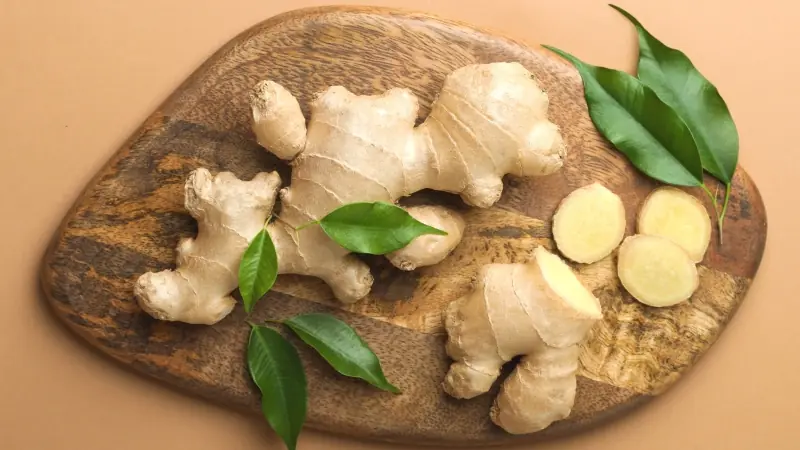
How My Grandma Uses Ginger as a Traditional Remedy for Everyday Aches and Pains
My Grandma Has Always Trusted Ginger for Everyday Aches - Here’s How She Uses It
Health 02/08/2026 17:45
For centuries, cinnamon has been treasured as both a flavorful spice and a traditional herbal ingredient. From ancient Egypt and China to India and the Mediterranean, people have used cinnamon in cooking, beverages, and wellness practices. Today, many people enjoy adding a sprinkle of cinnamon to their morning coffee or afternoon tea—not only for its warm, comforting flavor but also because of its potential health benefits.
While cinnamon is not a miracle ingredient and cannot replace a balanced diet or medical treatment, it does contain naturally occurring plant compounds that researchers continue to study. Adding a small amount to your favorite hot drink can be a simple way to enhance flavor while increasing your intake of certain beneficial compounds.
Here's what current research suggests about adding cinnamon to your daily coffee or tea, along with practical tips for using it safely.

Cinnamon comes from the inner bark of trees belonging to the Cinnamomum genus.
The two most common varieties are:
Often called "true cinnamon," Ceylon cinnamon has a delicate, mildly sweet flavor and naturally contains lower levels of coumarin, a compound that may affect the liver if consumed in large amounts over long periods.
Cassia cinnamon is the variety most commonly found in supermarkets. It has a stronger, spicier flavor but generally contains higher levels of coumarin than Ceylon cinnamon.
For people who consume cinnamon regularly, many experts suggest choosing Ceylon cinnamon when available.
Although cinnamon is typically consumed in small amounts, it contains several naturally occurring compounds, including:
Polyphenols
Flavonoids
Cinnamaldehyde
Eugenol (especially in some varieties)
Manganese
Dietary fiber (in whole cinnamon)
These compounds have attracted scientific interest because of their antioxidant and biological activity.
One of cinnamon's most studied characteristics is its antioxidant content.
Antioxidants help neutralize free radicals—unstable molecules produced during normal metabolism and exposure to environmental factors such as pollution and ultraviolet light.
A diet rich in antioxidant-containing foods may help support the body's natural defenses against oxidative stress.
While the amount of cinnamon used in a beverage is relatively small, it can contribute to your overall intake of plant-based antioxidants.
Perhaps the most widely researched area of cinnamon involves blood sugar.
Some studies suggest that cinnamon may improve insulin sensitivity or modestly affect blood glucose levels in certain individuals, particularly those with type 2 diabetes or prediabetes.
However, research findings have been mixed, and cinnamon should not be considered a treatment for diabetes.
If you have diabetes, continue following your healthcare provider's recommendations regarding diet, medications, and glucose monitoring.
Cinnamon has also been studied for its potential role in cardiovascular health.
Some research suggests it may have modest effects on:
Cholesterol levels
Triglycerides
Blood pressure
Inflammatory markers
However, the evidence remains inconsistent, and more high-quality clinical studies are needed.
Heart health depends primarily on overall dietary patterns, regular exercise, avoiding tobacco, and managing conditions such as high blood pressure and diabetes.
One of cinnamon's greatest practical benefits is its ability to add natural warmth and sweetness to beverages.
Many people find they need less:
Sugar
Flavored syrups
Sweetened creamers
when cinnamon is added.
Reducing added sugars supports overall health and may lower the risk of excessive calorie intake.
Laboratory studies suggest cinnamon contains compounds that may influence inflammatory pathways.
Chronic inflammation is associated with a variety of long-term health conditions.
Although these findings are promising, they do not mean cinnamon can treat inflammatory diseases.
More human studies are needed to clarify its potential role.
Researchers are investigating whether certain cinnamon compounds may influence brain health through antioxidant and anti-inflammatory mechanisms.
Most evidence currently comes from laboratory or animal studies.
While these findings are scientifically interesting, it is too early to conclude that adding cinnamon to beverages improves memory or prevents neurological disease.
Traditional medicine has long used cinnamon to support digestion.
Some people find that cinnamon tea or cinnamon added to warm beverages provides comfort after meals.
Historically, it has been used for:
Occasional bloating
Mild indigestion
General digestive wellness
However, persistent digestive symptoms should always be evaluated by a healthcare professional.

Cinnamon pairs particularly well with many herbal and traditional teas, including:
Black tea
Green tea
Chai
Rooibos
Chamomile
Ginger tea
Adding cinnamon creates a naturally aromatic beverage without increasing sugar content.
Coffee already contains naturally occurring antioxidants.
Adding cinnamon may:
Enhance flavor
Reduce the need for sugar
Add additional plant compounds
Create a richer aroma
Many people enjoy combining cinnamon with:
Oat milk
Almond milk
Low-fat milk
Unsweetened cocoa
Vanilla extract
There are several easy ways to enjoy cinnamon in your favorite beverages.
Add approximately ¼ to ½ teaspoon to freshly brewed coffee or tea and stir well.
Ground cinnamon does not dissolve completely, so some settling at the bottom of the cup is normal.
Place a cinnamon stick directly into:
Hot tea
French press coffee
Herbal infusions
Allow it to steep for several minutes before drinking.
This method provides a milder flavor.
Ingredients:
1 cinnamon stick
2 cups water
Simmer for about 10 minutes, then strain if desired.
You may add lemon or a small amount of honey for additional flavor.
If you consume cinnamon frequently, many experts recommend Ceylon cinnamon because it contains much lower levels of coumarin than Cassia cinnamon.
Coumarin is naturally present in cinnamon, but excessive intake over time may increase the risk of liver problems in susceptible individuals.
Reading product labels can help you determine which variety you are purchasing.
Adding cinnamon to coffee or tea can be part of a healthy lifestyle, but it cannot replace the foundations of good health.
For long-term wellness, prioritize:
A balanced diet rich in fruits and vegetables
Whole grains
Lean proteins
Healthy fats
Regular physical activity
Adequate sleep
Stress management
Not smoking
Routine healthcare
These evidence-based habits have a much greater impact on health than any one spice.
Although culinary amounts of cinnamon are generally considered safe for most healthy adults, some individuals should exercise caution.
Speak with your healthcare provider if you:
Take blood-thinning medications.
Have liver disease.
Are pregnant and considering large amounts or supplements.
Have diabetes and use glucose-lowering medications, as supplements may affect blood sugar.
Have a known allergy to cinnamon.
Avoid consuming large amounts of cinnamon supplements unless advised by a qualified healthcare professional.
Current evidence does not support using cinnamon as a replacement for prescribed diabetes treatment.
Excessive intake may increase the risk of side effects, particularly with Cassia cinnamon due to its higher coumarin content.
Moderation is important.
Adding cinnamon cannot offset the effects of beverages high in sugar, calories, or saturated fat.
Overall dietary quality remains the key factor.

Adding a sprinkle of cinnamon to your daily coffee or tea is a simple habit that can enhance both flavor and aroma while contributing small amounts of beneficial plant compounds to your diet. Research suggests cinnamon contains antioxidants and other naturally occurring substances that may support healthy blood sugar regulation, cardiovascular health, and digestive comfort, although more high-quality human studies are needed to fully understand these effects.
For most people, enjoying cinnamon in culinary amounts is a safe and enjoyable way to add variety to daily beverages. Choosing Ceylon cinnamon for frequent use, limiting added sugars, and incorporating cinnamon into a balanced diet rich in whole foods can help you make the most of its potential benefits.
Ultimately, no single spice can transform your health on its own. Lasting wellness comes from the combined effect of nutritious eating, regular physical activity, adequate sleep, stress management, and routine medical care. When used as part of these healthy habits, cinnamon can be a flavorful and worthwhile addition to your daily cup of coffee or tea.
My Grandma Has Always Trusted Ginger for Everyday Aches - Here’s How She Uses It
Natural Pain Relief Starts at Home: 12 Kitchen Ingredients Worth Knowing
Garlic and Lemon Drink: A Nutrient-Rich Combination for Everyday Wellness

The Hidden Potential of Salted Orange Peels: Traditional Uses and Preparation

The Hidden Healing Treasure in Your Home: Discover the Amazing Benefits of Kalanchoe
Can Pennyroyal Oregano Support Eye Health? Here's What the Evidence Shows

Drink Your Way to Healthier-Looking Skin With These 5 Juices

Everything You Should Know About the Purple Maguey Plant: Traditional Uses and Preparation

10 Early Stroke Symptoms That Could Save Your Life
Goosegrass: The Everyday Plant That May Offer Surprising Wellness Benefits

6 People Who Should Limit Coconut Water Intake

These Symptoms Aren't Always Just Part of Aging

Two Spoons In The Morning And you'll thank me forever

Doctors Warn: These 4 Popular Foods May Hide Dangerous Parasites

No matter how hungry you are, don't touch these 5 breakfast foods.

Doctors Warn: These 3 Groups Shouldn't Eat Too Much Okra
Doctors reveal that consuming ginger causes in... see more

When you see a green ring around an egg yolk, it’s a sign that...

If You Have Gout, These Foods May Be Worth Limiting...
My Grandma Has Always Trusted Ginger for Everyday Aches - Here’s How She Uses It
Natural Pain Relief Starts at Home: 12 Kitchen Ingredients Worth Knowing
Garlic and Lemon Drink: A Nutrient-Rich Combination for Everyday Wellness
The Hidden Potential of Salted Orange Peels: Traditional Uses and Preparation
The Hidden Healing Treasure in Your Home: Discover the Amazing Benefits of Kalanchoe
Can Pennyroyal Oregano Support Eye Health? Here's What the Evidence Shows
Drink Your Way to Healthier-Looking Skin With These 5 Juices
Everything You Should Know About the Purple Maguey Plant: Traditional Uses and Preparation

Why a Snake Plant Might Be a Great Addition to Your Bedroom?


10 Early Stroke Symptoms That Could Save Your Life
Goosegrass: The Everyday Plant That May Offer Surprising Wellness Benefits


Vaseline and Natural Ingredients: Simple Ways to Support Soft, Hydrated Skin
The Amazing Ways Rice Water Has Been Traditionally Used
6 People Who Should Limit Coconut Water Intake
These Symptoms Aren't Always Just Part of Aging