The liver is one of the most remarkable organs in the human body. It performs hundreds of essential functions every day, including filtering toxins from the blood, processing nutrients, producing important proteins, regulating metabolism, and helping the body fight infections.
What makes liver disease particularly dangerous is that it can develop silently for years. In its early stages, liver damage often causes few or no symptoms. Many people remain unaware that their liver is under stress until significant damage has already occurred.
As liver disease progresses, however, the body may begin sending warning signals that should never be ignored. Recognizing these signs early can help individuals seek medical evaluation and potentially prevent further complications.
It is important to note that experiencing one of these symptoms does not automatically mean a person has advanced liver disease. Many conditions can produce similar symptoms. However, persistent or worsening symptoms should always be evaluated by a healthcare professional.
Here are five warning signs that may be associated with advanced liver disease.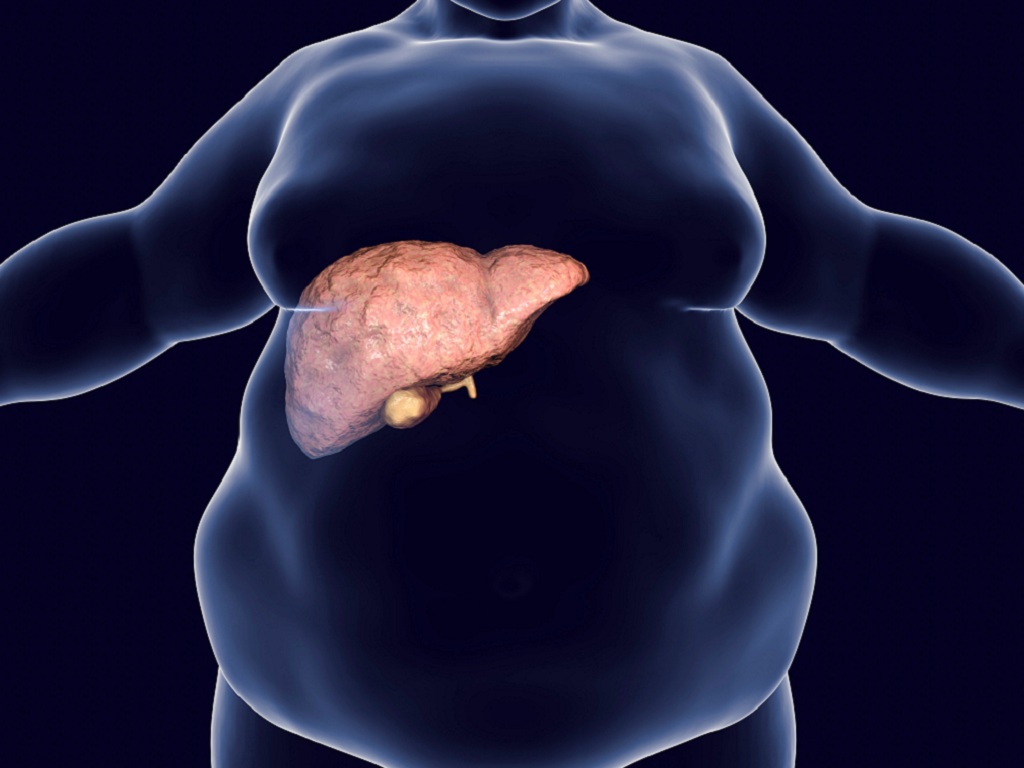
1. Yellowing of the Skin and Eyes (Jaundice)
One of the most recognizable signs of serious liver dysfunction is jaundice.
Jaundice causes:
- Yellowing of the skin
- Yellowing of the whites of the eyes
- Dark urine
- Sometimes pale-colored stools
This occurs when bilirubin, a yellow pigment produced during the breakdown of red blood cells, builds up in the bloodstream.
Under normal circumstances, the liver processes bilirubin and helps remove it from the body. When liver function becomes impaired, bilirubin may accumulate, leading to visible yellow discoloration.
Jaundice is often considered one of the strongest indicators that the liver is struggling to perform its normal functions.
2. Swelling in the Abdomen and Legs
Advanced liver disease may affect the body's ability to regulate fluid balance.
As liver function declines, fluid can accumulate in different areas of the body.
Common signs include:
Abdominal Swelling (Ascites)
Fluid may collect within the abdominal cavity, causing the abdomen to become enlarged or distended.
People may notice:
- A swollen belly
- Tight-fitting clothes
- Increased abdominal pressure
- Rapid increases in waist size
Leg and Ankle Swelling
Fluid retention may also occur in:
- Feet
- Ankles
- Lower legs
Swelling often becomes more noticeable later in the day and may worsen over time.
Persistent swelling should always be evaluated by a healthcare provider.
3. Extreme Fatigue and Weakness
Fatigue is one of the most common symptoms reported by individuals with liver disease.
Unlike ordinary tiredness, liver-related fatigue may involve:
- Persistent exhaustion
- Lack of energy
- Difficulty concentrating
- Reduced physical stamina
- Mental fogginess
The exact causes are complex and may involve changes in metabolism, inflammation, nutritional deficiencies, and altered brain function.
Many individuals describe feeling tired even after a full night's sleep.
Because fatigue can result from many different medical conditions, it is often overlooked as an early warning sign.
4. Easy Bruising and Bleeding
The liver plays a crucial role in producing proteins that help the blood clot properly.
When liver function becomes impaired, the body may have difficulty producing adequate clotting factors.
As a result, individuals may experience:
- Easy bruising
- Frequent nosebleeds
- Bleeding gums
- Prolonged bleeding after minor injuries
Some people notice bruises appearing with little or no obvious injury.
This symptom may indicate that the liver is no longer producing sufficient amounts of essential clotting proteins.
5. Mental Confusion and Personality Changes
One of the more serious complications of advanced liver disease involves changes in brain function.
When the liver cannot effectively remove toxins from the bloodstream, certain substances may accumulate and affect the brain.
Symptoms may include:
- Memory problems
- Difficulty concentrating
- Confusion
- Personality changes
- Irritability
- Sleep disturbances
- Poor judgment
In severe cases, these symptoms may progress to significant neurological impairment.
Because family members often notice these changes before the affected individual does, loved ones should take sudden behavioral or cognitive changes seriously.
Why Liver Disease Often Goes Undetected
One reason liver disease is so concerning is that the liver has an extraordinary ability to compensate for damage.
Even when significant injury has occurred, the liver may continue functioning well enough that symptoms remain minimal.
As a result, many people do not seek medical attention until complications begin to appear.
Common risk factors for liver disease include:
- Excessive alcohol consumption
- Obesity
- Type 2 diabetes
- High cholesterol
- Fatty liver disease
- Chronic viral hepatitis
- Certain medications
- Genetic liver disorders
Regular medical checkups can help identify problems before symptoms become severe.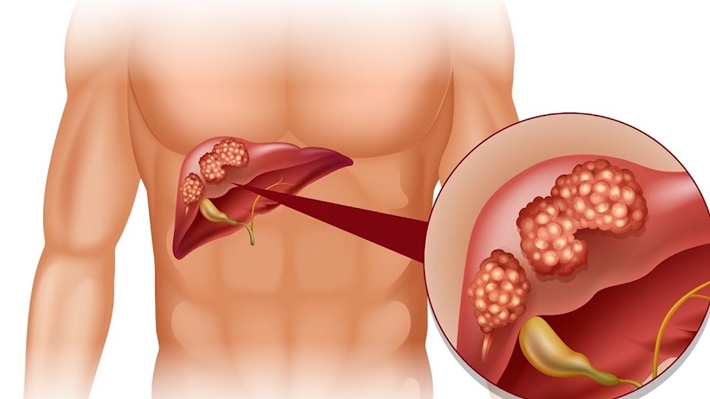
Additional Symptoms That May Occur
Although the five warning signs above are among the most significant, advanced liver disease may also cause:
- Persistent itching
- Loss of appetite
- Unexplained weight loss
- Nausea
- Pale stools
- Dark urine
- Spider-like blood vessels on the skin
- Frequent infections
The combination of multiple symptoms often warrants prompt medical evaluation.
How to Protect Your Liver
While not all liver diseases can be prevented, many lifestyle choices can help support liver health.
Maintain a Healthy Weight
Excess body fat increases the risk of fatty liver disease.
Limit Alcohol Intake
Excessive alcohol consumption remains a major cause of liver damage worldwide.
Eat a Balanced Diet
A diet rich in fruits, vegetables, whole grains, and lean proteins supports overall liver function.
Stay Physically Active
Regular exercise helps improve metabolic health and reduce liver fat.
Use Medications Responsibly
Always follow healthcare guidance regarding prescription and over-the-counter medications.
Get Regular Health Screenings
Routine blood tests can sometimes detect liver problems before symptoms develop.
When to Seek Medical Attention
Medical evaluation should be considered if any of the following occur:
- Yellowing of the skin or eyes
- Persistent abdominal swelling
- Unexplained leg swelling
- Frequent bruising
- Ongoing fatigue
- Mental confusion
- Rapidly worsening symptoms
Early diagnosis often provides more treatment options and may help slow disease progression.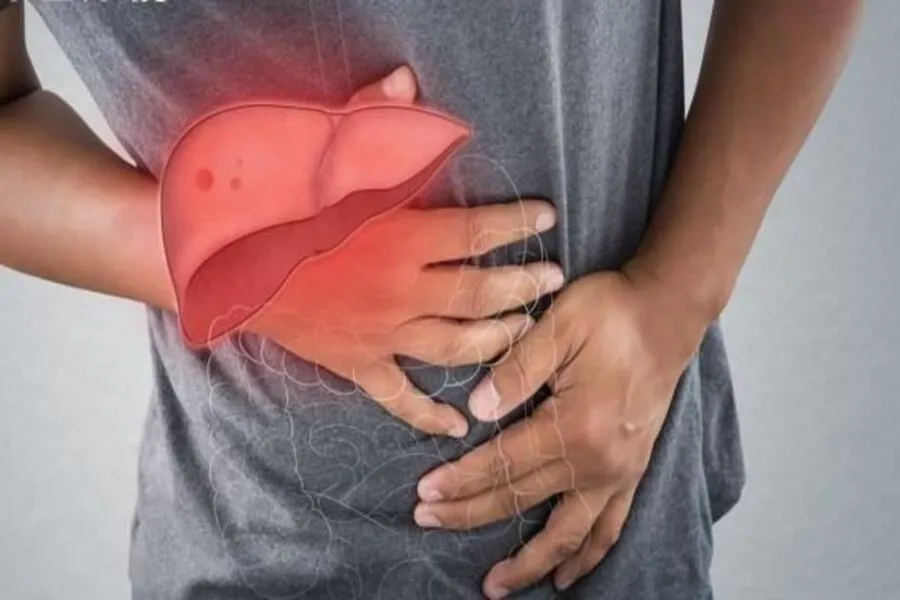
Final Thoughts
Advanced liver disease often develops quietly, but the body may eventually begin sending important warning signals. Yellowing of the skin and eyes, abdominal swelling, persistent fatigue, easy bruising, and mental confusion are among the most significant symptoms that deserve prompt medical attention.
While these signs do not automatically mean advanced liver disease is present, they should never be ignored. The liver performs vital functions that affect nearly every part of the body, and protecting its health is essential for long-term well-being.
Paying attention to these warning signs and seeking professional medical advice when necessary may help identify problems early and improve overall health outcomes.