Stomach cancer, also called gastric cancer, can be difficult to recognize in its earlier stages. Some people have few or nonspecific symptoms at first, and problems such as indigestion, bloating, or reduced appetite can easily be mistaken for common digestive issues.
As stomach cancer becomes more advanced, symptoms may become more noticeable. However, there is an important point to understand:
No single symptom can tell you that stomach cancer has reached an advanced or final stage.
Many of the symptoms discussed below can also occur with ulcers, acid reflux, gastritis, infections, medication side effects, and other digestive conditions.
Advanced stomach cancer means that the cancer has grown beyond its original location or spread to nearby or distant parts of the body. Doctors determine the stage through examinations, imaging, endoscopy, biopsies, and other tests not simply by looking at symptoms.
Still, knowing the potential warning signs can help people recognize when persistent digestive changes deserve medical attention.
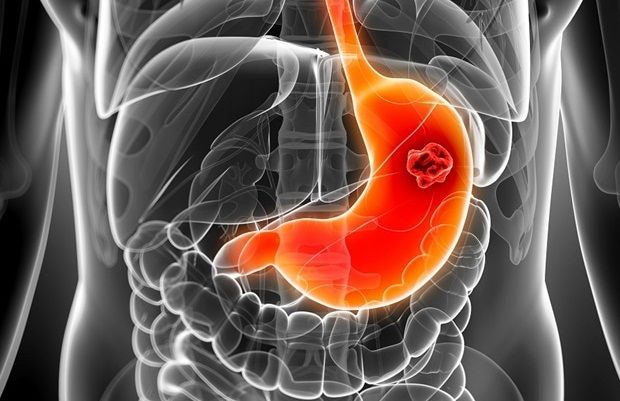
1. Persistent or Worsening Abdominal Pain
Abdominal discomfort is one of the symptoms that can occur with stomach cancer.
The pain may be felt in the upper or middle abdomen and can sometimes be difficult to describe.
Some people report:
-
A dull ache
-
Burning discomfort
-
Pressure
-
Fullness
-
Pain after eating
-
Persistent discomfort that gradually worsens
However, abdominal pain is extremely common and usually has causes other than cancer.
Gastritis, ulcers, reflux, gallbladder disease, constipation, and food intolerances can all cause abdominal discomfort.
What matters is persistence and change.
Pain that continues for weeks, becomes progressively worse, or occurs alongside other concerning symptoms should be evaluated by a healthcare professional.
2. Unexplained Weight Loss
Unexpected weight loss is one of the more important symptoms to pay attention to.
A person may lose weight because they:
-
Have less appetite
-
Feel full quickly
-
Experience nausea
-
Have difficulty eating
-
Have increased metabolic demands from illness
In advanced cancer, weight loss can become significant and may be accompanied by loss of muscle mass and weakness.
But unexplained weight loss isn't specific to stomach cancer.
Other causes include:
-
Thyroid disease
-
Diabetes
-
Gastrointestinal disorders
-
Chronic infections
-
Depression
-
Medication effects
-
Other cancers
If you're losing weight without intentionally changing your diet or exercise routine, it's worth discussing with a doctor.
3. Feeling Full After Eating Only a Small Amount
Another potential warning sign is early satiety, meaning you feel full much sooner than expected.
For example, you may previously have been able to eat a normal meal but now feel uncomfortably full after only a few bites.
This can happen for several reasons.
A stomach tumor may interfere with normal stomach expansion or movement, particularly as disease progresses.
But early fullness can also occur with:
-
Gastritis
-
Peptic ulcers
-
Gastroparesis
-
Functional dyspepsia
-
Acid reflux
-
Other gastrointestinal disorders
If early satiety persists and is accompanied by weight loss or worsening digestive symptoms, medical evaluation is important.
4. Persistent Nausea or Vomiting
Nausea can occur with many illnesses, making it a nonspecific symptom.
However, persistent nausea or repeated vomiting should not be ignored.
In advanced stomach cancer, a tumor can sometimes interfere with the passage of food through the stomach or upper digestive tract.
This can cause:
-
Feeling sick after eating
-
Repeated vomiting
-
Difficulty keeping food down
-
Abdominal fullness
-
Dehydration
Vomiting blood or material that looks like coffee grounds is particularly concerning and requires prompt medical attention.
Repeated vomiting can also cause dehydration and electrolyte abnormalities, regardless of the underlying cause.
5. Difficulty Swallowing
Difficulty swallowing, medically known as dysphagia, can occur when a tumor is located near the upper portion of the stomach or where the esophagus connects with the stomach.
You may feel as though:
-
Food is getting stuck
-
Swallowing requires more effort
-
Solid foods are harder to swallow
-
Eating takes much longer than usual
But swallowing difficulties can have many other causes, including:
-
Acid reflux
-
Esophageal narrowing
-
Esophageal disorders
-
Neurological conditions
-
Muscle problems
Persistent or progressive difficulty swallowing should always be evaluated.
6. Gastrointestinal Bleeding or Black Stools
Bleeding from the stomach or upper digestive tract can sometimes occur with stomach cancer.
You might notice:
Black, tar-like stools
or
Vomiting blood
Blood that has been partially digested can cause vomit to resemble dark coffee grounds.
Black stools can also occur from causes other than cancer, including bleeding ulcers and certain medications or supplements.
For example, iron supplements and some medications containing bismuth can darken stool without causing gastrointestinal bleeding.
Nevertheless, if you have black, tarry stools or vomit blood, seek medical evaluation promptly.
Significant gastrointestinal bleeding can lead to anemia, weakness, dizziness, and potentially life-threatening blood loss.
7. Persistent Fatigue and Weakness
Fatigue is another symptom that can become significant in advanced illness.
With stomach cancer, one possible reason is anemia caused by chronic blood loss.
A person may gradually lose small amounts of blood that aren't visible in the stool.
Over time, iron deficiency and anemia can develop.
Symptoms may include:
-
Fatigue
-
Weakness
-
Pale skin
-
Shortness of breath during activity
-
Dizziness
-
Headaches
-
Rapid heartbeat
However, anemia itself has many possible causes.
Iron deficiency can result from dietary insufficiency, menstrual blood loss, ulcers, intestinal disorders, and other conditions.
Unexplained anemia—particularly in an older adult—deserves appropriate medical investigation.
Why These Symptoms Can Be Easy to Miss
One reason stomach cancer may be difficult to detect is that many early symptoms resemble ordinary digestive problems.
A person may think:
"It's just indigestion."
Or:
"I've been stressed."
Or:
"Maybe I ate something that didn't agree with me."
Occasional bloating or heartburn is common.
The concern increases when symptoms are:
-
Persistent
-
Progressive
-
Unexplained
-
New for you
-
Occurring together
-
Associated with weight loss or bleeding
Advanced Stomach Cancer Can Cause Additional Symptoms
When stomach cancer spreads beyond the stomach, symptoms can depend on where the cancer has traveled.
Possible sites of spread include:
-
Nearby lymph nodes
-
Liver
-
Peritoneum
-
Lungs
-
Bones
For example, liver involvement may cause abdominal swelling, jaundice, or changes in liver function.
Spread to the abdominal lining can contribute to fluid accumulation and increasing abdominal fullness.
Bone involvement can cause persistent or localized bone pain.
These symptoms are not specific to metastatic cancer, but they require medical assessment.
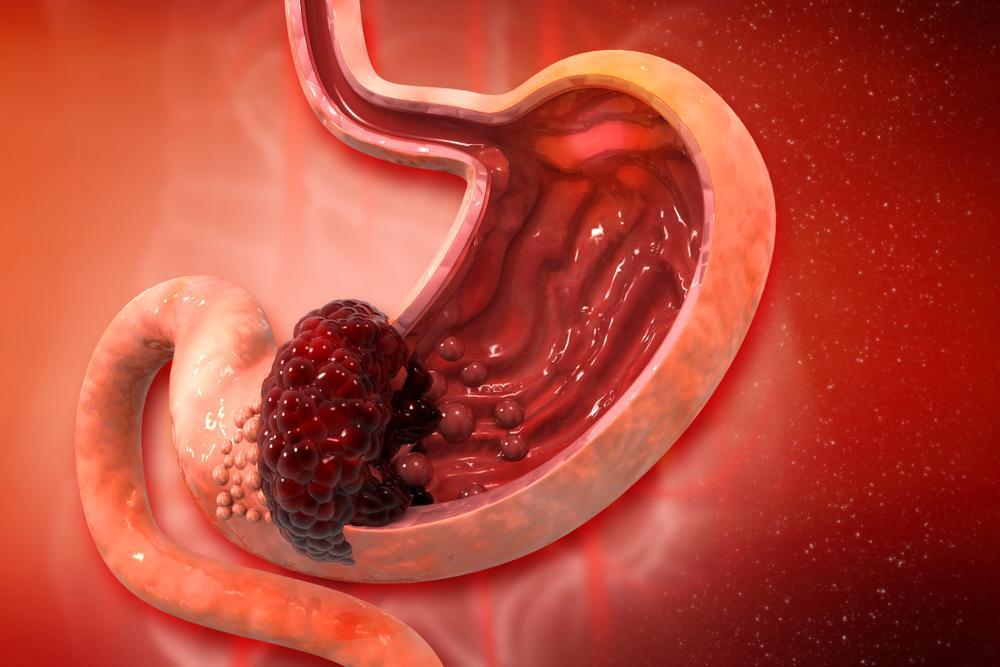
What Does "Advanced" Stomach Cancer Actually Mean?
It's important not to diagnose cancer stage based on symptoms.
Doctors use staging systems to determine how far the cancer has progressed.
Staging considers factors such as:
-
How deeply the tumor has invaded the stomach wall
-
Whether nearby lymph nodes contain cancer
-
Whether the cancer has spread to distant organs
Advanced disease may include cancers that have invaded surrounding tissues or spread to distant parts of the body.
The exact classification depends on diagnostic findings.
Stage IV Is Not the Same as "Final Days"
Another common misconception is that "advanced" or "stage IV" automatically means a person is about to die.
That's not necessarily true.
Stage IV stomach cancer is metastatic disease, meaning it has spread to distant parts of the body.
Although metastatic stomach cancer is generally not considered curable with current standard treatments, therapies can sometimes:
-
Slow cancer growth
-
Reduce symptoms
-
Improve quality of life
-
Extend survival
Treatment options continue to evolve.
How Is Stomach Cancer Diagnosed?
Symptoms alone cannot diagnose stomach cancer.
If your doctor is concerned, evaluation may include several steps.
Medical History
Your doctor may ask about:
-
Digestive symptoms
-
Weight changes
-
Family history
-
Smoking
-
Alcohol use
-
Previous stomach problems
-
Medication use
Physical Examination
The abdomen may be examined for tenderness, swelling, or other abnormalities.
Upper Endoscopy
An upper gastrointestinal endoscopy allows a specialist to directly examine the esophagus, stomach, and upper small intestine.
If an abnormal area is found, tissue samples can be taken.
Biopsy
A biopsy is essential for confirming whether suspicious tissue contains cancer cells.
Imaging
CT scans and other imaging tests may help determine whether the cancer has spread.
What Role Does Helicobacter pylori Play?
One important risk factor for stomach cancer is infection with Helicobacter pylori, commonly called H. pylori.
This bacterium can cause chronic inflammation of the stomach lining and is associated with:
-
Gastritis
-
Peptic ulcers
-
Increased stomach cancer risk
Importantly, most people with H. pylori infection do not develop stomach cancer.
If you have an H. pylori infection, appropriate treatment can eradicate the bacterium and reduce certain long-term risks.
Your healthcare professional can recommend testing when appropriate.
Family History Can Matter
A family history of stomach cancer may increase risk in some people.
Certain inherited genetic conditions can also increase the likelihood of developing gastric cancer.
If several close relatives have had stomach cancer or related cancers, tell your doctor.
Genetic counseling or testing may be appropriate in selected circumstances.
Smoking Is Another Risk Factor
Smoking increases the risk of several cancers, including stomach cancer.
Tobacco smoke contains numerous chemicals that can damage cells and contribute to cancer development.
If you smoke, quitting is one of the most important things you can do for your overall health.
Stopping smoking can reduce the risk of many diseases even after years of exposure.
Diet Can Influence Long-Term Risk
Diet isn't a simple cause-and-effect explanation for stomach cancer.
However, certain dietary patterns are associated with risk.
High consumption of heavily salted and preserved foods has been associated with increased stomach cancer risk, particularly in combination with other factors such as H. pylori infection.
A healthier pattern generally emphasizes:
-
Fresh vegetables
-
Fruits
-
Whole grains
-
Beans
-
Fish
-
Lean proteins
while limiting excessive intake of heavily salted, preserved, and highly processed foods.
What About Processed Meat?
Processed meats such as bacon, sausage, ham, and cured meats have been associated with increased risk of several cancers, particularly colorectal cancer.
Some research has also investigated relationships between processed meat consumption and stomach cancer.
The overall message is straightforward:
Processed meat is better consumed sparingly rather than as a daily staple.
Replacing some processed meats with:
-
Fish
-
Beans
-
Lentils
-
Tofu
-
Poultry
can improve overall dietary quality.
Alcohol and Stomach Health
Excessive alcohol consumption can irritate the digestive tract and contribute to several health problems.
Alcohol is also an established cause of several cancers.
If you drink, reducing your intake can improve overall health.
People with certain medical conditions may be advised to avoid alcohol entirely.
Why Early Evaluation Matters
Stomach cancer can be more difficult to treat when it is diagnosed after it has spread.
That's why persistent symptoms shouldn't simply be ignored.
This doesn't mean every episode of indigestion requires an endoscopy.
But if symptoms continue, worsen, or occur alongside warning signs such as unexplained weight loss, bleeding, or difficulty swallowing, medical evaluation is appropriate.
When Indigestion Deserves More Attention
Occasional indigestion is common.
But consider seeing a healthcare professional if you experience:
-
Persistent indigestion
-
Recurrent upper abdominal discomfort
-
Unexplained weight loss
-
Early fullness
-
Persistent nausea
-
Difficulty swallowing
-
Recurrent vomiting
-
Black stools
-
Anemia
The exact threshold for investigation depends on your age, symptoms, risk factors, and medical history.
Don't Assume Heartburn Means Stomach Cancer
Heartburn is extremely common and is usually related to acid reflux or GERD.
Most people with heartburn do not have stomach cancer.
However, persistent symptoms that change over time should be evaluated, especially if they don't respond to appropriate treatment or are accompanied by alarm symptoms.
What Can You Do to Support Stomach Health?
There are several practical habits that support general digestive health.
Eat a Varied Diet
Include plenty of plant foods and minimally processed ingredients.
Limit Excessive Salt
Especially heavily salted and preserved foods.
Don't Smoke
Smoking increases the risk of many cancers.
Limit Alcohol
Less is generally better for cancer prevention.
Treat H. pylori When Present
If testing confirms infection, follow the prescribed eradication treatment.
Maintain a Healthy Weight
A healthy body composition supports overall metabolic health.
Keep Up With Medical Care
Don't ignore persistent symptoms or recommended screening and follow-up.
When Should You Seek Urgent Medical Attention?
Some symptoms require prompt evaluation regardless of the underlying cause.
Seek urgent medical care if you experience:
-
Vomiting blood
-
Black, tarry stools
-
Severe abdominal pain
-
Fainting
-
Severe weakness
-
Signs of significant blood loss
-
Persistent vomiting with inability to keep fluids down
These symptoms can indicate gastrointestinal bleeding or another serious medical problem.
A Simple Checklist to Remember
If you're concerned about stomach health, remember these seven symptoms:
1. Persistent abdominal pain
Especially if it is new or progressively worsening.
2. Unexplained weight loss
Particularly when it occurs without changes to diet or exercise.
3. Early satiety
Feeling full after eating very little.
4. Persistent nausea or vomiting
Especially if food or fluids become difficult to keep down.
5. Difficulty swallowing
Particularly if the problem is progressive.
6. Black stools or vomiting blood
Possible signs of gastrointestinal bleeding.
7. Unexplained fatigue or anemia
Especially when combined with other digestive symptoms.
None of these symptoms proves that you have stomach cancer.
But persistent or concerning combinations deserve medical attention.
The Bottom Line
Advanced stomach cancer can cause a variety of symptoms, but there is no specific symptom checklist that can determine whether stomach cancer has reached an advanced stage.
The seven symptoms worth paying attention to include:
Persistent abdominal pain
Unexplained weight loss
Feeling full unusually quickly
Persistent nausea or vomiting
Difficulty swallowing
Gastrointestinal bleeding
Unexplained fatigue or anemia
These symptoms can also result from many much more common conditions.
The important thing is not to panic—but not to ignore persistent changes either.
If symptoms are new, worsening, unexplained, or occurring together, talk with a healthcare professional. Early evaluation can identify treatable digestive conditions and, when cancer is present, provide an opportunity for diagnosis and appropriate treatment.
Final Thoughts
Stomach cancer doesn't always announce itself with dramatic symptoms.
Sometimes the earliest changes are subtle: appetite gradually declines, meals become smaller, indigestion keeps returning, or a person starts losing weight without intending to.
Those symptoms don't automatically mean cancer.
But when something changes and doesn't go away, it's worth finding out why.
Pay attention to your body, but don't try to determine your cancer stage based on symptoms alone. Diagnosis requires appropriate medical testing, and treatment decisions should be based on the results of that evaluation.
Persistent digestive symptoms deserve attention—not because they necessarily mean cancer, but because understanding their cause is the safest way to protect your health.