If you exercise heavily, showering afterward can help remove sweat, dirt, and products such as sunscreen.
However, even active older adults don't necessarily need extremely hot water or aggressive soap.
A quick lukewarm shower may be enough.
The goal is to remove sweat without leaving your skin dry and irritated.
What About Winter?
Winter can be particularly challenging for older skin.
Cold outdoor air tends to be dry.
Indoor heating can reduce humidity.
Then people often take long, hot showers because they feel cold.
This combination can leave the skin extremely dry.
During colder months, consider:
-
Shorter showers
-
Lukewarm rather than very hot water
-
Gentle cleansers
-
Regular moisturizing
-
A humidifier if indoor air is very dry
Your skin may need more protection during winter, not more aggressive washing.
What About Summer?
Summer creates the opposite problem.
Heat and humidity can increase sweating.
You may need to shower more often depending on your activity level and environment.
If you sweat heavily, paying attention to areas such as the armpits, groin, feet, and skin folds becomes particularly important.
But even in summer, you don't necessarily need extremely hot water or harsh soap.
Clean doesn't have to mean irritated.
A Shower Can Also Affect Your Balance
There is another issue older adults should consider: bathroom safety.
A wet shower floor can become slippery.
For someone with reduced balance, weak muscles, vision problems, or certain medical conditions, bathing can carry a meaningful fall risk.
That's why shower safety deserves as much attention as shower frequency.
Consider:
-
Non-slip flooring or mats
-
Grab bars installed appropriately
-
A stable shower chair if needed
-
Adequate lighting
-
A handheld showerhead
-
Keeping frequently used items within easy reach
Never use a towel rack as a substitute for a properly installed grab bar.
And don't wait until after a fall to think about bathroom safety.
Why Falls Matter So Much After 65
A fall that might have caused only a bruise when you were younger can have more serious consequences later in life.
Older adults are more vulnerable to fractures, particularly if they have low bone density or osteoporosis.
A bathroom combines several risk factors:
Water.
Smooth surfaces.
Limited space.
Standing and turning.
Getting in and out of a tub or shower.
That's why making the bathroom safer can be one of the most important improvements to your bathing routine.
Don't Ignore Persistent Itching
If your skin constantly itches, don't automatically assume you simply need to shower more.
Frequent washing can sometimes make dry skin worse.
Persistent itching may have many possible causes, including:
-
Dry skin
-
Eczema
-
Allergic reactions
-
Certain medications
-
Fungal infections
-
Other skin conditions
-
Some systemic medical conditions
If itching is persistent, severe, widespread, or accompanied by a rash, sores, swelling, or other symptoms, it's worth speaking with a healthcare professional.
Sometimes the solution isn't more cleaning.
It may be treating the underlying problem.
When Hygiene Changes Suddenly
A sudden change in personal hygiene can sometimes be a sign that something else is happening.
For example, an older person who previously managed bathing independently may suddenly struggle to shower.
They may be afraid of falling.
They may have developed pain.
They may have mobility problems.
They may feel unusually tired.
They may have difficulty remembering steps in their routine.
Or they may simply find the bathroom environment overwhelming.
These changes deserve attention.
Rather than assuming the person has become "lazy" or "unclean," look for the underlying reason.
Sometimes a shower chair, grab bar, assistance from a caregiver, or a different bathroom setup can make a major difference.
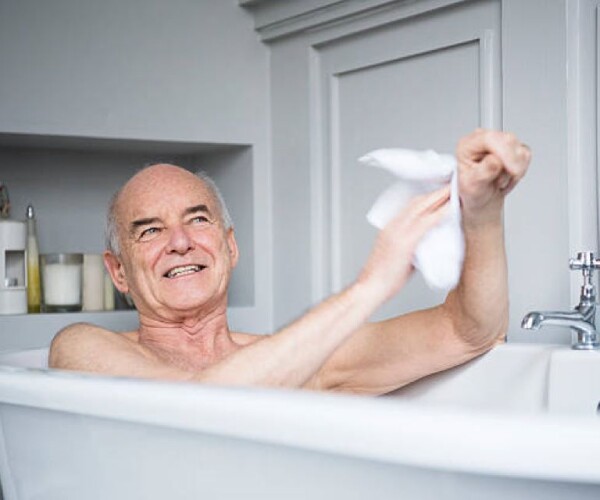
Hygiene and Independence
For many older adults, bathing isn't just about cleanliness.
It's also about independence.
Being able to shower, dress, and care for yourself can contribute significantly to confidence and quality of life.
If an older adult begins struggling with bathing, the solution shouldn't automatically be to take over completely.