For many women, menopause marks the beginning of a new stage of life. Hot flashes, sleep changes, mood fluctuations, and other symptoms often receive most of the attention.
But there is another change happening quietly inside the body: bone loss can accelerate around and after menopause.
The reason is closely linked to estrogen. Before menopause, estrogen helps regulate bone remodeling and supports the balance between bone breakdown and bone formation. As estrogen levels decline, bone can be broken down faster than it is replaced. Over time, this may contribute to reduced bone mineral density and increase the risk of osteoporosis and fractures.
That does not mean every postmenopausal woman will develop osteoporosis.
The condition is influenced by many factors, including age, genetics, body size, physical activity, nutrition, medications, smoking, alcohol use, certain medical conditions, and family history.
In fact, there are women who may have a lower overall risk than others because they do not have several of the major risk factors.
So rather than thinking, “Osteoporosis is inevitable after menopause,” it is more useful to understand who is more vulnerable and which protective habits can make a difference.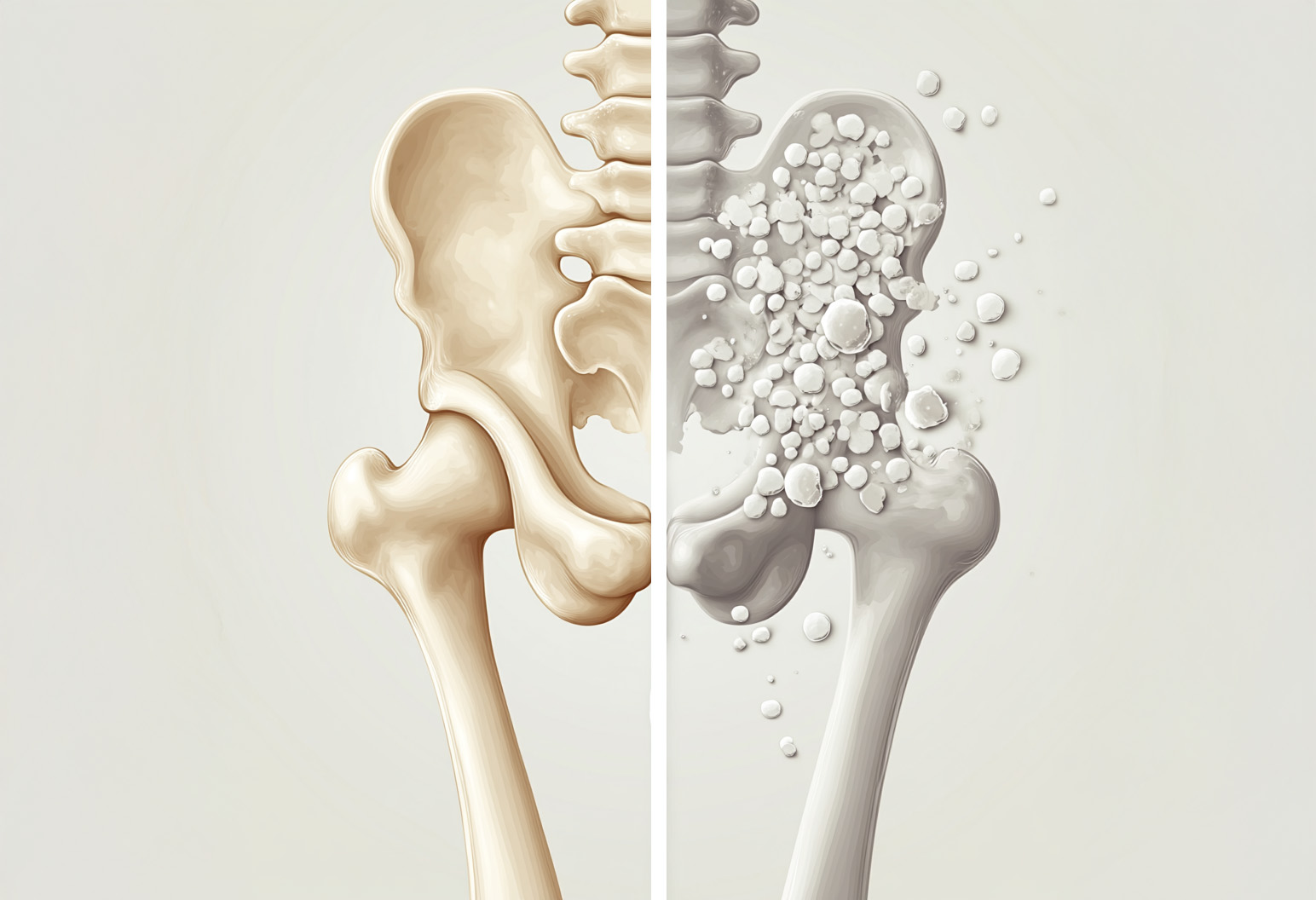
Why Bone Loss Can Accelerate After Menopause
Bone is living tissue.
It is constantly being broken down and rebuilt in a process called bone remodeling. Specialized cells remove older bone while other cells build new bone.
Estrogen helps keep this process in balance.
When estrogen levels fall significantly during the menopausal transition, the rate of bone resorption can increase. This can lead to faster loss of bone mass, especially during the first several years after menopause.
This is one reason bone health deserves attention long before a fracture occurs.
Osteoporosis is sometimes called a “silent” condition because a person may have no obvious symptoms until a bone becomes weak enough to fracture.
A fall that would have caused only a bruise years earlier can become a wrist, vertebral, or hip fracture when bone strength has significantly declined.
The 3 Groups That Often Have Higher Risk
There is no simple list of women who are guaranteed to develop osteoporosis. However, certain characteristics are associated with a higher risk.
Understanding them can help women identify whether they should pay extra attention to bone health.
1. Women With a Small Body Frame or Low Body Weight
Body size can influence bone health.
Women with a very low body weight or a small body frame may have less bone mass to begin with. Lower body weight can also be associated with lower estrogen levels in some situations and may coincide with inadequate nutrient intake.
This does not mean being thin automatically causes osteoporosis.
Nor does it mean women with larger bodies are protected from bone loss.
It simply means that low body weight is one recognized risk factor.
If someone has lost a significant amount of weight unintentionally, that is a separate concern that deserves medical evaluation.
For women who are naturally small-framed, the answer is not to gain weight indiscriminately. Instead, the focus should be on adequate nutrition, protein, calcium, vitamin D, resistance exercise, and appropriate medical assessment.
2. Women With a Strong Family History or Previous Fractures
Genetics plays an important role in bone strength.
A woman whose parent had osteoporosis or a hip fracture may have a higher risk herself.
A history of certain fractures after relatively minor trauma can also be an important warning sign.
For example, breaking a bone from a fall that would not ordinarily be expected to cause a fracture may suggest reduced bone strength.
Family history cannot be changed.
But knowing about it gives a woman an opportunity to take preventive measures earlier.
Depending on age and individual risk factors, a healthcare professional may recommend assessing bone mineral density or discussing other strategies for fracture prevention.
3. Women With Inactive Lifestyles or Certain Medical and Medication Risk Factors
Bones respond to mechanical loading.
Regular weight-bearing and resistance exercise gives bones a reason to maintain their strength.
By contrast, prolonged inactivity can contribute to loss of bone and muscle strength.
Women who spend most of their time sitting, rarely perform resistance exercises, or have limited mobility may therefore face additional risk.
Certain medical conditions can also increase osteoporosis risk.
Examples include some thyroid disorders, rheumatoid arthritis, gastrointestinal diseases that interfere with nutrient absorption, chronic kidney disease, and conditions that affect hormone production.
Some medications can contribute as well.
Long-term use of glucocorticoid medications such as prednisone is a well-known example.
This is one reason people taking medications for chronic illnesses should not stop treatment on their own. The appropriate response is to discuss risks and protective strategies with a healthcare professional.
Does Menopause Mean Osteoporosis Is Inevitable?
No.
This distinction is important.
Menopause increases the risk of bone loss, but menopause is not the same thing as osteoporosis.
Many women go through menopause without developing osteoporosis, particularly when they have healthy bone mass, maintain adequate nutrition, stay physically active, avoid smoking, and address other risk factors.
At the same time, a woman can develop osteoporosis even if she has always been physically active and eats a nutritious diet.
That is why prevention should be based on overall risk rather than a single habit or characteristic.
Calcium Still Matters—But More Isn't Always Better
Calcium is essential for maintaining the structure and strength of bone.
Good sources include dairy products, calcium-fortified plant beverages, calcium-set tofu, certain fish eaten with their bones, and some leafy green vegetables.
However, more calcium is not automatically better.
Taking very high doses of supplements without medical guidance is not a substitute for a balanced diet and may not be appropriate for everyone.
The amount a woman needs depends partly on age and other individual factors.
A healthcare professional can help determine whether dietary intake is adequate and whether supplementation makes sense.
Vitamin D Helps the Body Use Calcium
Vitamin D is another important part of the equation.
The body needs vitamin D to help absorb calcium and support normal bone metabolism.
Sources include sunlight exposure, fatty fish, fortified foods, and supplements when appropriate.
Vitamin D deficiency can occur for a variety of reasons, including limited sun exposure and certain medical conditions.
If deficiency is suspected, testing and individualized supplementation may be appropriate.
Again, more is not necessarily better. Excessive vitamin D supplementation can also cause health problems.
Protein Is Important for Bone and Muscle
Protein sometimes gets left out of discussions about osteoporosis.
But bones contain a protein-based structural framework, and adequate protein intake is important for maintaining muscle mass.
Strong muscles can also improve stability and help reduce the risk of falls.
That matters because a fracture usually requires more than weak bone alone.
A fall or other mechanical force is often what triggers the injury.
Good protein sources include fish, eggs, dairy products, poultry, tofu, beans, lentils, nuts, and seeds.
The ideal amount depends on overall health, body size, activity level, and age.
Resistance Training Is One of the Best Tools You Have
Walking is beneficial.
But for bone health, resistance training is especially valuable because it challenges the skeleton and muscles in a way that encourages them to remain strong.
Exercises can include:
-
Squats or chair squats
-
Step-ups
-
Resistance-band exercises
-
Weight machines
-
Free weights
-
Bodyweight exercises
The program should match a person's fitness level and medical condition.
Someone with established osteoporosis or previous fractures may need professional guidance to choose exercises safely.
The goal isn't to lift the heaviest weight possible.
It is to provide regular, progressive loading while maintaining good technique.
Walking Still Has a Role
Walking may not replace resistance training, but it remains an excellent activity for many older adults.
Regular walking contributes to physical fitness, supports muscles and balance, and provides weight-bearing activity.
Taking the stairs, gardening, dancing, and other movement-based activities can also help maintain a more active lifestyle.
The best exercise routine is one a person can maintain consistently.
Don't Forget Balance Training
Strong bones are only part of fracture prevention.
Preventing falls is equally important.
Balance can change with age, vision problems, medications, muscle weakness, neurological conditions, and environmental hazards.
Activities such as tai chi, balance exercises, and appropriately supervised strength training may help improve stability.
At home, reducing fall hazards can also make a meaningful difference.
Loose rugs, cluttered walkways, poor lighting, and slippery surfaces can all increase the chance of a fall.
Smoking Is a Major Habit to Address
Smoking is harmful to bone health and is associated with a higher risk of fractures.
Smoking can interfere with bone remodeling and may also affect calcium balance and other processes involved in skeletal health.
Quitting is therefore beneficial for far more than the lungs.
It supports cardiovascular health, respiratory health, and long-term bone health as well.
Alcohol Deserves Attention Too
Heavy alcohol consumption can negatively affect bone health and increase fracture risk.
Alcohol can also increase the likelihood of falling, which adds another pathway toward injury.
For women who drink, keeping consumption within recommended limits—or avoiding alcohol altogether—is a reasonable part of an overall bone-health strategy.
Why Maintaining Muscle Matters After Menopause
Many women focus on avoiding bone loss but overlook muscle loss.
As people age, muscle mass and strength can decline.
This can reduce balance and make falls more likely.
Maintaining muscle through resistance training, adequate protein, and regular movement therefore complements osteoporosis prevention.
Think of bone and muscle as a team.
Stronger muscles help protect the skeleton by improving movement and reducing the likelihood of falls.
Hormone Therapy Is More Complicated Than a Social-Media Headline
Some women hear that estrogen replacement can protect bones and assume hormone therapy is automatically the solution.
That's not how medical decision-making works.
Menopausal hormone therapy can help prevent bone loss and fractures in appropriate patients, but it also has potential risks and is not suitable for everyone.
The decision depends on factors such as age, symptoms, medical history, cardiovascular risk, cancer history, and personal preferences.
It should be discussed individually with a healthcare professional.
Women should not start or stop hormone therapy based solely on internet advice.
When Should Bone Density Be Checked?
Bone mineral density can be measured using a test called DXA or DEXA.
Whether and when a woman should have this test depends on age and risk factors.
Women with certain risk factors may need assessment earlier than women at average risk.
A healthcare professional can use factors such as age, fracture history, family history, body weight, medications, and medical conditions to determine whether screening or further evaluation is appropriate.
The key point is that you don't need to wait until you break a bone to start thinking about osteoporosis.
What About Bone Pain?
Osteoporosis itself does not always cause pain.
In fact, many people with significant bone loss feel completely normal.
Persistent back pain, loss of height, or a change in posture can sometimes be related to vertebral fractures, but these symptoms have other possible causes as well.
A new fracture, especially after minimal trauma, should always be medically evaluated.
The Importance of Avoiding Extreme Diets
Some women become concerned about weight gain after menopause and respond by drastically restricting food intake.
That can backfire.
Severely restrictive diets may lead to inadequate protein, calcium, vitamin D, and other nutrients that support bone and muscle health.
Healthy weight management should focus on sustainable eating rather than extreme calorie restriction.
Vegetables, fruits, whole grains, legumes, protein-rich foods, and healthy fats can all fit into a nutritious eating pattern.
Your Bone Health Is Built Over Decades
One of the biggest misconceptions is that bone health suddenly becomes important after menopause.
In reality, the foundation is built much earlier.
Peak bone mass is reached relatively early in life, and factors such as physical activity and nutrition during youth can influence the amount of bone available later.
But it's never too late to take action.
Even after menopause, exercise, adequate nutrition, smoking cessation, fall prevention, and appropriate medical treatment can help reduce fracture risk.
Three Risk Groups Don't Define Your Future
It is tempting to divide women into simple categories:
high risk or low risk.
Real life isn't that neat.
A woman can have several risk factors and never experience a major fracture.
Another woman may have few obvious risk factors and still develop osteoporosis.
Risk factors simply change probabilities.
They are not predictions carved in stone.
That is why the most useful question isn't “Am I guaranteed to get osteoporosis?”
It is:
“What can I do now to protect my bones and reduce my personal risk?”
A Simple Bone-Health Routine
For many postmenopausal women, the basics are surprisingly straightforward.
Eat a varied diet that provides adequate calcium and protein.
Get enough vitamin D based on individual needs.
Engage in regular weight-bearing activity.
Perform resistance exercises.
Maintain muscle strength and balance.
Avoid smoking.
Limit excessive alcohol.
Review medications and medical conditions with your healthcare professional.
Follow recommended bone-density screening.
And take unexplained fractures or significant height loss seriously.
These actions may sound ordinary.
That's exactly why they're useful.
You don't need a miracle food or a complicated supplement routine to support healthy bones.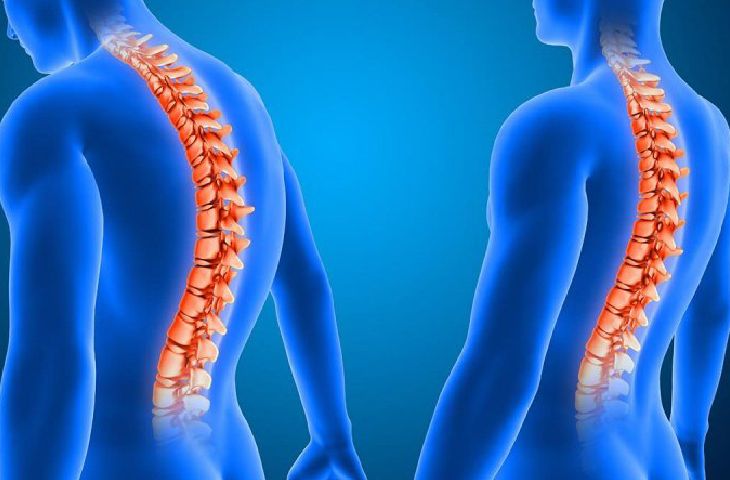
The Bottom Line
After menopause, declining estrogen can accelerate bone loss, which is why osteoporosis becomes more common with age.
But osteoporosis is not an inevitable consequence of menopause.
Women with low body weight or small frames, a strong family history or previous fragility fractures, or certain medical conditions, inactive lifestyles, and medication exposures may face higher risk.
Fortunately, many aspects of bone health are manageable.
Adequate calcium, vitamin D, and protein, regular resistance and weight-bearing exercise, maintaining muscle and balance, avoiding smoking, limiting excessive alcohol, and getting appropriate medical evaluation can all help.
Most importantly, don't wait for a fracture to take your bones seriously.
Your bones may be silent, but they are constantly responding to the way you live.
The years after menopause are not a sentence to osteoporosis—they are an opportunity to become more intentional about protecting the strength and independence you want for the years ahead.