A supportive environment can help them understand that the accident was not their fault and that they are allowed to grieve.
Community support may include helping families with daily tasks, providing meals, offering transportation, or simply being present.
In the case of Dulce Victoria, the community's response showed how neighbors and friends can come together after a sudden loss.
A Reminder That Safety Must Come Before Curiosity
Rivers often attract children because they offer a place to explore, play, and enjoy the outdoors. But curiosity can lead them close to hazards they do not fully understand.
A child may approach the water to look at fish, throw stones, play with a friend, or simply stand near the bank. The danger may not be obvious until the person slips or enters a current.
Adults should explain that rivers are not the same as swimming pools. A pool has controlled conditions, while a river can change from one moment to the next.
Children should be taught to stay away from the water's edge unless an adult is supervising them in a safe, designated area.
They should also understand that if a friend falls into a river, they must call for help rather than jumping in themselves.
These lessons should be repeated regularly, not only after an accident has occurred.
The tragedy in El Pitayo demonstrates why water safety is not a minor issue. It is a matter of protecting children from dangers that may be difficult to recognize.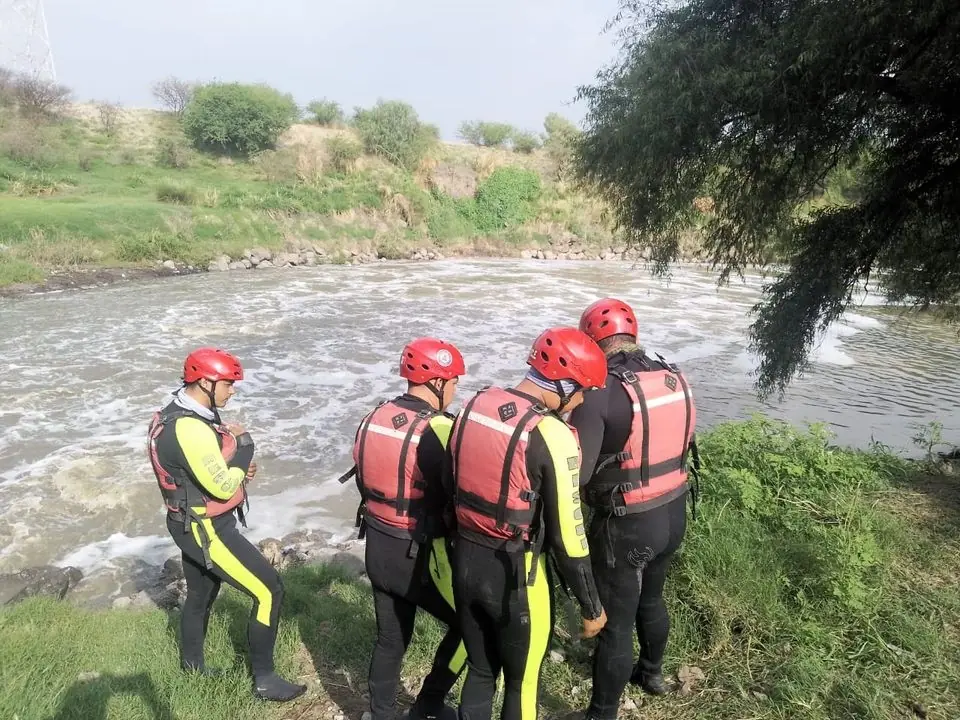
The Questions That Remain After a Tragedy
Even after a missing person is found, families and communities may continue to ask questions.
Could the accident have been prevented? Were there warning signs near the river? Could barriers or other safety measures have made the area safer? Were children aware of the dangers of the current?
These questions are understandable, but they should be approached carefully and based on reliable information.
The available reports establish that Dulce and the boy fell into the Lerma River while playing near the water, that the boy was rescued, and that Dulce was swept away and found two days later.
They also establish that emergency services carried out an extensive search involving several municipalities and specialized personnel.
The reports do not provide a complete assessment of every possible safety measure that may have been present or absent at the location. It would therefore be inappropriate to make unsupported claims about negligence or responsibility.
What can be said is that the incident highlights the need for careful evaluation of river access points and stronger public awareness of water hazards.
The goal of such discussions should be prevention, not speculation.
How a Tragedy Can Lead to Better River Safety
The death of a child can become a turning point for a community when it encourages practical action.
After an accident near a river, local authorities can review the area and identify measures that may reduce future risks. These may include warning signs, barriers at dangerous access points, improved emergency access, or public information about changing water conditions.
The most effective measures depend on the location. A riverbank used by residents for recreation may need different protections from an industrial section or an area with steep, unstable terrain.
Local knowledge is important. Residents often know where children gather, where the bank becomes slippery, and which sections of the river are particularly dangerous after rain.
Emergency services can use this information to help identify priority areas for safety improvements.
Schools and community organizations can also contribute by providing water-safety education. Children should learn to recognize dangerous currents, avoid entering rivers without supervision, and call for help when someone is in trouble.
Parents and caregivers can reinforce these lessons through everyday conversations. A simple reminder to stay away from the edge may not seem important, but repeated safety messages can help children develop better habits.
The tragedy involving Dulce Victoria cannot be undone. But if it leads to better awareness and safer conditions, it may help protect other children in the future.
The Emotional Weight Carried by Rescuers
Search-and-rescue personnel are often praised for their courage, and rightly so. They work in dangerous environments and respond to emergencies that most people would find overwhelming.
But the emotional impact of their work is sometimes overlooked.
Searching for a missing child is particularly difficult because responders know that a family is waiting for news. They may be parents themselves, and they understand how devastating the situation can be.
The work requires concentration, discipline, and the ability to follow safety procedures even when the emotional pressure is intense.
Rescuers must continue searching while managing fatigue, changing conditions, and uncertainty. They may spend long hours on the river or along its banks, repeatedly examining areas where the missing person might be found.
When the outcome is tragic, the operation can leave a lasting emotional impression.
Emergency agencies can support their personnel by providing opportunities to discuss difficult experiences, access counseling, and take time to recover after demanding operations.
Recognizing the emotional cost of rescue work is part of respecting the people who carry it out.
The Meaning of the Two-Day Search
The two days between Dulce's disappearance and her recovery were marked by urgency, uncertainty, and determination.
The first response focused on locating a child who had fallen into the river. The boy who was with her was rescued, and his account helped responders understand what had happened.
The search then expanded, bringing together emergency personnel from Salamanca and neighboring municipalities. Boats, divers, firefighters, and Civil Protection teams worked to examine the river.
The operation continued through difficult conditions, including a strong current that complicated the search.
On the morning of June 14, Dulce was found in the lower section of the Lerma River, near the area where she had fallen.
The discovery ended the search, but it did not bring the outcome that her family had hoped for.
The story is heartbreaking because it began with an ordinary moment between children and ended with a community mourning a young life.
It is also a reminder that emergency responders cannot control every outcome, even when they work tirelessly. Their role is to search, rescue when possible, recover when necessary, and help families receive answers.
Remembering the Child, Not Only the Accident
Dulce Victoria was ten years old. She should have had years of school, friendships, family celebrations, and ordinary childhood experiences ahead of her.
The circumstances of her death are important to understand, but they should not become the only thing remembered about her.
Her family and community will carry memories that are far more personal than the details of the rescue operation. They will remember her voice, her expressions, her habits, and the small moments that made her part of their lives.
The public may remember the headline about a girl found after two days of searching. Her loved ones will remember a child who was present in their everyday world and whose absence will be deeply felt.
That difference matters.
A responsible account of this tragedy should explain what happened without turning the child's suffering into spectacle. It should recognize the work of rescuers, acknowledge the grief of the family, and encourage safer behavior around rivers.
The most meaningful response to Dulce's story is not simply to share the shocking headline. It is to understand the danger, respect the family, and help prevent another child from experiencing the same fate.
The Lerma River search ended on June 14, 2025. The pain of losing Dulce Victoria did not end that day.
For her family, the memory of a ten-year-old girl will remain far more important than the details of the accident. For the community, her story is a solemn reminder that a moment of play near moving water can become a tragedy—and that protecting children must always come first.