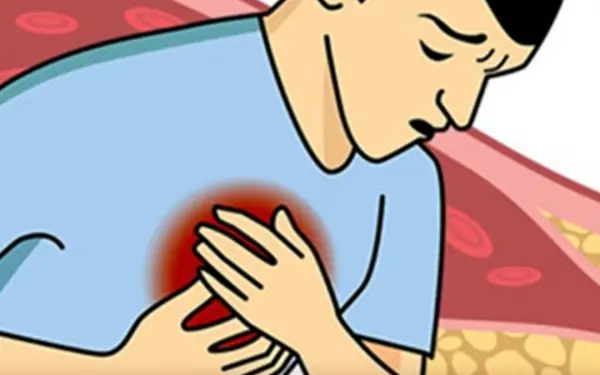
10 Warning Signs of Stroke in the High-Risk Age Group (46-55)
As individuals approach middle age, the risk of health complications such as stroke increases. Here are 10 signs that may indicate vulnerability to stroke or early health deterioration. Recognizing these symptoms early can save lives.
1. Sudden Weakness or Numbness
- Affects the face, arm, or leg, especially on one side of the body.
- Immediate medical attention is necessary.
2. Difficulty Speaking or Understanding
- Slurred speech or inability to find the right words.
- Trouble understanding conversations.
3. Vision Problems
- Sudden loss of vision in one or both eyes or blurred vision.
4. Severe Headaches
- Intense headache with no known cause, sometimes accompanied by nausea or vomiting.
5. Dizziness or Loss of Balance
- Feeling unsteady, unable to walk properly, or coordination issues.
6. Chest Pain
- Persistent pain in the chest that could radiate to the arms or jaw.
- Often linked to heart and circulation issues.
7. Fatigue and Shortness of Breath
- Persistent tiredness or breathing difficulties without exertion.
8. High Blood Pressure
- Elevated readings over time can silently damage blood vessels and increase stroke risk.
9. Rapid Heartbeat or Irregular Rhythm
- Could signal underlying heart problems like atrial fibrillation.
10. Tingling Sensations
- Frequent or unexplained tingling in extremities like hands or feet.
Preventive Measures for This Age Group
- Adopt a Healthy Diet: Focus on fruits, vegetables, and low-sodium meals.
- Regular Exercise: Aim for at least 30 minutes of moderate activity daily.
- Monitor Blood Pressure and Cholesterol: Keep these under control with regular check-ups.
- Quit Smoking: Tobacco is a significant contributor to stroke.
- Manage Stress: High stress levels can lead to hypertension and heart issues.
When to See a Doctor
If you or a loved one experience any of these symptoms, seek immediate medical attention. Early intervention can prevent further complications and increase survival rates.