Possible effects include:
-
Abdominal cramping
-
Loose stools
-
Diarrhea
-
Nausea
-
Dehydration
-
Electrolyte abnormalities
The risk depends on the preparation and amount consumed.
10. Certain People Should Be Especially Careful
Aloe isn't necessarily appropriate for everyone.
People who are pregnant or breastfeeding should be particularly cautious about consuming aloe products, especially products containing aloe latex or concentrated extracts.
People with kidney problems should also be careful with products that can cause significant diarrhea or electrolyte disturbances.
Individuals taking medications—particularly medicines affecting blood sugar, fluid balance, or other physiological systems—should discuss oral aloe supplements with a healthcare professional before using them regularly.
Children should not be given concentrated aloe products casually.
And anyone with a chronic medical condition should avoid assuming that an herbal supplement is automatically safe simply because it is sold without a prescription.
11. The Difference Between Aloe Gel and Aloe Latex Matters
This distinction deserves special attention.
Aloe gel
The clear inner gel is the part most commonly used in skincare.
It is generally considered different from aloe latex in terms of composition and typical use.
Aloe latex
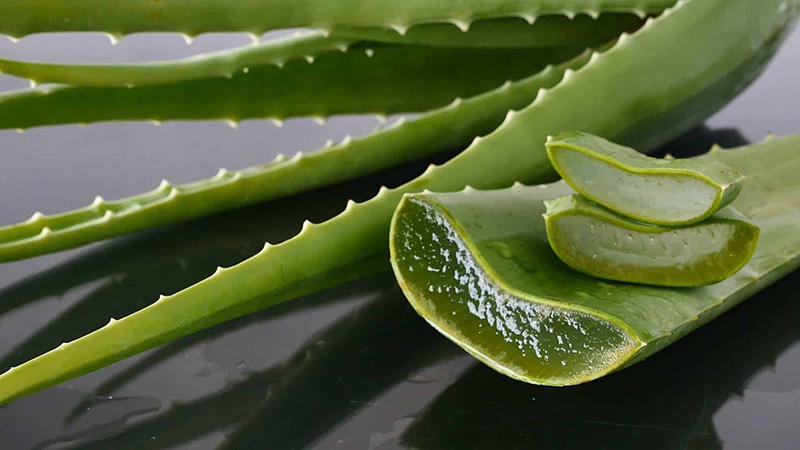
Aloe latex comes from the layer beneath the leaf's outer surface and contains anthraquinone compounds.
It can act as a stimulant laxative.
Historically, aloe latex was used for constipation, but concerns about safety have led to restrictions and changes in how aloe-derived laxative products are marketed and regulated in some places.
This is why simply consuming material directly from an aloe leaf is not necessarily the same as using a properly formulated commercial aloe product.
12. Can You Eat Aloe Straight From the Plant?
This is where caution is especially important.
Some people cut an aloe leaf, scoop out the gel, and consume it.
The problem is that a freshly cut leaf can contain both inner gel and latex.
If the latex is not appropriately removed, consuming it can lead to unwanted effects.
There is also a difference between food-grade aloe preparations and aloe products designed strictly for external use.
Therefore, people should not assume that an aloe plant growing in the house or garden is automatically suitable for eating.
If you want to consume aloe, using a product specifically manufactured and labeled for oral consumption is a more controlled approach than experimenting with raw leaves.
13. Aloe Vera Isn't a Replacement for Medical Treatment
Aloe's long history in traditional medicine can make it tempting to use the plant for almost everything.
But evidence-based healthcare depends on the specific condition.
Aloe should not replace appropriate treatment for:
-
Serious burns
-
Infected wounds
-
Persistent digestive symptoms
-
Diabetes
-
Kidney disease
-
Chronic skin disease
-
Severe allergic reactions
-
Persistent constipation
-
Unexplained abdominal pain
Natural products may have useful roles, but they should be evaluated based on evidence rather than reputation.
Common Aloe Vera Myths
Myth 1: Aloe vera can detox the entire body.
Reality: The body's liver, kidneys, gastrointestinal tract, lungs, and other systems already perform essential waste-processing and elimination functions.
Myth 2: If a little aloe is beneficial, more must be better.
Reality: Higher doses can increase the risk of side effects, particularly with oral preparations containing latex or concentrated compounds.
Myth 3: Aloe can cure digestive problems.
Reality: Aloe latex can have a laxative effect, but that doesn't mean it treats the underlying cause of chronic digestive symptoms.
Myth 4: Aloe is always safe because it is natural.
Reality: Natural substances can still cause allergic reactions, medication interactions, toxicity, or other adverse effects.
Myth 5: Aloe can replace medication.
Reality: There is insufficient evidence to use aloe as a substitute for established treatments for chronic diseases.
How to Use Aloe More Safely
If you're interested in aloe vera, a few basic principles can help.
For skin use:
Choose a reputable product designed for topical use and check the ingredient list.
If you have sensitive skin, test a small area first.
Avoid putting aloe on deep wounds or serious burns without medical guidance.
For oral use:
Only use products specifically labeled for consumption.
Follow the recommended serving size.
Avoid assuming that a concentrated supplement is healthier than a food-based product.
Do not routinely consume raw aloe leaves without understanding how the latex is removed.
If you take prescription medication or have a chronic medical condition, discuss regular oral aloe use with a healthcare professional.
What Should You Look for on an Aloe Product Label?
Marketing language can sometimes make aloe products sound more powerful than the evidence supports.
Instead of focusing only on words such as “detox,” “cleanse,” or “healing,” look for practical information.
Check:
What part of the plant is used?
Gel and latex are not the same.
Is the product intended for topical or oral use?
Never assume one can safely substitute for the other.
Does it contain aloin or aloe latex?
This is particularly relevant for products intended for ingestion.
How much should you take?
More is not necessarily better.
What other ingredients are included?
Aloe beverages can contain significant amounts of sugar or other additives.
Being an informed consumer is often more useful than searching for the “strongest” aloe product.
The Bigger Picture: Aloe Can Be Useful Without Being a Miracle
Aloe vera has earned its popularity for understandable reasons.
The gel can feel soothing on the skin, and the plant contains biologically active compounds that continue to interest researchers.
But aloe doesn't need to be a miracle cure to have a legitimate place in everyday life.
The most reasonable way to think about aloe is as a plant with specific potential uses—not a universal health solution.
Topical aloe may be useful for some minor skin concerns.
Certain aloe-derived compounds have legitimate pharmaceutical or research applications.
But oral aloe supplements and latex-containing preparations require considerably more caution.
The difference between these products matters.
Final Takeaway
Aloe vera may offer several potential health benefits, particularly when used appropriately on the skin, but its effects depend greatly on the preparation and how it is used.
The clear inner gel commonly found in skincare products is very different from aloe latex, which contains compounds that can stimulate the bowel and cause significant side effects when consumed inappropriately.
Aloe should not be viewed as a magic detox drink, a guaranteed digestive cure, or a replacement for medical treatment.
If you enjoy aloe-based skincare, choose products from reputable manufacturers and pay attention to how your skin responds. If you're considering drinking aloe juice or taking an aloe supplement, examine the ingredients carefully and consider your medications and health conditions before making it a regular habit.
Ultimately, the healthiest approach is rarely about finding one extraordinary plant.
It's about understanding what a product actually contains, what the evidence supports, how much you are using, and whether it makes sense for your individual circumstances.