If you regularly feel the urge to have a bowel movement shortly after eating, you might wonder whether something is wrong with your digestion.
In many cases, pooping after a meal is completely normal. Eating activates several processes in the digestive system, and for some people, that stimulation creates an urge to use the bathroom soon afterward.
This response is known as the gastrocolic reflex.
However, if you suddenly start needing to poop after almost every meal—or if the urge comes with diarrhea, abdominal pain, blood in the stool, unexplained weight loss, or other changes—it may be worth investigating.
Here's what could be happening.
1. The Gastrocolic Reflex May Be the Main Reason
The most common explanation is the gastrocolic reflex.
When food enters your stomach, your digestive system receives signals that more movement is needed further down the gastrointestinal tract.
The colon may begin contracting, helping move existing stool toward the rectum.
This can create the sensation:
"I need to go to the bathroom."
Importantly, the food you just ate isn't necessarily what you're passing immediately.
Digestion takes much longer than a few minutes.
Instead, the meal is essentially stimulating your colon to move stool that was already further along in the digestive tract.
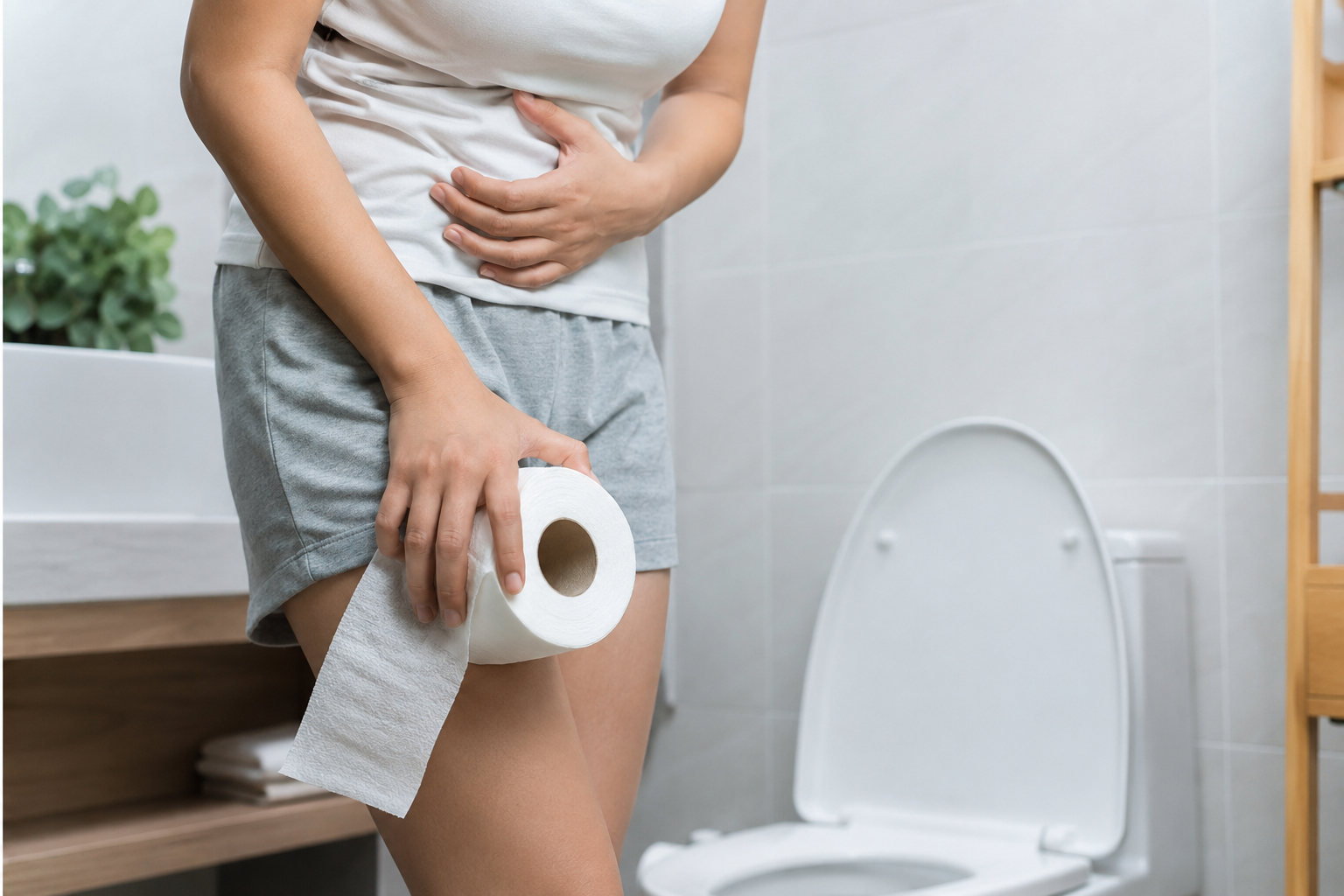
2. The Reflex Can Be Stronger After Larger Meals
The gastrocolic response can be influenced by how much you eat.
A larger meal can produce stronger gastrointestinal stimulation.
You may notice the urge particularly after:
-
Large breakfasts
-
Heavy lunches
-
Big dinners
-
High-calorie meals
This doesn't necessarily indicate a digestive disorder.
If you feel fine otherwise and your bowel movements are normal, it's often simply how your digestive system responds to eating.
3. Certain Foods and Drinks Can Trigger It More Strongly
Not every meal affects your intestines in exactly the same way.
Some foods and beverages can stimulate bowel activity more noticeably.
These may include:
-
Coffee
-
Fatty foods
-
Spicy foods
-
Large meals
-
High-fiber foods
-
Certain dairy products in sensitive people
Coffee is especially interesting because caffeine can stimulate the digestive tract in some people.
Some people notice an urge to poop shortly after their morning coffee, particularly when coffee is combined with breakfast.
4. Coffee Can Make You Poop
If your daily routine looks like:
Wake up → drink coffee → eat breakfast → use the bathroom
there may be nothing unusual happening.
Coffee can stimulate colon activity, and both caffeinated and decaffeinated coffee may affect bowel movements in some people.
The warm beverage, digestive hormones, caffeine, and the gastrocolic reflex may all contribute.
If coffee reliably triggers diarrhea rather than simply a normal bowel movement, however, you may want to reduce your intake or discuss the pattern with a healthcare professional.
5. Your Morning Routine May Be Training Your Body
The digestive system responds to routine.
If you eat breakfast around the same time every day and consistently use the bathroom afterward, your body may develop a predictable pattern.
This can actually be helpful.
A consistent routine can make bowel movements easier to anticipate and may support regular bowel habits.
There's no need to resist a normal urge simply because it happens soon after eating.
6. Eating Can Trigger Bowel Movements Even If You Haven't Eaten Much
The colon contains stool from previous meals.
When you eat, the gastrointestinal tract doesn't simply wait for the new food to reach the colon.
Instead, the digestive system communicates through nerves and hormones.
Your new meal can stimulate movement of material that is already in the large intestine.
That's why you can need to poop within minutes of eating even though the food you just swallowed hasn't traveled anywhere near your colon yet.
7. Stress and Anxiety Can Make the Urge Stronger
The brain and digestive system are closely connected through the gut-brain axis.
Stress can influence:
-
Intestinal contractions
-
Bowel urgency
-
Sensitivity to abdominal sensations
-
Stool consistency
Some people notice an immediate urge to poop before:
-
Exams
-
Meetings
-
Travel
-
Public speaking
-
Important events
If you experience diarrhea or urgent bowel movements mainly during stressful situations, the gut-brain connection may be contributing.
8. Irritable Bowel Syndrome Can Cause Post-Meal Urgency
People with irritable bowel syndrome (IBS) may have an especially strong gastrocolic response.
IBS can involve:
-
Abdominal pain
-
Bloating
-
Diarrhea
-
Constipation
-
Alternating diarrhea and constipation
-
Urgency to have a bowel movement
Some people with IBS notice symptoms shortly after eating.
Food doesn't necessarily cause IBS itself, but certain foods can trigger symptoms in individual people.
Keeping a food-and-symptom diary can sometimes help identify patterns.
9. Lactose Intolerance May Be Responsible
If you frequently need to poop after consuming dairy products, lactose intolerance could be a possibility.
People with lactose intolerance have difficulty digesting lactose, the sugar naturally found in milk and many dairy products.
Symptoms may include:
-
Diarrhea
-
Bloating
-
Gas
-
Abdominal discomfort
-
Urgency
Symptoms typically occur after consuming lactose-containing foods.
If you notice a consistent relationship between dairy and bowel symptoms, discuss it with a healthcare professional rather than eliminating major food groups unnecessarily.
10. Certain Artificial Sweeteners Can Have a Laxative Effect
Some sugar alcohols can cause digestive symptoms when consumed in larger amounts.
Examples include:
-
Sorbitol
-
Mannitol
-
Xylitol
-
Erythritol
These ingredients can appear in:
-
Sugar-free candy
-
Chewing gum
-
Low-sugar desserts
-
Some protein products
-
Certain beverages
Sensitive individuals may experience:
-
Gas
-
Bloating
-
Loose stools
-
Diarrhea
If you notice digestive problems after eating "sugar-free" products, check the ingredient list.

11. A High-Fiber Diet Can Change Your Bowel Habits
Fiber is important for digestive health.
It can help support regular bowel movements and improve stool consistency.
But if you suddenly increase your fiber intake dramatically, you may experience:
-
Gas
-
Bloating
-
Abdominal discomfort
-
More frequent bowel movements
Good sources of fiber include:
-
Vegetables
-
Fruits
-
Beans
-
Lentils
-
Whole grains
-
Nuts
-
Seeds
Increase fiber gradually and drink adequate fluids.
12. Spicy or Fatty Foods May Trigger Urgency
Some people are particularly sensitive to spicy or high-fat meals.
These foods can stimulate gastrointestinal activity and, in certain people, may contribute to loose stools or urgency.
If you consistently notice:
Spicy meal → abdominal discomfort → urgent bowel movement
you may benefit from reducing the amount or identifying your personal tolerance.
There is no universal list of foods that everyone with digestive symptoms needs to avoid.
13. Food Intolerances Can Cause Frequent Bowel Movements
Besides lactose, people can experience digestive symptoms from a variety of foods.
Possible triggers include:
-
Certain carbohydrates
-
Large amounts of fructose
-
High-fat foods
-
Certain fermentable carbohydrates
People with IBS may be particularly sensitive to FODMAPs, a group of fermentable carbohydrates found in many foods.
A low-FODMAP diet can help some people with IBS, but it is restrictive and is best approached with guidance from a qualified healthcare professional or dietitian.
14. Your Gut Microbiome May Influence Digestion
The digestive tract contains trillions of microorganisms collectively known as the gut microbiome.
These microorganisms participate in digestion and interact with the immune system and intestinal environment.
Changes in the gut microbiome can occur after:
-
Antibiotic treatment
-
Dietary changes
-
Gastrointestinal infections
-
Illness
These changes may temporarily affect bowel habits.
However, the microbiome is complex, and claims that one specific food or supplement can "reset" it should be viewed cautiously.
15. A Recent Stomach Bug Could Change Your Bowel Habits
After a gastrointestinal infection, some people experience temporary changes in digestion.
You may notice:
-
More frequent stools
-
Loose stools
-
Bloating
-
Increased urgency
-
Food sensitivity
These symptoms can gradually improve as the digestive system recovers.
If diarrhea persists or becomes severe, medical evaluation may be necessary.
16. Some Medications Can Affect Bowel Movements
Certain medications can change bowel habits.
Depending on the medication, they may cause:
-
Diarrhea
-
Constipation
-
Urgency
-
Abdominal discomfort
Examples can include some:
-
Antibiotics
-
Magnesium-containing products
-
Diabetes medications
-
Laxatives
-
Certain supplements
If your bowel habits changed after starting a new medication, tell your doctor or pharmacist.
Don't stop a prescribed medication without professional advice.
17. Is It Normal to Poop After Every Meal?
It can be.
There is no single "normal" number of bowel movements that applies to everyone.
Some healthy people poop several times a day, while others go less frequently.
More important than the exact number is whether the pattern is:
Consistent for you
Comfortable
Not associated with concerning symptoms
If you've always had a bowel movement after meals and your stool looks normal, you may simply have a strong gastrocolic reflex.
When Is Frequent Pooping a Problem?
The situation deserves more attention when the change is new, persistent, or disruptive.
Consider medical evaluation if you develop:
-
Persistent diarrhea
-
Blood in the stool
-
Black or tarry stools
-
Unexplained weight loss
-
Persistent abdominal pain
-
Fever
-
Repeated nighttime diarrhea
-
Severe urgency
-
Signs of dehydration
-
Significant changes in bowel habits
These symptoms can have many causes and shouldn't automatically be attributed to diet.
What Does Diarrhea Look Like?
Frequent bowel movements aren't necessarily diarrhea.
Diarrhea generally means stools are loose or watery and occur more frequently than is normal for you.
For example:
Having three formed bowel movements in one day isn't necessarily diarrhea.
Having repeated watery stools several times a day is more concerning.
The consistency of the stool matters, not just the number of trips to the bathroom.
What If You Need to Poop Immediately After Every Meal?
Start by looking for patterns.
Keep a simple diary for one to two weeks.
Record:
-
What you ate
-
What you drank
-
When you ate
-
When you had a bowel movement
-
Stool consistency
-
Abdominal pain
-
Bloating
-
Stress level
You may discover that the urgency is strongest after:
-
Coffee
-
Dairy
-
Spicy food
-
Large meals
-
Fatty meals
-
Sugar-free products
This information can be very useful if you eventually discuss the problem with a healthcare professional.
Don't Automatically Blame "Poor Digestion"
Having a bowel movement after eating doesn't necessarily mean your digestion is weak.
In fact, the gastrocolic reflex is a normal physiological response.
The digestive system is designed to respond to food entering the stomach.
The problem is more likely when the response becomes excessive, painful, urgent, or associated with abnormal stool.
How Can You Reduce Post-Meal Urgency?
If the symptoms are mild, a few simple changes may help.
Eat Smaller Meals
Large meals can trigger stronger gastrointestinal contractions.
Try spreading food across several moderate meals if appropriate.
Slow Down While Eating
Eating quickly may contribute to digestive discomfort in some people.
Take time to chew thoroughly and eat without rushing.
Watch Your Coffee Intake
If coffee reliably triggers urgency, experiment with reducing the amount or changing when you drink it.
Increase Fiber Gradually
Fiber is beneficial, but sudden increases can cause gas and changes in bowel habits.
Stay Hydrated
Adequate fluid intake supports normal digestion.
If you're experiencing diarrhea, replacing lost fluids becomes particularly important.
Manage Stress
If urgency is strongly linked to anxiety, stress management may help.
Consider:
-
Walking
-
Breathing exercises
-
Meditation
-
Regular exercise
-
Adequate sleep
Should You Hold It In?
If you have a normal urge to have a bowel movement, there generally isn't a reason to repeatedly suppress it.
Ignoring the body's signals may contribute to constipation in some people.
Instead, try to establish a comfortable bathroom routine.
What If You Wake Up at Night to Poop?
Occasionally waking because of bowel urgency can happen.
But persistent nighttime diarrhea or repeated nighttime bowel movements deserve more attention than a normal urge after breakfast or lunch.
If diarrhea regularly wakes you from sleep, contact a healthcare professional.
Could Frequent Bowel Movements Mean a Serious Disease?
Sometimes, but don't jump to the worst conclusion.
Frequent bowel movements can result from:
-
Diet
-
Caffeine
-
Food intolerance
-
IBS
-
Medication
-
Infection
-
Stress
More serious gastrointestinal conditions can also cause changes in bowel habits.
That's why persistent or concerning symptoms should be evaluated rather than self-diagnosed.
Signs You Shouldn't Ignore
Seek medical attention if frequent bowel movements are accompanied by:
Blood in the stool
This can have several causes, some of which require prompt evaluation.
Black, tarry stools
These can indicate bleeding higher in the digestive tract and should be assessed urgently.
Unexplained weight loss
Especially when combined with persistent diarrhea or abdominal symptoms.
Severe abdominal pain
Persistent or severe pain shouldn't be dismissed as ordinary digestion.
Fever
Fever combined with diarrhea may indicate infection or inflammation.
Dehydration
Watch for:
-
Extreme thirst
-
Dry mouth
-
Dizziness
-
Weakness
-
Reduced urination
Severe dehydration requires prompt medical attention.
The Gut-Brain Connection Is Real
Your digestive system and nervous system communicate constantly.
This is one reason stress can affect your bowel habits so quickly.
Have you ever suddenly needed the bathroom before an important event?
That's not necessarily "all in your head."
The nervous system can influence intestinal movement, sensitivity, and urgency.
For some people, reducing stress can noticeably improve digestive symptoms.
What Is a Healthy Bowel Movement?
There is considerable individual variation.
Generally, healthy stool is:
-
Soft but formed
-
Relatively easy to pass
-
Brown in color
-
Not consistently painful to pass
The Bristol Stool Form Scale is sometimes used by healthcare professionals to describe stool consistency.
Persistent watery stools or very hard stools may indicate that something needs attention.
A Simple Digestive Health Routine
Morning
Drink fluids and eat a balanced breakfast if you normally do so.
If you feel the urge to use the bathroom, give yourself enough time rather than rushing.
During the Day
Eat a varied diet containing appropriate amounts of fiber.
Stay physically active.
At Meals
Eat at a comfortable pace.
Notice which foods trigger symptoms.
Evening
Avoid excessive amounts of foods or drinks that consistently cause digestive problems.
Prioritize adequate sleep.
When to Talk to a Doctor
Make an appointment if your bowel habits have changed and the change:
-
Persists for several weeks
-
Is getting worse
-
Interferes with work or daily activities
-
Causes significant urgency
-
Is associated with diarrhea
-
Comes with unexplained weight loss
-
Is accompanied by blood or black stools
-
Causes persistent abdominal pain
Your healthcare professional may review your diet, medications, medical history, and symptoms and determine whether testing is needed.
11 Things to Remember
1. Pooping after eating can be normal.
The gastrocolic reflex naturally stimulates the colon after meals.
2. The food you just ate isn't necessarily what you're passing.
The meal can stimulate movement of stool already present in the colon.
3. Large meals may trigger stronger contractions.
Meal size can influence the gastrocolic response.
4. Coffee can stimulate bowel activity.
This is particularly noticeable for some people in the morning.
5. Stress can increase urgency.
The brain and digestive system are closely connected.
6. IBS can cause post-meal urgency.
Especially when accompanied by abdominal pain and changes in stool consistency.
7. Food intolerances can contribute.
Dairy and certain carbohydrates are common examples.
8. Medications can change bowel habits.
Review new medications or supplements with a healthcare professional.
9. Frequent bowel movements aren't automatically diarrhea.
Stool consistency matters.
10. A stable personal pattern is usually less concerning.
A long-standing habit without other symptoms may simply reflect your normal physiology.
11. New or concerning changes deserve evaluation.
Blood, unexplained weight loss, severe pain, persistent diarrhea, fever, or nighttime symptoms should not be ignored.
The Bottom Line
If you always need to poop after eating, it doesn't necessarily mean something is wrong with your digestive system.
For many people, the explanation is the gastrocolic reflex—a normal response in which eating stimulates the colon to contract.
The effect may be stronger after large meals, coffee, or certain foods. Stress can also increase bowel urgency, while conditions such as IBS, food intolerances, infections, or medication effects can cause more persistent symptoms.
The key is to pay attention to what is normal for you.
If you've always had a bowel movement after breakfast and feel perfectly well, there's usually little reason to worry.
But if the pattern is new, increasingly urgent, or accompanied by diarrhea, blood in the stool, abdominal pain, unexplained weight loss, fever, dehydration, or nighttime symptoms, it's time to speak with a healthcare professional.
Final Thoughts
Your digestive system is constantly responding to what you eat, when you eat, and how your body is feeling.
So if you finish a meal and suddenly feel the need to use the bathroom, your body may simply be doing what it was designed to do.
Eating can activate the colon - even though the food itself hasn't reached the large intestine yet.
Instead of automatically assuming that something is wrong, look at the bigger picture: your stool consistency, frequency, diet, medications, stress levels, and whether anything has recently changed.
A predictable bathroom trip after a meal can be perfectly normal. A sudden and persistent change in bowel habits is what deserves closer attention.