Why Do Some People Need to Go to the Bathroom Right After Eating? Here’s the Real Explanation
It feels sudden — you just ate, and within minutes your body says: “bathroom, now.”
Sounds weird, but it’s actually very common.
👉 In many cases, it’s not a problem — it’s your digestive system working as designed.
The Key Reason: The Gastrocolic Reflex
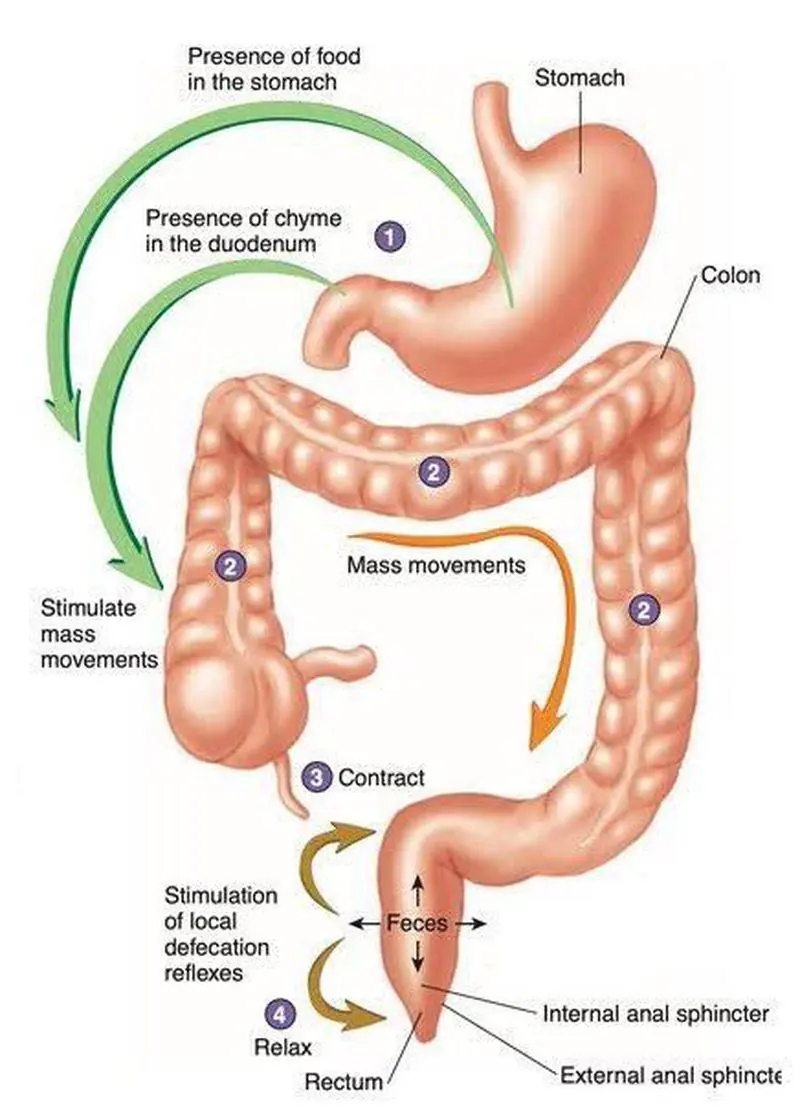
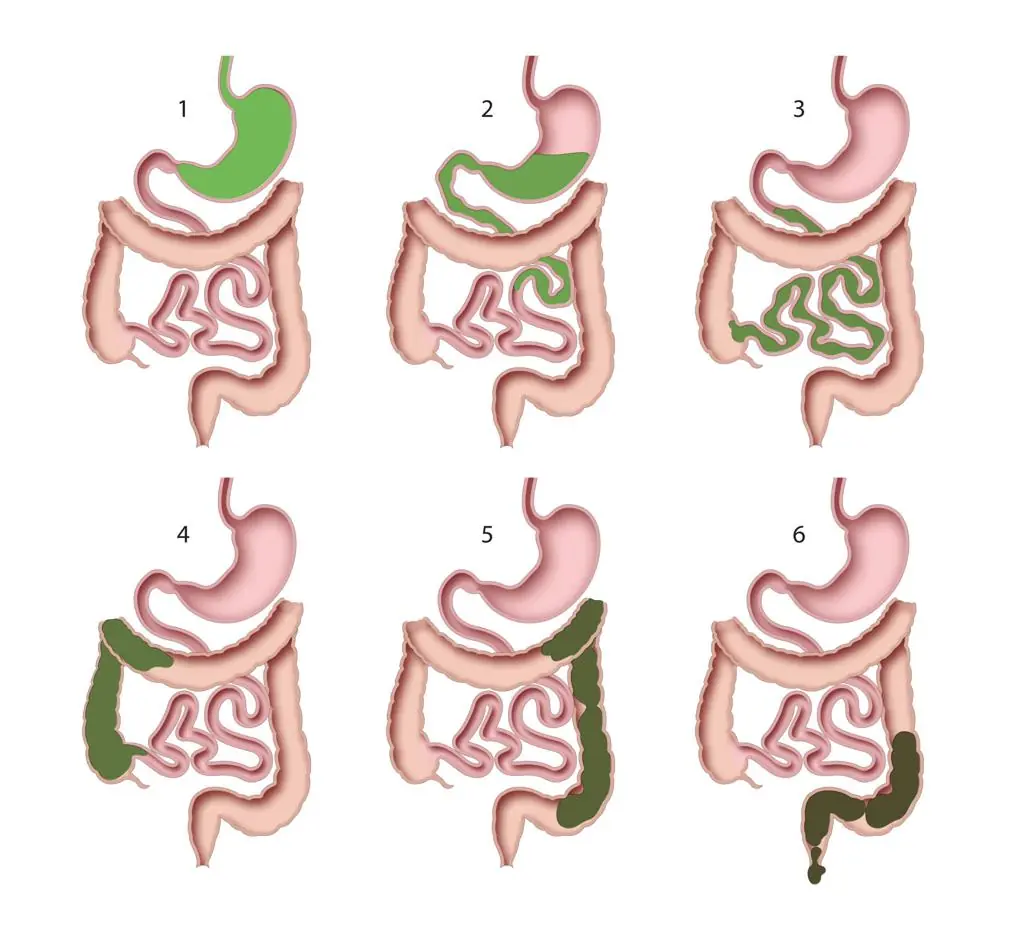
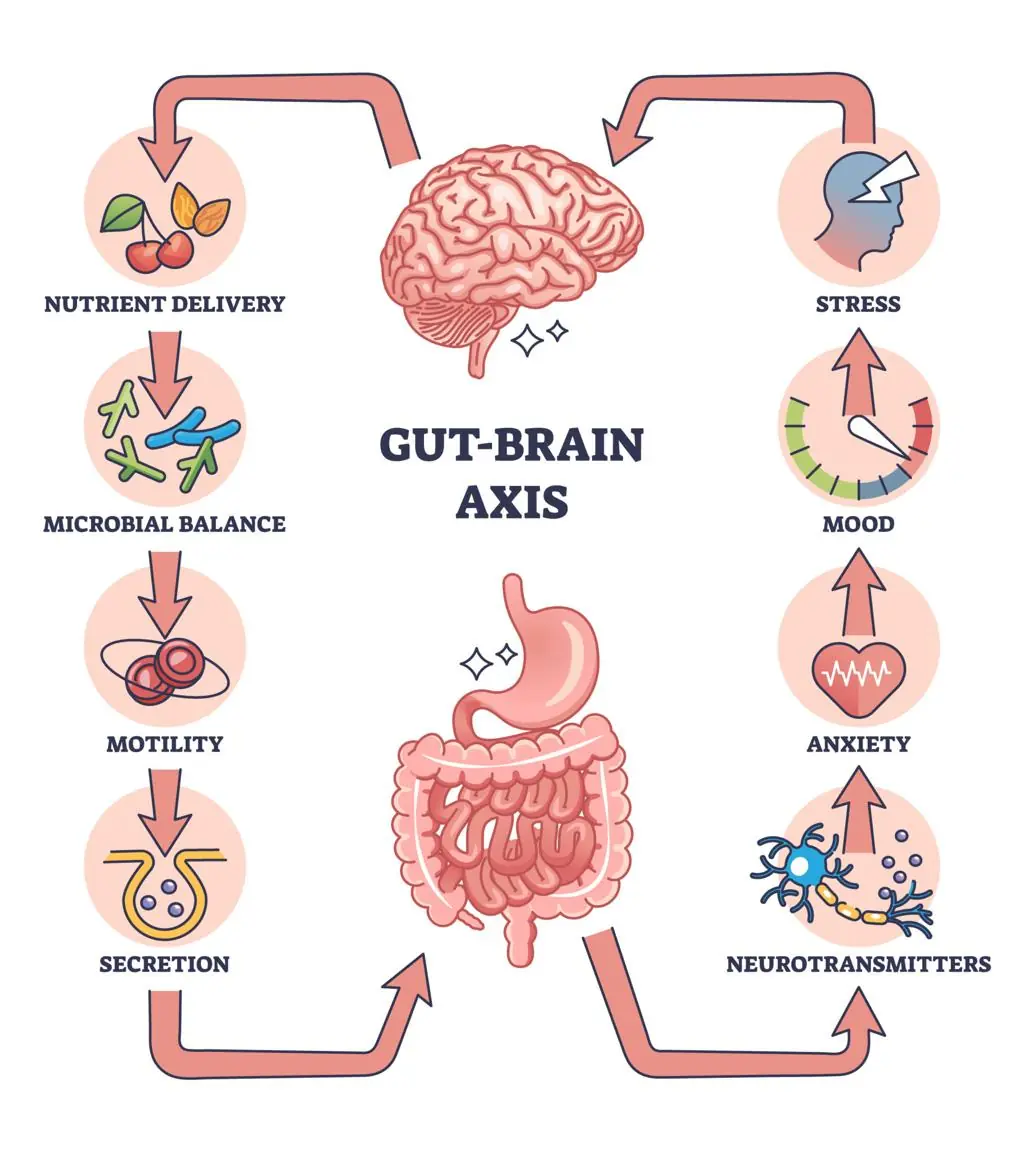
6
When you eat, your body activates something called the gastrocolic reflex.
What it does:
- Signals your colon to contract
- Makes room for incoming food
- Pushes existing waste toward exit
👉 So the urge isn’t from the food you just ate —
it’s your body clearing what was already there.
Why Some People Feel It More Strongly
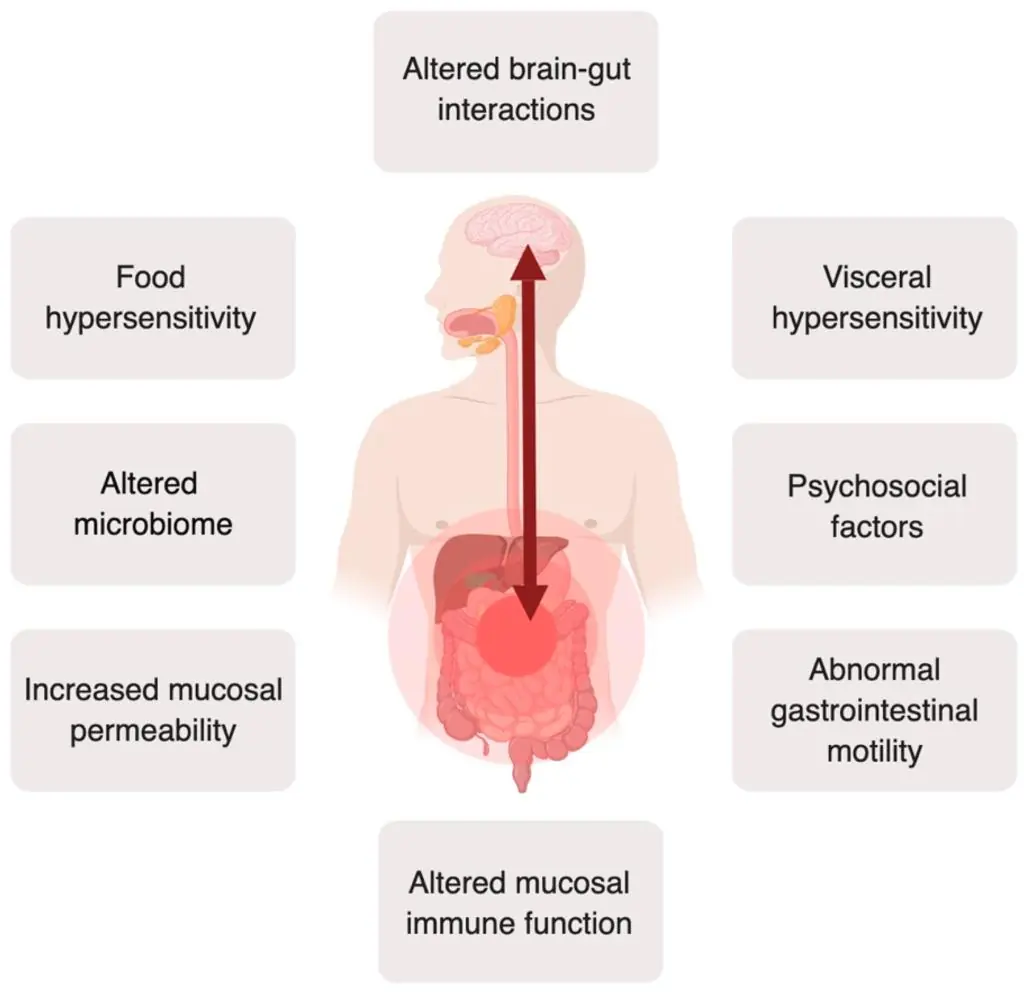
6
1. Sensitive Gut (IBS)
- Stronger-than-normal reflex
- Leads to urgent bathroom trips
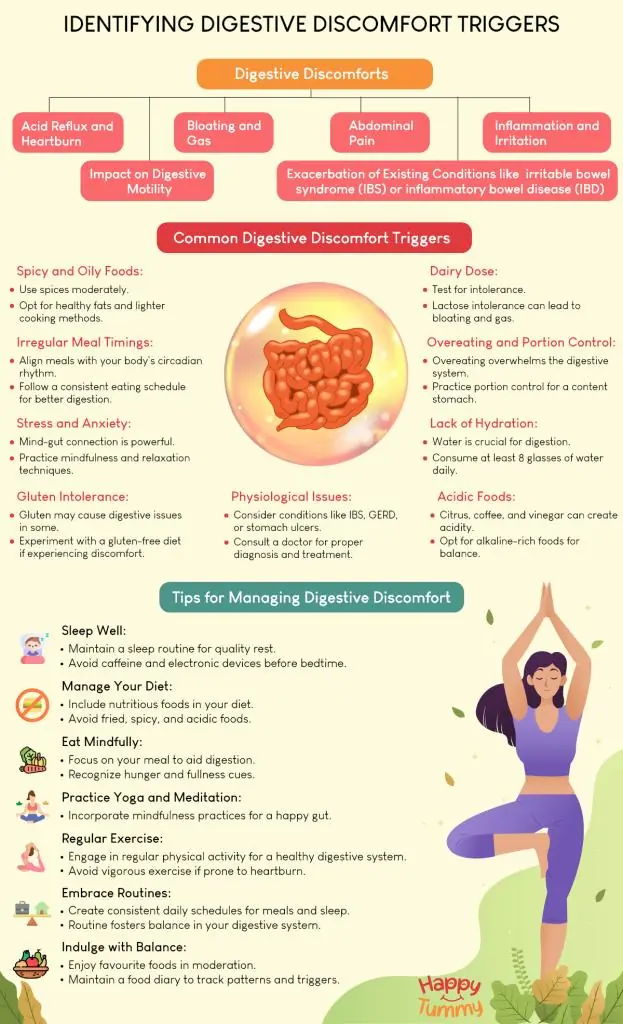
2. Certain Foods Trigger It
- Coffee ☕
- Fatty or spicy foods
- Large meals
👉 These stimulate the gut more intensely.
3. Stress & Anxiety
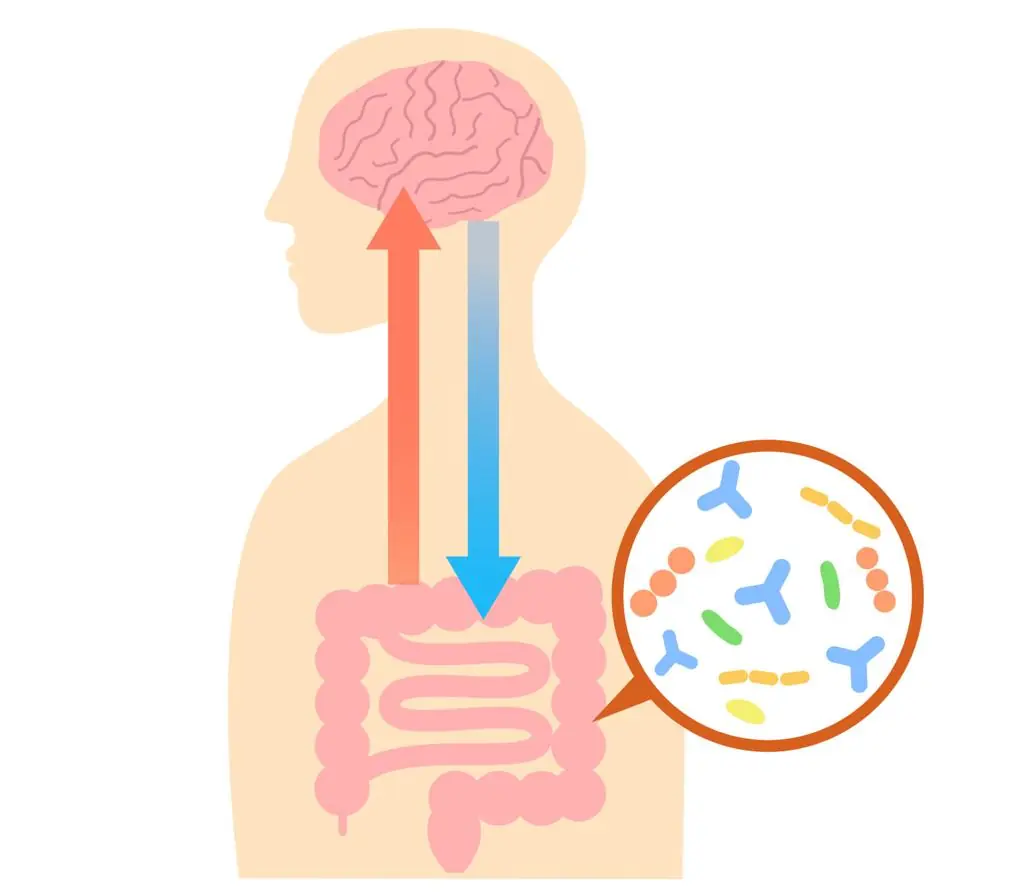
- Your gut and brain are connected
- Stress can speed up digestion signals
4. Hormonal Differences
- Some people naturally have a more active digestive reflex
Is It a Problem?
👉 Usually NO, if:
- It happens occasionally
- No pain or discomfort
- Stool is normal
🚨 When It Might Be a Concern
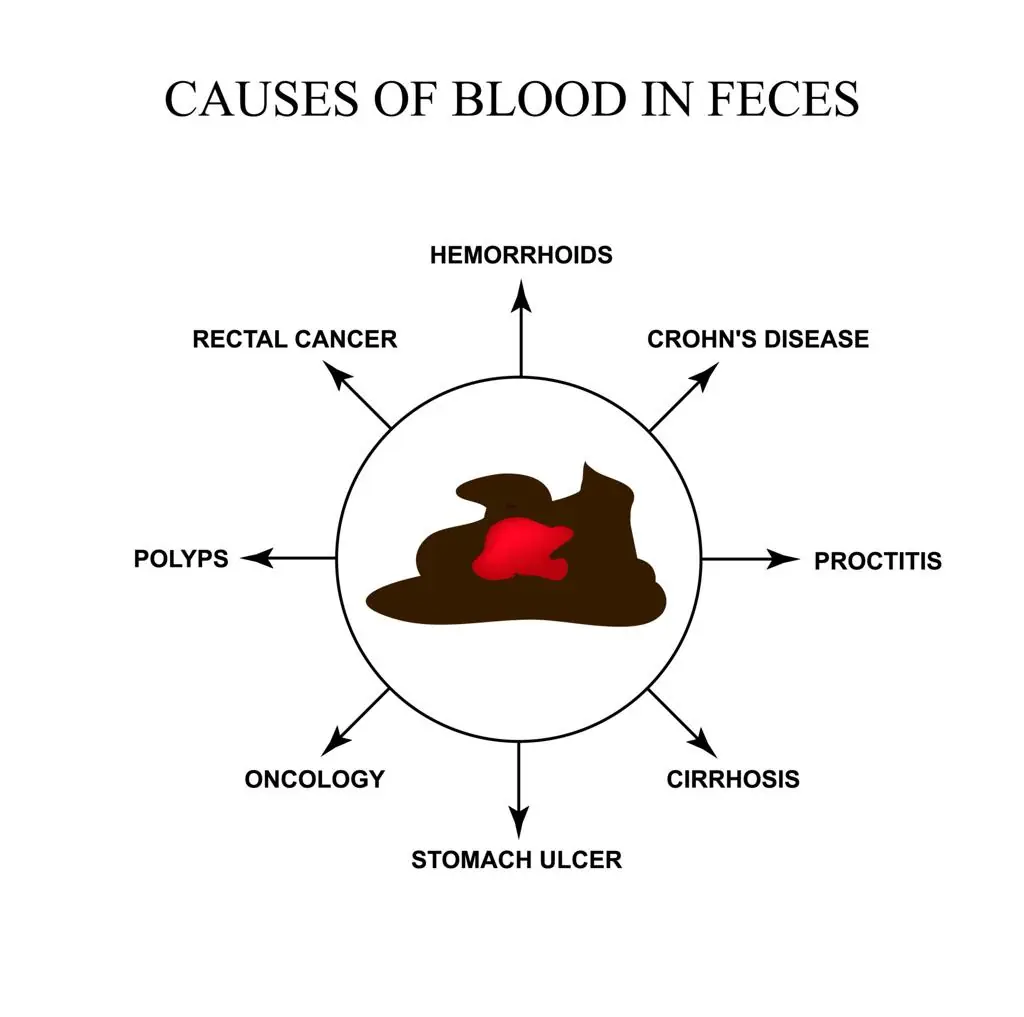
8
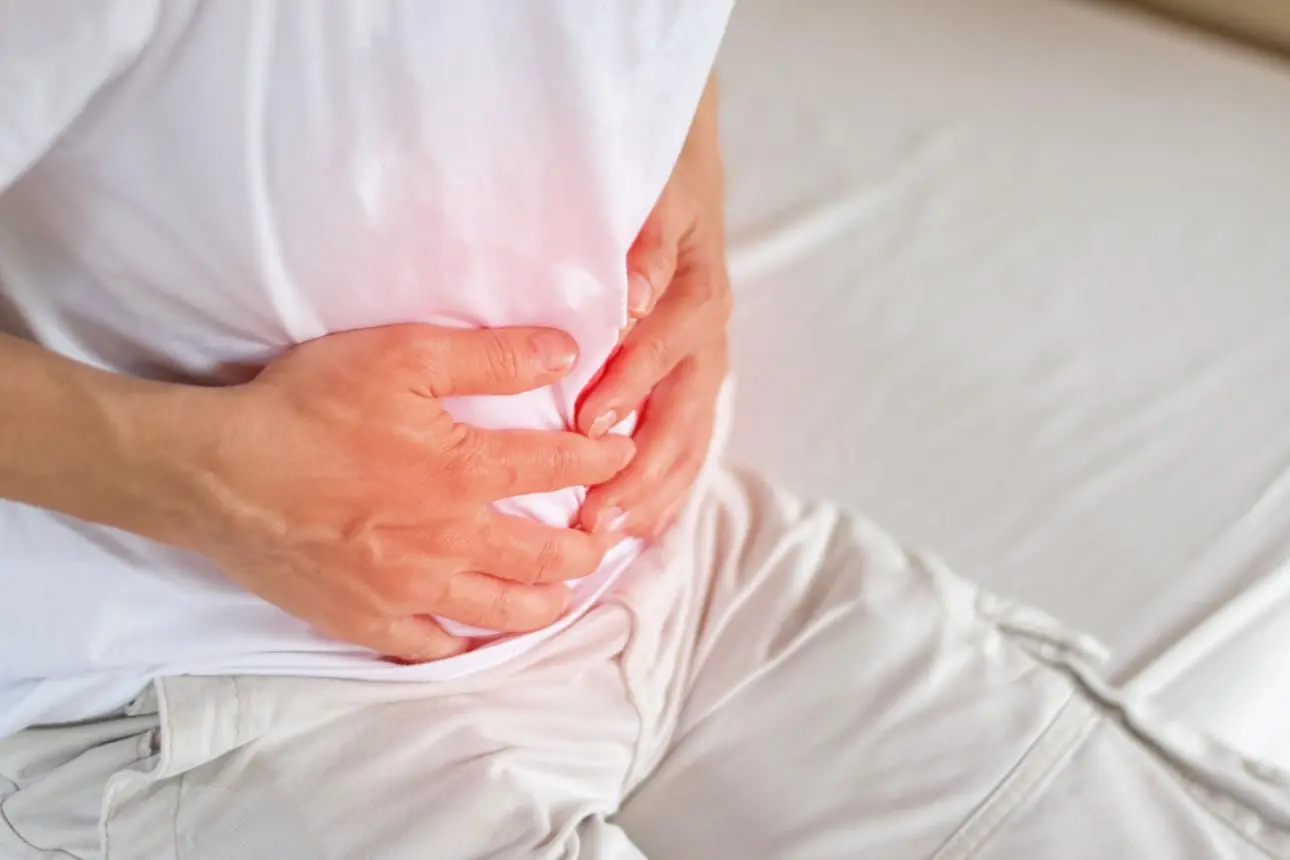
You should pay attention if it comes with:
- Frequent diarrhea
- Abdominal pain or cramping
- Blood in stool
- Unexplained weight loss
👉 Then it could be:
- IBS
- Food intolerance
- Gut inflammation
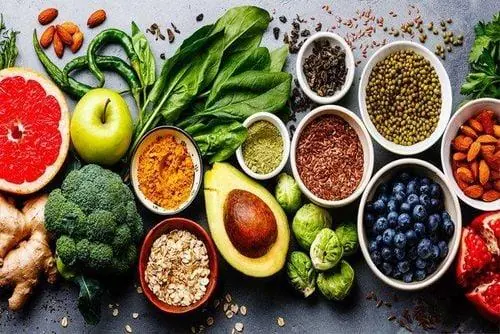
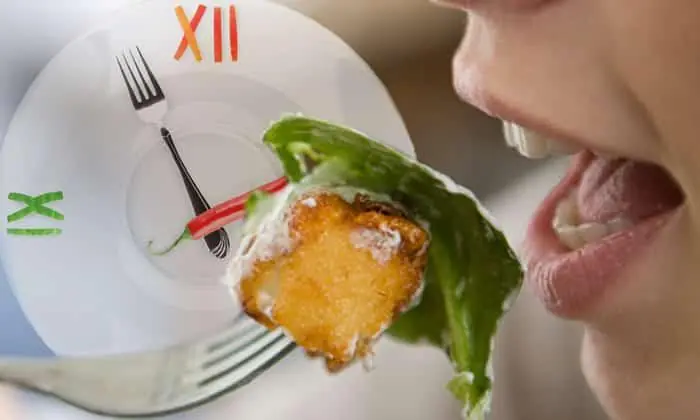
How to Manage It
6
- Eat smaller, balanced meals
- Reduce trigger foods (coffee, greasy food)
- Eat slowly
- Manage stress
Final Thought
Needing the bathroom after eating isn’t strange — it’s biology.
For most people:
👉 It’s just a strong but normal reflex
Only becomes a problem when:
👉 It’s frequent, urgent, and comes with other symptoms
Why Do Some People Need to Go to the Bathroom Right After Eating? The Science Behind the Gastrocolic Reflex
Have you ever finished a meal, put down your fork, and suddenly felt an urgent need to use the bathroom? Perhaps it happens after breakfast, after drinking coffee, or almost every time you eat a large meal.
For some people, the sensation is so predictable that they automatically look for the nearest restroom whenever they sit down to eat.
It may seem as though food is passing through the digestive system unusually quickly. But that is usually not what is happening.
In many cases, the explanation is a normal digestive process called the gastrocolic reflex. It is one of the ways your body coordinates eating with bowel movements. When food enters your stomach, signals travel through the nervous system and digestive hormones, encouraging the colon to move its existing contents forward.
This explains why the urge to have a bowel movement can appear within minutes of eating, even though the food you just swallowed has not yet traveled through your entire digestive tract.
However, the reflex does not feel the same for everyone. Some people barely notice it, while others experience strong contractions, abdominal rumbling, cramping, or sudden urgency.
Understanding how this reflex works can help you distinguish normal digestion from symptoms that deserve medical attention.
1. The Gastrocolic Reflex: Your Digestive System's Natural Response to Food
The gastrocolic reflex is a normal physiological response that occurs when food or liquid enters the stomach.
The word itself gives us a clue:
-
Gastro refers to the stomach.
-
Colic refers to the colon.
In simple terms, it describes the communication between the stomach and the large intestine after eating.
When your stomach expands as it receives food, it sends signals that encourage the colon to increase its movement. These contractions help move stool that is already in the large intestine toward the rectum.
This is why you may feel the urge to use the bathroom shortly after a meal.
What happens inside your body?
The process involves several coordinated steps.
Step 1: Food enters your stomach.
As you eat, your stomach stretches to accommodate the incoming food. This physical expansion activates nerve pathways involved in digestion.
Step 2: Your digestive system sends signals.
Signals travel through the nervous system, while digestive hormones and other chemical messengers also contribute to changes in intestinal activity.
Step 3: The colon becomes more active.
The large intestine responds with contractions that help move existing stool along its normal pathway.
Step 4: You feel the urge to have a bowel movement.
If stool reaches the rectum, the rectum stretches and sends signals to your brain. You may then experience the familiar feeling that it is time to visit the bathroom.
The entire process can begin soon after eating.
Does the food you just ate come out immediately?
No.
This is one of the most common misunderstandings about post-meal bowel movements.
Food generally takes many hours to travel through the digestive tract. The time varies considerably depending on the individual, the meal, gut function, and other factors.
When you need to use the bathroom shortly after eating, the stool being passed is usually material that was already in your colon before the meal.
Think of it like a queue.
When something new enters the beginning of a line, the items already waiting farther along may move forward. The new item does not magically jump to the front.
Your digestive system works in a similarly coordinated way.