Warning Signs of an Aneurysm: Don’t Ignore These Life-Threatening Symptoms
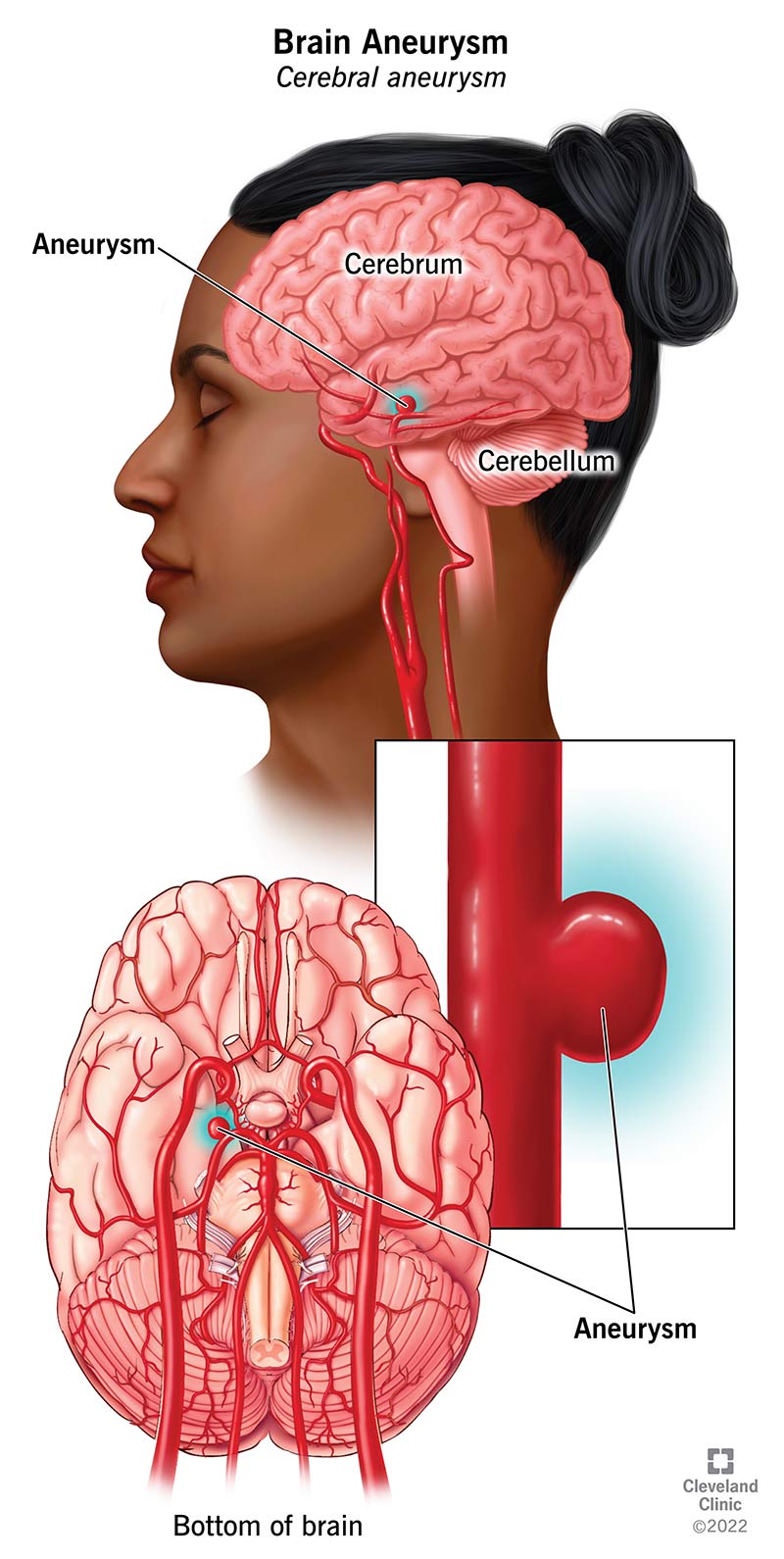
An aneurysm is a silent but dangerous condition—often developing without symptoms until it becomes critical. It occurs when a blood vessel wall weakens and bulges, creating a risk of rupture. When that rupture happens, it can lead to internal bleeding, stroke, or even death within minutes.
The key? Recognizing early warning signs before it’s too late.
What Exactly Is an Aneurysm?


An aneurysm can occur in different parts of the body, but the most dangerous types include:
- Brain (cerebral aneurysm)
- Aorta (abdominal or thoracic aneurysm)
It forms when pressure causes a weakened section of a blood vessel to balloon outward. If it ruptures, it becomes a medical emergency.
Early Warning Signs (Before Rupture)
Most aneurysms don’t cause symptoms—but when they do, the body is giving a serious signal.
1. Persistent or Unusual Headaches
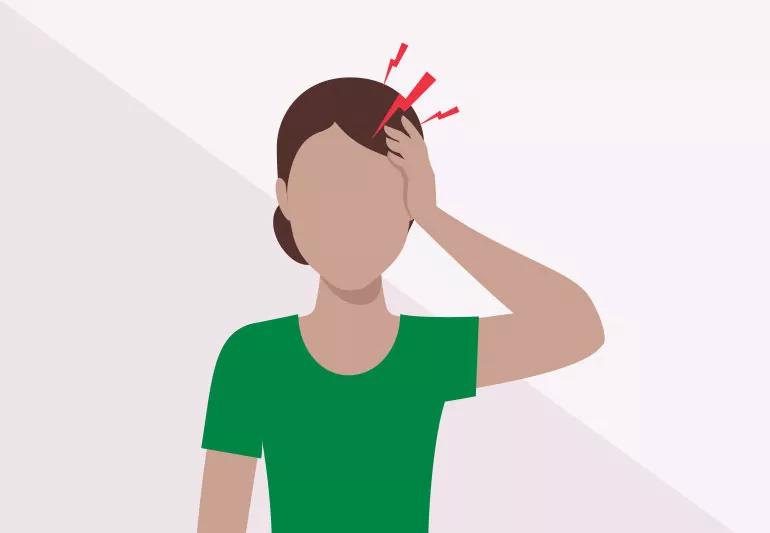

Not all headaches are equal.
Red flags:
- Pain in one specific area
- Different from usual headaches
- Increasing intensity over time
2. Vision Problems


An aneurysm pressing on nerves can cause:
- Blurred or double vision
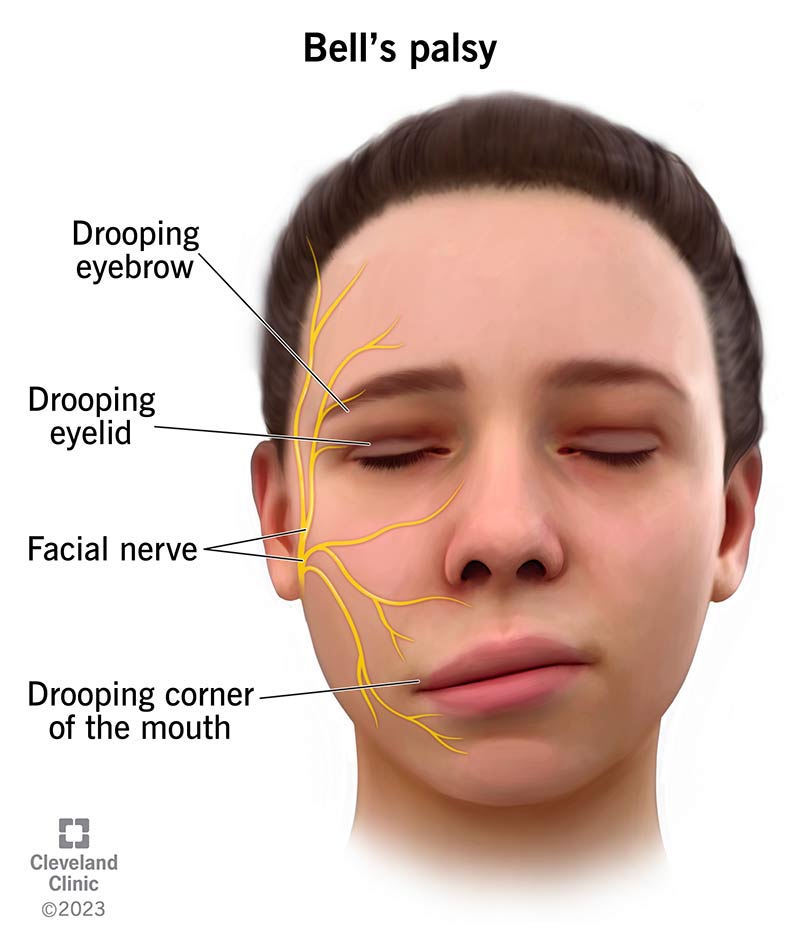
- Drooping eyelid
- Eye pain
3. Neck Pain or Stiffness
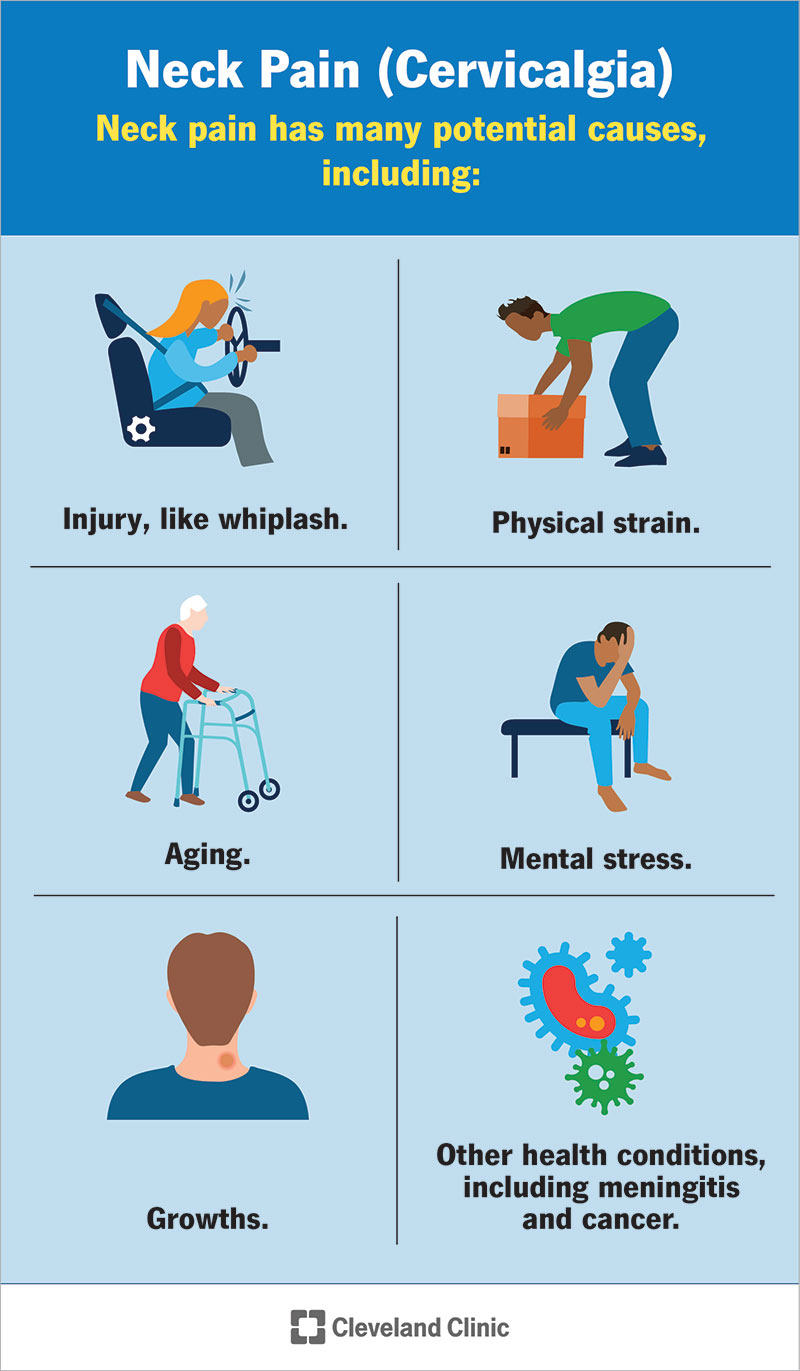
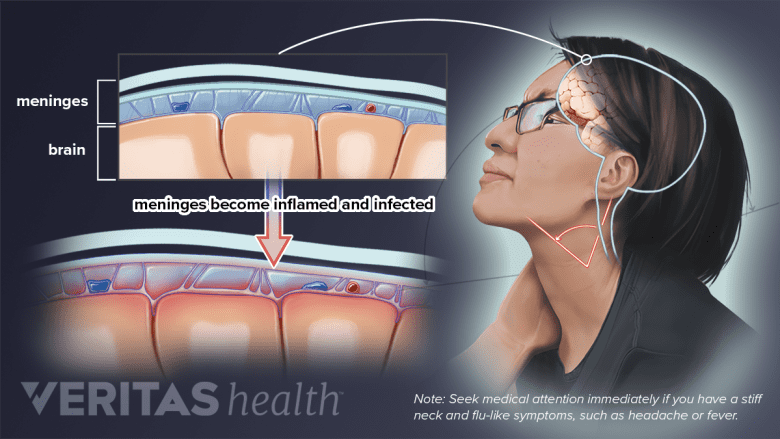

This may indicate pressure or irritation near the brain or spinal cord.
4. Numbness or Weakness
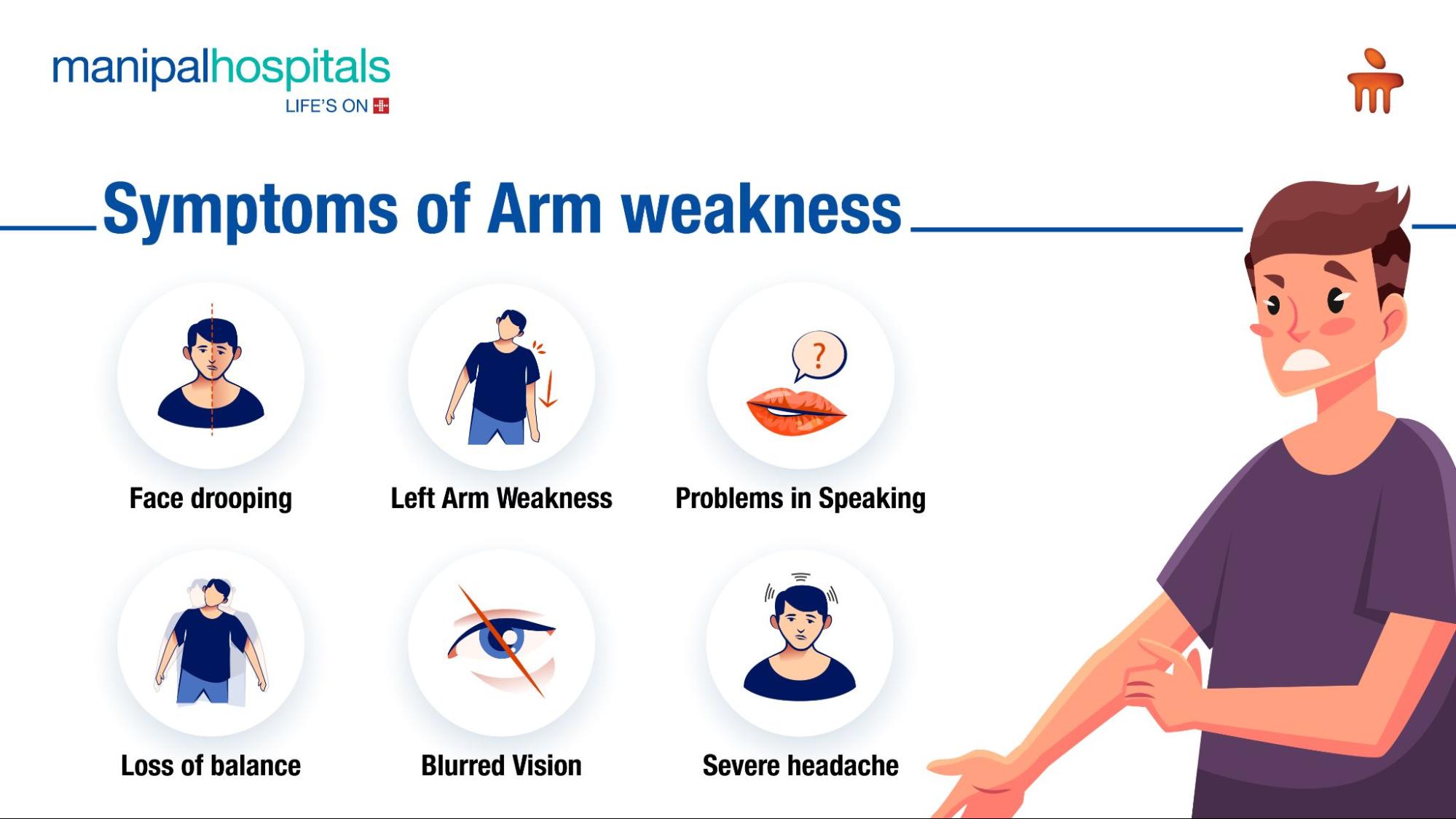

Especially concerning if it affects:
- One side of the face
- Arms or legs
5. Difficulty Speaking or Concentrating



This can signal disrupted blood flow or pressure on brain areas.
Emergency Signs (Possible Rupture)
1. Sudden “Worst Headache of Your Life”
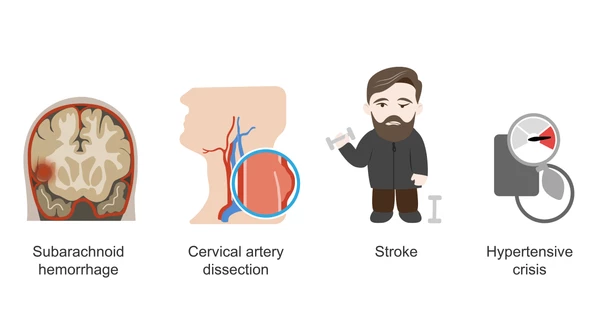

This is the classic sign of a ruptured brain aneurysm.
2. Nausea and Vomiting

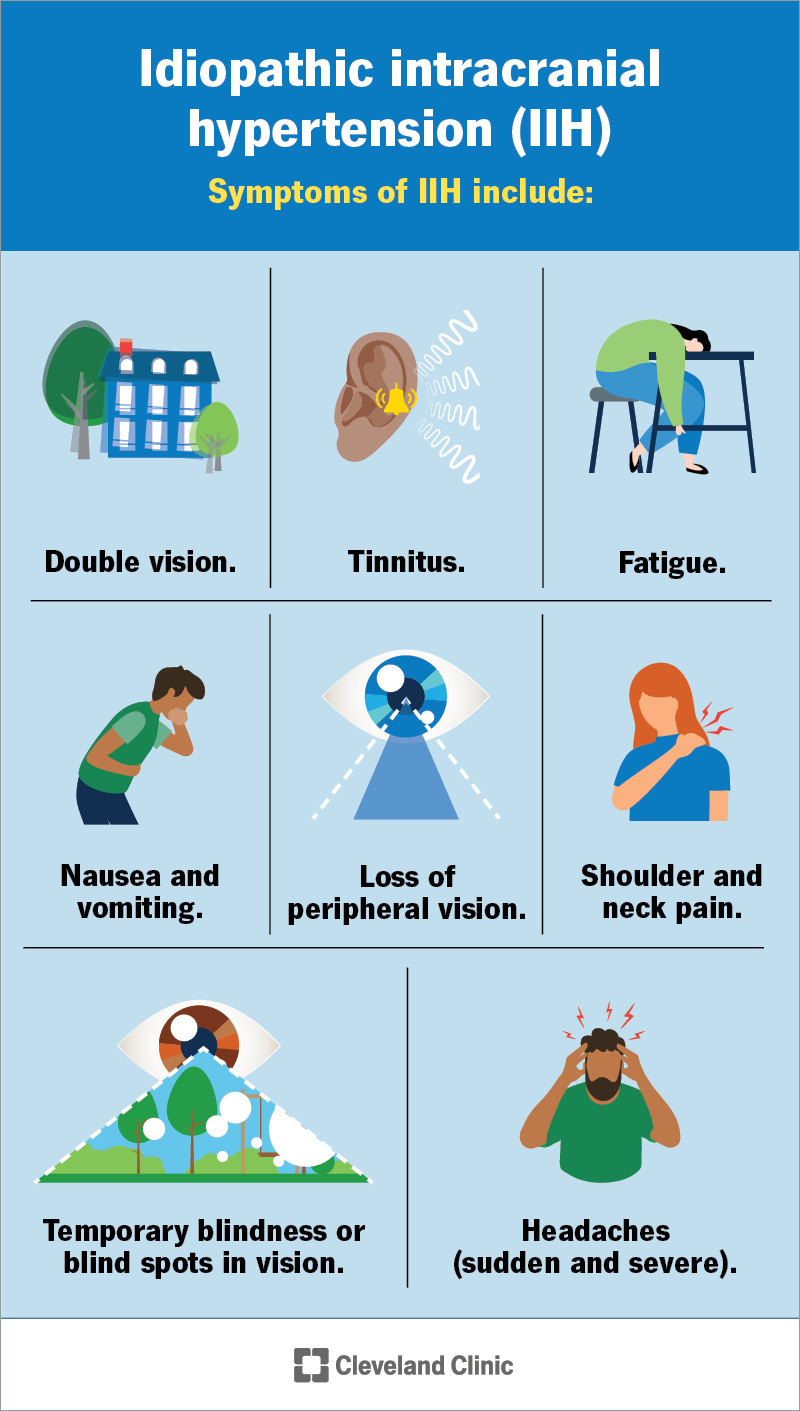

Often accompanies sudden brain bleeding.
3. Loss of Consciousness


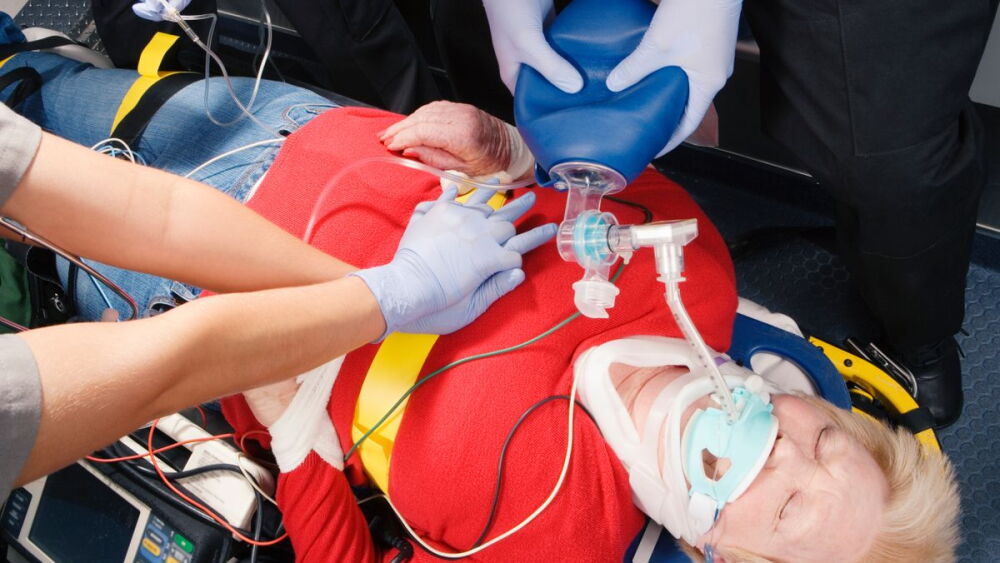
A critical sign requiring immediate medical attention.
4. Seizures


Indicates severe brain disturbance.
Who Is at Higher Risk?
- High blood pressure
- Smoking
- Family history of aneurysm
- Excessive alcohol use
- Age over 40
What You Should Do
If you notice early warning signs:
- Don’t ignore persistent or unusual symptoms
- Seek medical evaluation promptly
If emergency symptoms appear:
- Call emergency services immediately
- Time is critical—delays can be fatal
Reality Check
Not every headache or neck pain means an aneurysm.
But here’s the key difference:
Normal symptoms fade. Dangerous ones persist or escalate suddenly.
Final Thoughts
An aneurysm doesn’t always give a second chance.
The body often sends signals—but they’re easy to dismiss.
Paying attention isn’t paranoia—it’s survival awareness.