Eggs are one of the most popular foods in the world. They are affordable, versatile, easy to prepare, and packed with nutrients such as high-quality protein, choline, vitamin B12, selenium, and other essential vitamins and minerals.
But walk into almost any supermarket and you may find dozens of choices: conventional eggs, cage-free, free-range, organic, pasture-raised, brown eggs, white eggs, enriched eggs, omega-3 eggs, and more.
So, are all eggs really the same?
Not exactly—but the differences are sometimes misunderstood.
The color of an eggshell, for example, tells you very little about its nutritional value. Other differences, such as how hens are raised, what they are fed, how eggs are handled, and whether they have been pasteurized, can be more meaningful.
Rather than labeling certain eggs as universally “bad,” it makes more sense to understand what each type actually means and what you are paying for.
Here are five types or categories of eggs you may want to think twice about—or at least examine more carefully - before putting them in your shopping cart.
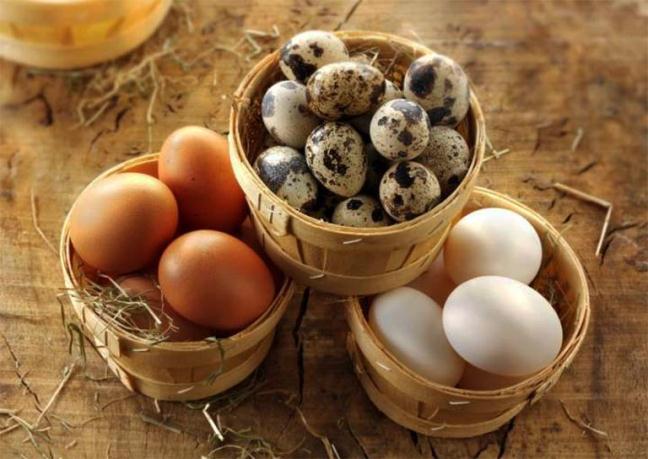
1. Eggs With Cracked or Damaged Shells
This is one category where caution is especially important.
An eggshell may look like a simple protective covering, but once it becomes cracked, bacteria can potentially enter the egg.
One of the main concerns is Salmonella, a type of bacteria that can cause foodborne illness.
A cracked egg isn't automatically contaminated, and an intact egg isn't guaranteed to be free of bacteria. However, damaged shells can increase the opportunity for contamination.
When buying eggs, look for shells that are:
-
Clean
-
Intact
-
Free from cracks
-
Free from unusual leakage
If you notice an egg has cracked after bringing it home, avoid assuming that cooking it automatically makes everything safe in every circumstance. Follow local food-safety guidance, and don't use eggs with heavily damaged shells.
Proper refrigeration and thorough cooking are also important.
What about dirty eggs?
A small amount of surface dirt doesn't necessarily mean the inside is unsafe, but eggs should be handled according to the food-safety practices recommended in your country.
In the United States, for example, commercially sold eggs are generally washed and refrigerated. In some other countries, eggs may be handled differently and are commonly stored unrefrigerated before purchase.
The important point is to follow the storage instructions associated with the eggs you purchased rather than relying on assumptions.
2. Raw or Undercooked Eggs
Raw eggs aren't necessarily a different breed or farming category, but they deserve special attention because preparation dramatically affects food safety.
Some people enjoy runny yolks, soft-boiled eggs, homemade mayonnaise, tiramisu, cookie dough, or other foods containing raw or lightly cooked eggs.
The problem is that even clean, intact eggs can occasionally contain Salmonella.
For healthy adults, the risk from a single exposure may be relatively low, but Salmonella infection can cause:
-
Diarrhea
-
Fever
-
Stomach cramps
-
Nausea
-
Vomiting
Certain people are more vulnerable to serious illness, including young children, older adults, pregnant people, and individuals with weakened immune systems.
For higher-risk individuals, using pasteurized eggs or pasteurized egg products can be a safer option when recipes call for raw or undercooked eggs.
For everyday meals, cooking eggs until both the white and yolk are firm is one straightforward way to reduce the risk.
3. Eggs That Are Poorly Stored or Past Their Recommended Date
Sometimes the biggest problem isn't the type of egg at all.
It's how the eggs were stored.
Eggs are perishable foods, and temperature control matters.
Repeatedly taking eggs out of refrigeration, leaving them at room temperature for extended periods, or storing them improperly can increase food-safety risks.
When you buy eggs, check:
-
The package date
-
The condition of the carton
-
Whether the eggs have been kept properly refrigerated when refrigeration is required
-
Whether the shells are cracked
-
Whether the package has been exposed to excessive heat
It's also a good idea to keep eggs in their original carton rather than transferring them to an uncovered container.
The carton helps protect the eggs and keeps relevant labeling information available.
Don't rely only on the smell test
A rotten egg usually has a very noticeable unpleasant odor once opened.
But foodborne pathogens don't necessarily change the smell, appearance, or taste of food.
That's why proper storage and cooking are more reliable safety practices than simply smelling an egg and deciding that it must be safe.
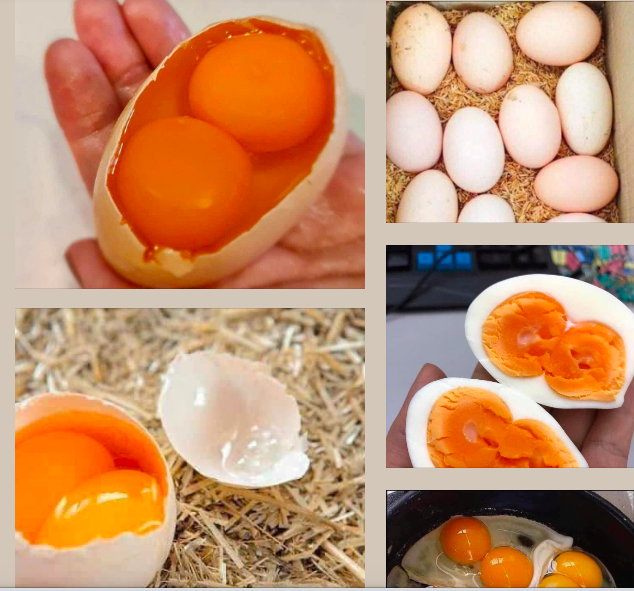
4. Eggs From Unclear or Unregulated Sources
Farm-fresh eggs can sound appealing.
You may imagine hens roaming outdoors and producing eggs that go directly from the farm to your kitchen.
Sometimes that is exactly what happens.
But “farm fresh” is not automatically a guarantee of superior safety or nutrition.
Eggs from backyard flocks, roadside sellers, farmers' markets, or informal sources may be perfectly safe when produced and handled properly. However, regulations, washing practices, refrigeration requirements, vaccination programs, and testing standards vary significantly depending on location.
If you're buying eggs directly from a small producer, consider asking:
-
How are the eggs collected?
-
How are they cleaned?
-
How are they stored?
-
Are the hens healthy?
-
How long have the eggs been stored?
-
What local food-safety rules apply?
The goal isn't to avoid locally produced eggs.
It's to know where your food comes from and how it has been handled.
5. Eggs Chosen Solely Because of Marketing Claims
This may be the most misunderstood category.
Walk through a supermarket and you'll see labels such as:
“Natural.”
“Farm fresh.”
“Cage-free.”
“Free-range.”
“Organic.”
“Pasture-raised.”
“Omega-3.”
These labels can mean very different things.
And importantly, they don't all answer the same question.
Some labels primarily describe how hens are raised. Others describe what the hens are fed or how the eggs were produced.
For example, cage-free generally means hens are not kept in conventional cages, but it doesn't necessarily mean they spend their lives outdoors.
Free-range standards can differ depending on the country and certification system.
Organic eggs come from hens raised under organic production standards, but the exact requirements depend on the applicable regulations.
Pasture-raised generally refers to access to pasture, but definitions and certification requirements can vary.
What about brown eggs?
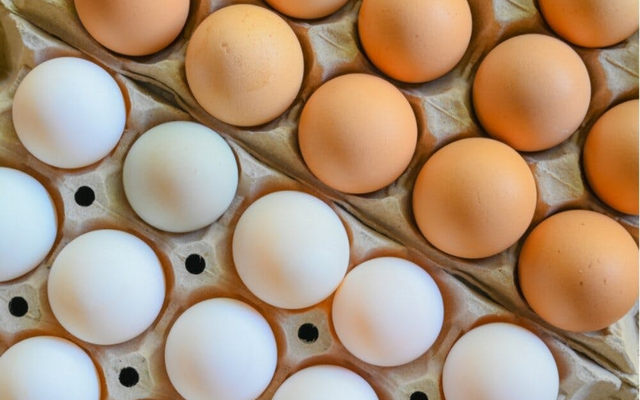
Brown eggs often look more “natural” to consumers, but shell color doesn't automatically make an egg healthier.
Brown and white eggs can have very similar nutritional profiles.
The color primarily reflects the breed of the hen.
In other words:
Brown doesn't automatically mean healthier, and white doesn't automatically mean lower quality.
What About Omega-3 Eggs?
Omega-3 eggs are an interesting exception because their nutritional composition can actually differ.
Hens producing these eggs may receive feed containing ingredients rich in omega-3 fatty acids, such as flaxseed or certain marine-derived ingredients.
As a result, the eggs can contain more omega-3 fatty acids than conventional eggs.
That doesn't mean conventional eggs are unhealthy.
Rather, omega-3 eggs can be useful for people who want to increase their dietary intake of these fats.
But check the nutrition label instead of relying solely on the front of the package.
Are Organic Eggs More Nutritious?
This is a surprisingly complicated question.
Organic production standards can influence how hens are raised and what types of feed and agricultural practices are used.
However, organic does not automatically mean dramatically more nutritious.
Some studies have found differences in nutrient composition between eggs from different production systems, while other differences are small or inconsistent.
The nutritional content of an egg can also be influenced by:
-
Hen breed
-
Age
-
Diet
-
Farming system
-
Season
-
Feed composition
So if you're buying organic eggs because you value organic farming practices, that is a reasonable personal preference.
But don't assume that an organic label alone transforms an egg into a completely different nutritional food.
Does the Hen's Diet Matter?
Yes.
The hen's diet can influence the nutritional composition of the egg.
For example, feed can affect levels of certain fatty acids, vitamins, and other nutrients.
This is why some specialty eggs are specifically marketed as containing higher amounts of omega-3 fatty acids or certain vitamins.
However, more isn't always automatically better.
If a label makes a specific nutritional claim, check the nutrition facts and product information to understand exactly what you're getting.
Eggs Are Still a Nutrient-Dense Food
After hearing about all these differences, you might wonder whether eggs are something you should avoid.
For most people, there's no reason to think that way.
Eggs can provide an impressive collection of nutrients in a relatively small package.
One large egg typically provides around 6 grams of protein, along with nutrients such as choline, selenium, vitamin B12, riboflavin, and iodine.
The yolk contains many of the egg's vitamins and minerals, which is why throwing away the yolk isn't necessarily an automatic health upgrade.
Eggs can also be an inexpensive way to add protein to meals.
The bigger nutritional question is often what you eat with the eggs.
An egg served with vegetables and whole grains is very different from a breakfast dominated by eggs, processed meat, refined carbohydrates, and excess saturated fat.
What Should You Look for When Buying Eggs?
Instead of obsessing over one particular label, consider several factors.
1. Check the shells
Avoid eggs with cracks or significant damage.
2. Look at the date and storage conditions
Follow the storage instructions on the package and keep refrigerated eggs properly chilled.
3. Understand the label
"Cage-free," "free-range," "organic," and "pasture-raised" describe different aspects of production.
4. Consider your priorities
You might prioritize animal welfare, organic certification, price, nutrition, or local sourcing.
There isn't one universally perfect choice.
5. Consider pasteurized eggs when appropriate
If you regularly prepare foods containing raw or undercooked eggs, pasteurized eggs can reduce Salmonella risk.
How to Store and Cook Eggs Safely
A few simple habits can make a significant difference.
Keep eggs refrigerated when required by the product's labeling and local food-safety system.
Don't leave perishable egg dishes sitting at room temperature for long periods.
Wash your hands after handling raw eggs, and clean utensils and surfaces that have come into contact with them.
When cooking eggs, cook them thoroughly if you want to minimize Salmonella risk.
If you're preparing food for someone at higher risk of severe foodborne illness, be particularly cautious about raw or undercooked eggs.
And remember: refrigeration doesn't eliminate bacteria - it slows their growth.
The Bottom Line
So, are all eggs the same?
No - but the differences aren't always what supermarket marketing makes them seem.
Brown eggs aren't automatically healthier than white eggs. Organic eggs aren't necessarily dramatically more nutritious. Cage-free doesn't necessarily mean pasture-raised. And the words “farm fresh” don't automatically guarantee food safety.
The eggs you should think twice about are often those with cracked shells, questionable storage, unclear sourcing, or preparation that leaves them raw or undercooked when food-safety risks matter.
For everyday shopping, focus on the things that actually matter: food safety, proper storage, production standards, nutritional information, and your own priorities.
And once those basics are covered, eggs can absolutely remain part of a balanced diet.
The healthiest choice isn't necessarily the carton with the most impressive words on the label. Sometimes, it's simply the one that fits your budget, preferences, dietary needs, and food-safety practices and that you can enjoy as part of a varied, nutrient-rich diet.