Here’s How to Kill the Bacteria That Causes Heartburn and Bloating
Heartburn, bloating, and digestive discomfort are common complaints for millions of people. While lifestyle and diet play a role, there’s a hidden culprit that many overlook: harmful gut bacteria, particularly Helicobacter pylori (H. pylori). This bacteria can irritate the stomach lining, increase acid production, and contribute to bloating, gas, and heartburn.
The good news? There are safe and effective ways to reduce or eliminate these bacteria while supporting your digestive health.
1. Identify the Culprit
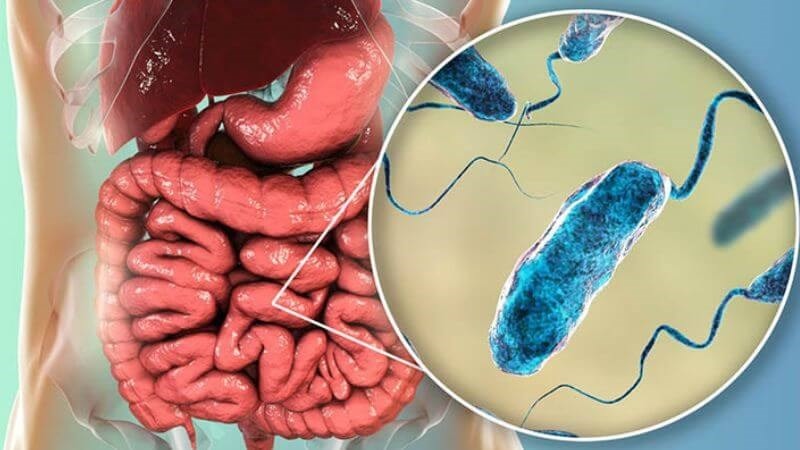
If you frequently experience heartburn, bloating, or stomach discomfort, it could be caused by H. pylori. Symptoms can include:
- Burning sensation in the chest or upper stomach
- Persistent bloating and gas
- Nausea or feeling full quickly
A doctor can confirm H. pylori through tests such as a breath test, stool test, or endoscopy.
2. Use Targeted Antibiotics
Once diagnosed, doctors often prescribe a combination of antibiotics along with acid-reducing medications to eradicate the bacteria. This approach is highly effective, especially when treatment is completed as prescribed.
Tip: Always follow your doctor’s instructions and avoid stopping treatment early.
3. Support Your Gut with Probiotics
Adding probiotics can help restore a healthy balance in your gut after treatment. Foods rich in probiotics include:
- Yogurt with live cultures
- Kefir
- Sauerkraut and kimchi
Probiotics may also reduce bloating and heartburn while promoting better digestion.
4. Avoid Foods That Irritate Your Stomach
Certain foods can worsen symptoms and make the bacteria more aggressive. Common triggers include:
- Spicy or fried foods
- Alcohol and caffeine
- Processed or sugary foods
Opt for whole foods, plenty of fiber, and vegetables to calm your digestive system.
5. Natural Remedies That May Help

Some natural compounds have antibacterial properties and may help reduce H. pylori levels:
- Green tea: Contains antioxidants that fight bacteria.
- Manuka honey: Known for antibacterial and anti-inflammatory effects.
- Garlic: Supports gut health and may inhibit bacterial growth.
Note: These remedies are supportive but should not replace prescribed treatment.
6. Lifestyle Changes for Long-Term Relief
- Eat smaller, balanced meals to reduce stomach acid buildup
- Stay hydrated to support digestion
- Manage stress, as it can worsen acid production
- Avoid smoking, which increases stomach irritation
Final Thoughts
Heartburn and bloating aren’t just uncomfortable—they may signal an underlying bacterial issue like H. pylori. By combining medical treatment, probiotics, dietary changes, and supportive lifestyle habits, you can target the bacteria effectively and enjoy long-term digestive health.
Taking action early can prevent complications like ulcers or chronic stomach problems. Pay attention to your body and consult a healthcare professional if symptoms persist.