Garlic has earned its reputation as one of the world's healthiest foods. For thousands of years, it has been used not only to flavor meals but also as a traditional remedy for a variety of health concerns. Modern research suggests that garlic contains bioactive compounds that may support heart health, immune function, and overall wellness when consumed as part of a balanced diet.
However, despite its impressive nutritional profile, garlic is not a miracle food—and how you eat it matters. Certain preparation methods, eating habits, or health conditions can reduce its potential benefits or even lead to unwanted side effects.
If you've ever wondered whether you're getting the most out of garlic, here are some common mistakes that could affect your health.
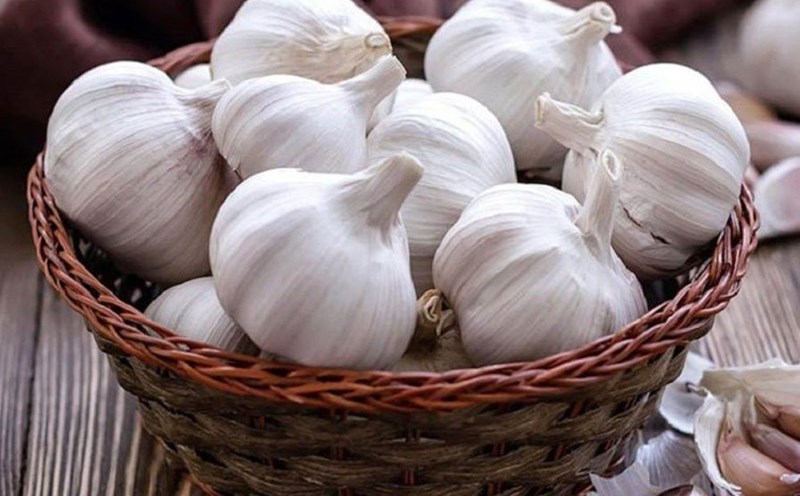
Why Garlic Is Considered a Superfood
Garlic (Allium sativum) is rich in nutrients while remaining very low in calories. It contains:
-
Vitamin C
-
Vitamin B6
-
Manganese
-
Selenium
-
Fiber
-
Potassium
-
Calcium
-
Antioxidants
Its most famous compound is allicin, which forms when fresh garlic is chopped, crushed, or minced. Allicin is responsible for garlic's distinctive smell and many of its potential health effects.
Research suggests garlic may help support:
-
Cardiovascular health
-
Healthy blood pressure
-
Cholesterol management
-
Immune function
-
Antioxidant defenses
-
Anti-inflammatory processes
However, allicin is delicate and can be easily destroyed if garlic is handled improperly.
Mistake #1: Cooking Garlic Immediately After Chopping It
One of the biggest mistakes people make is crushing garlic and immediately throwing it into a hot pan.
Why?
Allicin doesn't already exist inside garlic.
Instead, garlic contains:
-
Alliin
-
An enzyme called alliinase
When garlic is chopped or crushed, these two substances combine to produce allicin.
This reaction takes several minutes.
If garlic is heated immediately, much of the enzyme activity may stop before significant amounts of allicin are formed.
Better approach
After chopping or crushing garlic:
-
Let it sit for about 10 minutes before cooking.
-
This allows more allicin to develop before heat is applied.
Mistake #2: Eating Too Much Raw Garlic
Many people believe:
"If one clove is healthy, five cloves must be even healthier."
Unfortunately, that's not necessarily true.
Large amounts of raw garlic may cause:
-
Heartburn
-
Stomach irritation
-
Bloating
-
Gas
-
Nausea
-
Burning sensations in the mouth
People with sensitive digestive systems may experience discomfort even after small amounts.
Moderation is generally the safest approach.
Mistake #3: Eating Garlic on an Empty Stomach
Some social media posts recommend eating raw garlic first thing every morning.
While some people tolerate this well, others may experience:
-
Stomach pain
-
Acid reflux
-
Nausea
-
Indigestion
Individuals with gastritis, ulcers, or acid reflux disease may be particularly sensitive.
Eating garlic with meals is often easier on the digestive system.
Mistake #4: Assuming Garlic Can Replace Medication
Garlic has many promising health properties.
But it is not a substitute for prescribed treatments.
Some people attempt to use garlic instead of medications for:
-
High blood pressure
-
High cholesterol
-
Diabetes
-
Infections
This can be risky.
Although garlic may support overall health, it should complement—not replace—medical care recommended by a healthcare professional.
Mistake #5: Ignoring Possible Medication Interactions
Garlic can interact with certain medications.
For example, garlic may increase the risk of bleeding when combined with blood-thinning medications such as:
-
Warfarin
-
Apixaban
-
Rivaroxaban
-
Dabigatran
-
Clopidogrel
-
High-dose aspirin
Garlic supplements may have stronger effects than garlic used in cooking.
Anyone taking anticoagulants should consult a healthcare provider before using garlic supplements regularly.
Mistake #6: Taking Large Amounts of Garlic Supplements Without Medical Advice
Garlic supplements vary widely.
Some contain:
-
Garlic powder
-
Garlic oil
-
Aged garlic extract
-
Concentrated allicin
Because supplements differ greatly in potency, more isn't always better.
Potential side effects include:
-
Upset stomach
-
Allergic reactions
-
Increased bleeding risk
-
Drug interactions
Food sources are generally preferred unless a healthcare professional recommends supplementation.
Mistake #7: Burning Garlic During Cooking
Garlic burns quickly.
Once garlic becomes dark brown or black, it develops a bitter flavor.
High temperatures may also destroy some beneficial compounds.
For better flavor:
-
Cook garlic over medium or low heat.
-
Add it later during cooking when possible.
-
Stir frequently.
Mistake #8: Storing Garlic Improperly
Garlic should be stored in:
-
A cool place
-
A dry environment
-
Good air circulation
Avoid:
-
Sealed plastic bags
-
Moist environments
-
Refrigerating whole garlic bulbs unnecessarily
Improper storage encourages mold and spoilage.
If garlic becomes:
-
Soft
-
Moldy
-
Slimy
-
Has an unpleasant smell
It should be discarded.
Mistake #9: Believing Garlic Prevents Every Illness
Garlic has been linked with many possible health benefits.
However, no single food can:
-
Prevent cancer on its own
-
Cure infections
-
Eliminate heart disease
-
Replace vaccinations
-
Reverse chronic illnesses
Health depends on many factors including:
-
Diet
-
Exercise
-
Sleep
-
Smoking status
-
Alcohol consumption
-
Genetics
-
Regular medical care
Garlic is simply one piece of a healthy lifestyle.
Mistake #10: Ignoring Garlic Allergies or Sensitivities
Although uncommon, garlic allergies do occur.
Symptoms may include:
-
Skin rash
-
Itching
-
Swelling
-
Difficulty breathing
-
Digestive upset
Some people also have non-allergic garlic intolerance that causes:
-
Gas
-
Bloating
-
Cramping
-
Diarrhea
If symptoms consistently occur after eating garlic, medical evaluation is recommended.
Who Should Be Careful With Garlic?
Certain individuals should use extra caution.
These include people who:
-
Take blood-thinning medications
-
Have upcoming surgery (garlic supplements are often discontinued beforehand under medical guidance)
-
Have stomach ulcers
-
Experience severe acid reflux
-
Have irritable bowel syndrome (IBS), as garlic is high in FODMAPs and may trigger symptoms
-
Have known garlic allergies
How Much Garlic Is Reasonable?
There is no universal recommendation for everyone.
For most healthy adults, incorporating one to two fresh cloves of garlic per day as part of meals is generally considered a reasonable amount.
Tolerance varies considerably.
Those with digestive conditions may prefer smaller amounts or cooked garlic rather than raw garlic.
The Best Ways to Enjoy Garlic
To maximize flavor while preserving many beneficial compounds:
-
Crush or chop garlic before cooking.
-
Let it rest for about 10 minutes.
-
Cook over moderate heat.
-
Add garlic toward the end of cooking when possible.
-
Pair garlic with vegetables, beans, whole grains, lean proteins, and healthy fats.
-
Eat it consistently as part of a balanced diet rather than in excessive amounts.
Common Myths About Garlic
Myth: Garlic is a natural antibiotic that can replace prescription antibiotics.
Reality: Garlic contains compounds with antimicrobial activity in laboratory studies, but it is not a replacement for prescribed antibiotics when treating bacterial infections.
Myth: The more raw garlic you eat, the healthier you'll be.
Reality: Excessive raw garlic may increase the risk of digestive discomfort without providing proportionally greater benefits.
Myth: Garlic completely prevents colds.
Reality: Some research suggests garlic may modestly support immune function, but it cannot guarantee that you won't catch a cold or other viral infections.
Myth: Garlic instantly lowers blood pressure.
Reality: Regular garlic consumption may contribute to cardiovascular health in some people, but it should not be relied upon as a quick or standalone treatment for high blood pressure.
Myth: Cooking destroys all of garlic's health benefits.
Reality: While prolonged high heat can reduce some compounds such as allicin, cooked garlic still contains nutrients and other beneficial sulfur compounds that may support health.

Final Thoughts
Garlic remains one of the most nutritious and versatile foods you can include in your diet. Rich in vitamins, minerals, antioxidants, and sulfur-containing compounds, it may support heart health, immune function, and overall well-being when eaten regularly as part of a healthy eating pattern.
However, preparation and moderation matter. Chopping garlic and allowing it to rest before cooking, avoiding excessive amounts of raw garlic, being mindful of medication interactions, and recognizing your own digestive tolerance can help you enjoy its benefits while minimizing potential side effects.
Rather than viewing garlic as a cure-all, think of it as one valuable ingredient in an overall healthy lifestyle that includes a balanced diet, regular physical activity, adequate sleep, stress management, and routine medical care.