When it comes to healthy eating, most people focus on what they eat. Fruits, vegetables, whole grains, lean proteins, and healthy fats often receive the most attention. But another question has become increasingly popular: Does it matter when you eat certain foods?
The answer is yes—but perhaps not in the way social media often suggests. While there is no universal "perfect" time to eat every food, research indicates that meal timing, your daily routine, physical activity, and overall dietary pattern can influence how your body digests food, regulates blood sugar, and maintains energy levels.
Rather than following rigid rules, understanding when certain foods may be more enjoyable or beneficial can help you make smarter dietary choices. Here are some common foods and beverages, along with what current nutrition research suggests about the best times to include them in your day.
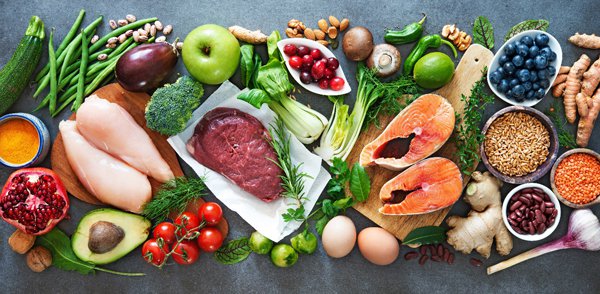
Why Meal Timing Can Matter
Your body follows a natural circadian rhythm, an internal clock that influences:
-
Digestion
-
Hormone production
-
Blood sugar regulation
-
Energy metabolism
-
Sleep cycles
Because these processes change throughout the day, some foods may fit better into certain parts of your routine.
However, overall diet quality remains far more important than precise meal timing.
1. Fruit
Fruit is packed with:
-
Vitamin C
-
Potassium
-
Fiber
-
Antioxidants
-
Natural plant compounds
Many people wonder whether fruit should only be eaten in the morning.
What research suggests
For most healthy people, fruit can be enjoyed at any time of day.
However, eating fruit:
-
As part of breakfast
-
Between meals as a snack
-
Before exercise
may help provide natural carbohydrates for energy.
Pairing fruit with protein or healthy fats—such as yogurt, nuts, or peanut butter—may help increase fullness.
2. Coffee
Coffee contains caffeine, which temporarily increases alertness.
Best time
Many sleep experts recommend waiting 60–90 minutes after waking before having your first cup of coffee.
This may better align with your body's natural morning hormone patterns and help some people avoid an early energy crash.
Avoid drinking coffee late in the afternoon or evening if caffeine interferes with your sleep.
3. Yogurt
Yogurt provides:
-
Protein
-
Calcium
-
Probiotics
-
Vitamin B12
Good times to eat yogurt
-
Breakfast
-
Mid-morning snack
-
After exercise
-
As a healthy dessert
Choosing plain yogurt with fresh fruit instead of heavily sweetened varieties can help reduce added sugar intake.
4. Nuts
Nuts contain:
-
Healthy unsaturated fats
-
Protein
-
Fiber
-
Magnesium
-
Vitamin E
Ideal times
Nuts make an excellent:
-
Mid-morning snack
-
Afternoon snack
-
Addition to breakfast oatmeal or yogurt
Although nutritious, they are calorie-dense, so portion size is important.
5. Oatmeal
Oats are rich in:
-
Soluble fiber (beta-glucan)
-
B vitamins
-
Iron
-
Magnesium
Best time
Breakfast is a popular choice because oatmeal provides slowly digested carbohydrates that may help support steady energy levels throughout the morning.
Adding berries, nuts, seeds, or Greek yogurt creates a more balanced meal.
6. Leafy Green Vegetables
Vegetables such as:
-
Spinach
-
Kale
-
Swiss chard
-
Romaine lettuce
are rich in vitamins, minerals, and fiber.
Best time
There is no specific "best" time.
The goal is simply to include vegetables with multiple meals throughout the day.
Experts generally recommend filling about half your plate with vegetables at lunch and dinner.
7. Bananas
Bananas provide:
-
Potassium
-
Vitamin B6
-
Carbohydrates
-
Fiber
Good times
Bananas may be especially useful:
-
Before exercise for quick energy
-
After workouts alongside protein
-
As a convenient afternoon snack
Eating a banana with nuts or yogurt can help create a more balanced snack.
8. Protein-Rich Foods
Examples include:
-
Eggs
-
Fish
-
Chicken
-
Beans
-
Lentils
-
Tofu
-
Greek yogurt
Research suggests
Distributing protein intake fairly evenly throughout the day may better support muscle maintenance than consuming most protein at one meal.
Aim to include protein at breakfast, lunch, and dinner whenever possible.
9. Dark Chocolate
Dark chocolate contains naturally occurring flavonoids.
Best approach
Enjoy it:
-
In moderation
-
Earlier in the day if you're sensitive to caffeine
-
As part of a balanced diet
Choose varieties with a higher cocoa content and less added sugar when possible.
10. Spicy Foods
Spicy meals can be enjoyed at any time.
However, people who experience acid reflux or heartburn may prefer to avoid large, spicy meals close to bedtime, as they can worsen symptoms in some individuals.
11. Heavy Meals
Large meals require more time to digest.
Timing tip
Eating very heavy meals immediately before lying down may increase the risk of:
-
Heartburn
-
Acid reflux
-
Poor sleep quality
Many experts recommend finishing your last substantial meal 2–3 hours before bedtime when possible.
12. Water
Hydration supports nearly every function in the body.
Rather than focusing on one specific time, aim to drink water consistently throughout the day.
Some people find it helpful to:
-
Drink a glass after waking.
-
Sip water with meals.
-
Rehydrate after exercise.
-
Increase intake during hot weather.
Does Eating Late at Night Cause Weight Gain?
This is a common question.
Research suggests that overall calorie intake and diet quality play a larger role in body weight than meal timing alone.
However, frequent late-night eating may make it easier for some people to consume excess calories, especially if snacks are high in sugar, refined carbohydrates, or saturated fat.
If you are hungry in the evening, consider lighter options such as:
-
Plain yogurt
-
Fruit
-
A small handful of nuts
-
Cottage cheese
-
Whole-grain crackers with hummus
Should You Eat Before Exercising?
It depends on the activity.
Before exercise
A light snack containing carbohydrates may help provide energy.
Examples include:
-
Banana
-
Oatmeal
-
Whole-grain toast
-
Fruit
After exercise
A meal or snack containing both protein and carbohydrates can help support muscle recovery and replenish energy stores.
Examples include:
-
Greek yogurt with berries
-
Chicken and brown rice
-
Eggs with whole-grain toast
-
Smoothie made with fruit and milk or yogurt
Healthy Eating Is About Patterns, Not Perfection
Rather than worrying about exact meal times, focus on creating sustainable habits.
Nutrition experts generally recommend:
-
Eating plenty of vegetables and fruits.
-
Choosing whole grains.
-
Including lean protein with meals.
-
Limiting highly processed foods.
-
Reducing added sugars.
-
Staying hydrated.
-
Paying attention to hunger and fullness cues.
These habits have a much greater impact on health than following strict timing rules.
Common Myths About Meal Timing
Myth: Fruit should never be eaten at night.
There is no strong scientific evidence that eating fruit in the evening is harmful for healthy individuals.
Myth: Skipping breakfast automatically slows metabolism.
Research is mixed. Some people feel and perform better with breakfast, while others prefer a later first meal. The best approach depends on individual preferences, health conditions, and overall diet quality.
Myth: Eating after 8 p.m. always causes weight gain.
Weight gain results from a long-term calorie surplus, not simply the clock time when food is eaten.
Late-night eating can contribute to excess calorie intake for some people, but timing alone is not the determining factor.
Myth: Every food has one perfect time to eat it.
Most nutritious foods can fit into a healthy diet at various times of the day.
Consistency and balance matter more than rigid schedules.
Tips for Smarter Meal Timing
To make the most of your meals:
-
Eat regular meals to help maintain steady energy.
-
Include protein with each main meal.
-
Fill half your plate with vegetables.
-
Choose whole fruits over fruit juice when possible.
-
Limit heavy meals close to bedtime.
-
Stay hydrated throughout the day.
-
Adjust meal timing to fit your work schedule, physical activity, and personal preferences.

Final Thoughts
While meal timing can influence energy levels, digestion, and exercise performance, there is no one-size-fits-all eating schedule. For most healthy adults, the quality and variety of foods consumed over time are far more important than eating a particular food at an exact hour.
Fruits, vegetables, whole grains, lean proteins, nuts, dairy products, and other nutrient-rich foods can all play valuable roles throughout the day. Paying attention to your body's hunger cues, avoiding overly large late-night meals if they disrupt your sleep, and timing meals around your daily routine and physical activity are practical strategies that can support both comfort and long-term health.
Instead of striving for perfection, aim for consistency. Building balanced meals, staying active, getting enough sleep, and maintaining healthy eating habits day after day will have a much greater impact on your well-being than following rigid food timing rules.