Sugar is everywhere.
It’s in obvious foods such as candy, cookies, cakes, soda, and ice cream, but added sugars can also hide in products many people don’t immediately think of as “sweet,” including breakfast cereals, flavored yogurt, bottled sauces, granola bars, coffee drinks, and even some breads.
Eating something sweet occasionally isn’t inherently harmful. Your body can handle sugar, and naturally occurring sugars found in whole fruits, vegetables, and dairy foods come packaged with nutrients such as fiber, vitamins, minerals, protein, and beneficial plant compounds.
The bigger concern is consistently consuming large amounts of added or free sugars, particularly through sugary drinks and highly processed foods.
Over time, excessive intake can contribute to excess calorie consumption, weight gain, dental problems, elevated triglycerides, metabolic dysfunction, and a greater risk of type 2 diabetes and cardiovascular disease.
But can your body actually tell you when you're eating too much sugar?
There isn't one symptom that proves your sugar intake is excessive. However, certain patterns can suggest that it may be worth taking a closer look at your diet.
Here are 10 possible signs to pay attention to.
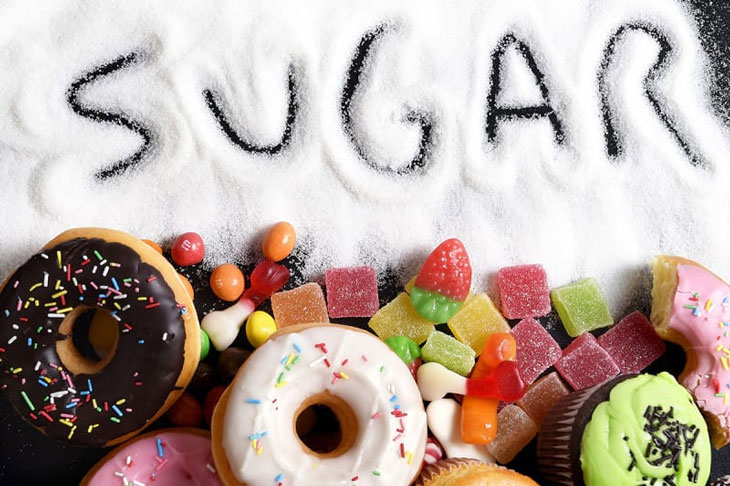
1. You’re Constantly Craving Something Sweet
You finish lunch.
Twenty minutes later, you're already thinking:
“I need something sweet.”
A cookie sounds good.
Then maybe some chocolate.
Later in the afternoon, you're reaching for another sweetened coffee.
Occasional cravings are completely normal, but repeatedly wanting highly sweet foods throughout the day can sometimes reflect eating patterns that reinforce those preferences.
The more accustomed your palate becomes to intensely sweet foods, the more normal that level of sweetness may begin to feel.
Why Do Sweet Foods Feel So Rewarding?
Sugar activates reward pathways in the brain.
Sweet foods can produce pleasurable sensations and reinforce behaviors that encourage us to seek them again.
That doesn't mean sugar is literally equivalent to addictive drugs, as some viral posts claim.
Human eating behavior is much more complicated.
Cravings can be influenced by:
-
Habit
-
Stress
-
Sleep deprivation
-
Food availability
-
Emotional state
-
Restrictive dieting
-
Hunger
-
Meal composition
If breakfast consists mainly of sweetened cereal and juice, for example, you may feel hungry sooner than after a meal containing adequate protein, fiber, and healthy fats.
What Can Help?
Try building meals around:
Protein + fiber + minimally processed carbohydrates + healthy fats.
For example:
Greek yogurt + berries + nuts
or:
Eggs + whole-grain toast + vegetables
may provide more sustained satiety than a pastry and sugary coffee.
2. Your Energy Feels Like a Roller Coaster
Do you sometimes feel energetic shortly after eating something sweet, only to feel tired or hungry again later?
Meals or snacks dominated by rapidly digested carbohydrates can cause blood glucose to rise relatively quickly.
Your pancreas responds by releasing insulin, helping glucose move into cells and keeping blood sugar within an appropriate range.
For healthy people, this is a normal physiological process.
But meals that are heavily refined and low in:
-
Fiber
-
Protein
-
Fat
may be less satisfying and can leave some people feeling hungry again relatively quickly.
Does Sugar Literally Cause an “Energy Crash”?
Not always.
Fatigue has dozens of possible causes, so feeling sleepy after lunch doesn't prove you've eaten too much sugar.
Possible explanations include:
-
Poor sleep
-
Stress
-
Anemia
-
Dehydration
-
Medication effects
-
Thyroid disorders
-
Sleep apnea
-
Depression
-
Diabetes
-
Other medical conditions
If fatigue is persistent despite adequate sleep and nutrition, don't automatically blame sugar.
Get the underlying cause evaluated.
3. You’re Hungry Again Soon After Eating
Imagine two breakfasts.
Breakfast A
Sugary cereal + sweetened juice.
Breakfast B
Oatmeal + Greek yogurt + berries + nuts.
Both contain carbohydrates.
But the second meal provides considerably more:
-
Protein
-
Fiber
-
Fat
-
Food volume
These components can help support satiety.
Highly processed sugary foods often provide substantial calories without keeping you full for very long.
As a result, you may find yourself snacking repeatedly throughout the day.
Liquid Sugar Is Particularly Easy to Overconsume
Sugary drinks deserve special attention.
Examples include:
-
Soda
-
Sweet tea
-
Energy drinks
-
Sweetened coffee
-
Some sports drinks
-
Fruit drinks
-
Milkshakes
Liquid calories can be consumed rapidly and may not produce the same satiety as an equivalent amount of energy from solid foods.
This can make it easier to consume excess calories without realizing it.
4. You’re Gradually Gaining Weight
Sugar doesn't magically transform directly into abdominal fat the moment you eat it.
Weight gain occurs when energy intake consistently exceeds energy expenditure over time.
But added sugars can make that easier.
Why?
Because many sugar-rich foods are:
-
Calorie-dense
-
Highly palatable
-
Easy to eat quickly
-
Low in fiber
-
Low in protein
-
Less satiating
Sugary drinks are particularly important because they can add hundreds of calories without making you feel especially full.
One Coffee Can Become Dessert
A plain cup of coffee contains very few calories.
But add:
-
Several pumps of syrup
-
Sugar
-
Sweetened cream
-
Whipped cream
-
Caramel drizzle
and suddenly your “coffee” may contain the energy of a small meal.
That doesn't mean you can never enjoy one.
The issue is frequency.
A dessert-like coffee occasionally is very different from consuming one or two every day without considering the calories or added sugar.
5. Your Teeth Are Developing More Cavities
This is one of the clearest connections between sugar and health.
Bacteria living in dental plaque can metabolize sugars and produce acids.
Those acids attack tooth enamel.
Repeated exposure can contribute to dental caries, commonly known as cavities.
Frequency matters too.
Constantly sipping a sugary drink throughout the day repeatedly exposes your teeth to sugar and acid.
Sticky Sugary Foods Can Be Particularly Problematic
Foods such as:
-
Gummies
-
Caramels
-
Sticky candies
-
Sweet dried snacks
can remain in contact with teeth for longer periods.
Sugary acidic drinks create another problem because they may combine sugar exposure with acidity.
Protect Your Teeth
Helpful habits include:
-
Brushing with fluoride toothpaste
-
Flossing or cleaning between teeth
-
Limiting frequent sugary snacks
-
Drinking water
-
Getting appropriate dental checkups
And remember:
“Natural sugar” can still affect teeth.
Honey, maple syrup, and similar sweeteners aren't magically cavity-proof because they come from natural sources.
6. Your Triglycerides Are Elevated
This sign won't appear in the mirror.
You'll usually discover it through a blood test.
Triglycerides are a type of fat circulating in the blood.
Consuming excess calories—particularly in the context of diets high in refined carbohydrates and added sugars—can contribute to elevated triglycerides.
High triglycerides are associated with cardiovascular and metabolic risk.
Sugary Drinks Can Be Especially Relevant
Regular consumption of sugar-sweetened beverages has been associated with unfavorable metabolic outcomes.
If blood tests repeatedly show elevated triglycerides, your healthcare professional may recommend looking at:
-
Added sugar intake
-
Refined carbohydrates
-
Alcohol consumption
-
Body weight
-
Physical activity
-
Diabetes control
Genetics and certain medications can also affect triglycerides.
So sugar isn't always the only explanation.
7. You’re Experiencing More Acne or Skin Problems
The relationship between diet and acne is more complicated than:
“Sugar causes pimples.”
However, research suggests that high-glycemic dietary patterns may worsen acne in some people.
Foods with a high glycemic load can cause larger glucose and insulin responses, which may influence hormonal and cellular pathways involved in:
-
Sebum production
-
Inflammation
-
Skin-cell growth
Some studies suggest that lower-glycemic diets may improve acne severity in certain individuals.
But Don't Blame Every Breakout on Dessert
Acne can be influenced by:
-
Genetics
-
Hormones
-
Age
-
Skin products
-
Stress
-
Medications
So a breakout after eating chocolate doesn't prove chocolate caused it.
If acne is persistent or severe, a dermatologist can provide evidence-based treatment.
8. You Feel Thirsty and Urinate Frequently
Now we're entering territory that deserves more attention.
Persistent excessive thirst and frequent urination can be symptoms of high blood glucose and diabetes.
When glucose levels become sufficiently elevated, the kidneys may begin excreting excess glucose into urine.
Water follows.
This can lead to increased urination and dehydration, which then causes increased thirst.
Other Possible Diabetes Symptoms Include:
-
Fatigue
-
Blurred vision
-
Slow-healing wounds
-
Frequent infections
-
Unexplained weight loss
-
Increased hunger
However, type 2 diabetes can develop with very few noticeable symptoms.
You cannot diagnose diabetes based on thirst alone.
Blood testing is required.
Does Eating Sugar Directly Cause Diabetes?
The relationship is more complicated.
Eating one sugary dessert does not suddenly cause type 2 diabetes.
Risk is influenced by factors including:
-
Genetics
-
Age
-
Body composition
-
Physical activity
-
Diet
-
Sleep
-
Metabolic health
However, regularly consuming excessive calories and sugar-sweetened beverages can contribute to weight gain and metabolic dysfunction, which can increase type 2 diabetes risk.

9. You Have Signs of Fatty Liver or Metabolic Dysfunction
Your liver plays a central role in carbohydrate and fat metabolism.
Consistently consuming excessive calories, particularly alongside obesity and insulin resistance, can contribute to metabolic dysfunction-associated steatotic liver disease (MASLD), previously commonly called nonalcoholic fatty liver disease.
High intake of added sugars—especially sugar-sweetened beverages—can be one part of that picture.
The Problem: Fatty Liver Can Be Silent
Many people with fatty liver have no obvious symptoms.
Some may experience:
-
Fatigue
-
Mild discomfort in the upper-right abdomen
But these symptoms are nonspecific.
Fatty liver is often discovered through:
-
Blood tests
-
Ultrasound
-
Other imaging
-
Medical evaluation for unrelated reasons
You cannot tell whether your liver contains excess fat simply by looking at your stomach or skin.
Can You “Detox” Fatty Liver With Lemon Water?
No.
Neither lemon water, ginger tea, apple cider vinegar, nor a three-day juice cleanse removes liver fat overnight.
Management may involve:
-
Sustainable weight reduction when appropriate
-
Regular physical activity
-
Improved diet quality
-
Diabetes management
-
Cholesterol management
-
Reducing or avoiding alcohol depending on circumstances
Some people require additional medical assessment based on the degree of liver fibrosis and other risk factors.
10. Your Diet Contains More Added Sugar Than You Realize
Sometimes the biggest “sign” isn't a symptom.
It's your grocery cart.
Many people underestimate how much added sugar they consume because they focus only on obvious sweets.
Sugar can appear in foods such as:
-
Flavored yogurt
-
Granola
-
Breakfast cereal
-
Protein bars
-
Bottled smoothies
-
Ketchup
-
Barbecue sauce
-
Salad dressing
-
Sweetened plant-based milk
-
Instant oatmeal
-
Coffee creamers
A product doesn't need to taste like candy to contain added sugar.
Learn to Read the Label
Nutrition labels can help you identify how much sugar a product contains.
Where available, look specifically for:
Added sugars
rather than simply total sugars.
Why?
Because total sugars can include naturally occurring sugars found in foods such as milk and fruit.
Added sugars are sugars introduced during processing or preparation.
Added Sugar vs. Natural Sugar
This distinction is important.
Consider:
Whole Apple
Contains natural sugars, but also:
-
Fiber
-
Water
-
Vitamins
-
Minerals
-
Plant compounds
Now compare it with:
Candy
May provide substantial added sugar with little fiber or nutritional value.
The body doesn't experience these foods in exactly the same way.
Should You Avoid Fruit Because It Contains Sugar?
For most people, no.
Whole fruit is associated with numerous health benefits and can be part of a healthy dietary pattern.
Fruit provides:
-
Fiber
-
Potassium
-
Vitamin C
-
Folate
-
Polyphenols
-
Water
Avoiding whole fruit because it contains fructose usually misses the bigger nutritional picture.
Fruit Juice Is Different
Fruit juice can contain vitamins and other nutrients, but removing much of the intact fiber makes it easier to consume large quantities of sugar quickly.
Think about how many oranges it might take to make a large glass of orange juice.
You could drink that glass in a few minutes.
Eating the same number of whole oranges would usually be much more filling.
Whole fruit is generally the better everyday choice.
How Much Added Sugar Is Too Much?
Recommendations vary slightly between health organizations.
The World Health Organization recommends keeping free sugars below 10% of total daily energy intake and suggests that reducing intake below 5% may provide additional benefits.
The American Heart Association recommends relatively low daily limits for added sugar, with commonly cited targets of approximately:
25 grams per day for many women
and
36 grams per day for many men.
Individual needs vary, but the central message is straightforward:
Added sugar should be a relatively small part of your overall diet.
One Soda Can Get You Close Surprisingly Fast
A single can or bottle of sugar-sweetened soda can contain a substantial amount of added sugar.
Large fountain drinks may contain considerably more.
Then add:
-
Sweetened coffee
-
Dessert
-
Flavored yogurt
-
Breakfast cereal
and daily intake can climb rapidly.
That's why beverages are one of the easiest places to start reducing sugar.
Is Brown Sugar Healthier Than White Sugar?
Not meaningfully.
Brown sugar contains molasses, giving it a different flavor and color.
But it is still an added sugar.
The same general principle applies to:
-
Coconut sugar
-
Raw sugar
-
Cane sugar
-
Agave syrup
Some may contain tiny amounts of additional nutrients, but not enough to transform them into health foods.
What About Honey?
Honey contains some plant compounds, but it's still largely composed of sugars.
A teaspoon of honey in tea can fit into a healthy diet.
Several tablespoons multiple times per day still contribute significant sugar.
“Natural” does not mean unlimited.
Are Artificial Sweeteners Better?
Non-sugar sweeteners can help reduce sugar and calorie intake in certain situations.
However, they aren't necessary for everyone, and long-term dietary quality matters more than simply replacing every gram of sugar with intense sweetness.
Another strategy is gradually reducing how sweet you expect foods and drinks to taste.
For example:
Week 1: Two teaspoons of sugar in coffee.
Week 2: One and a half.
Week 3: One.
Eventually, you may discover that the original drink tastes excessively sweet.
Your palate can adapt.
What About Diet Soda?
Diet soda contains little or no sugar, so replacing regular soda with a sugar-free version can significantly reduce sugar intake.
For someone drinking multiple sugary sodas every day, that substitution can be useful.
But water remains the simplest everyday beverage.
Unsweetened:
-
Tea
-
Coffee
-
Sparkling water
can also provide variety.
How to Cut Back Without Giving Up Everything Sweet
You don't need to eliminate every dessert forever.
Extreme restriction often isn't sustainable.
Instead, target the biggest sources first.
1. Start With Drinks
Reduce:
-
Soda
-
Sweetened tea
-
Energy drinks
-
Sugary coffee
-
Fruit drinks
This can make a surprisingly large difference.
2. Choose Plain Yogurt
Add your own:
-
Berries
-
Banana
-
Cinnamon
-
Nuts
instead of relying on heavily sweetened versions.
3. Check Breakfast Foods
Some cereals and granolas contain substantial added sugar.
Compare labels.
4. Keep Whole Fruit Around
When you want something sweet, fruit can provide sweetness plus fiber and nutrients.
5. Treat Dessert Like Dessert
There's nothing wrong with enjoying cake occasionally.
The problem begins when breakfast, coffee, snacks, beverages, and dessert are all effectively desserts.
Protein Can Help With Satiety
Adequate protein can make meals more satisfying.
Useful sources include:
-
Eggs
-
Fish
-
Chicken
-
Greek yogurt
-
Cottage cheese
-
Tofu
-
Beans
-
Lentils
Pairing carbohydrates with protein and fiber may help create a more balanced meal.
Fiber Matters Too
Fiber slows digestion and supports gut health.
Good sources include:
-
Vegetables
-
Whole fruit
-
Beans
-
Lentils
-
Oats
-
Whole grains
-
Nuts
-
Seeds
Compare an apple with apple-flavored candy.
Both may taste sweet.
Only one comes packaged with meaningful fiber.
Don't Forget Sleep
This might seem unrelated to sugar, but sleep can influence appetite.
Insufficient sleep can affect hormones and brain pathways involved in hunger and food reward.
After a poor night's sleep, high-calorie foods may become more appealing.
If you're constantly battling cravings while sleeping five hours per night, diet isn't necessarily the only thing worth addressing.
Stress Can Drive Sugar Intake Too
Some people reach for sweet foods when stressed.
That's understandable.
Highly palatable foods can provide temporary comfort.
But if food becomes your primary coping strategy, sugar intake may gradually increase.
Alternative stress-management tools might include:
-
Walking
-
Exercise
-
Talking with someone
-
Music
-
Relaxation techniques
-
Adequate sleep
You don't have to eliminate comfort foods.
The goal is simply to have more than one coping mechanism.
Can Too Much Sugar Affect Your Heart?
Consistently high intake of added sugar—especially sugar-sweetened beverages—has been associated with poorer cardiovascular outcomes.
Potential pathways include effects on:
-
Body weight
-
Triglycerides
-
Blood glucose
-
Fatty liver
-
Metabolic health
Heart health depends on your entire dietary pattern, not sugar alone.
But reducing excessive added sugar is a sensible part of cardiovascular prevention.
Does Sugar “Feed Cancer”?
This phrase is frequently misunderstood.
All cells—including healthy cells—use glucose for energy.
Cancer cells also use glucose.
But this does not mean eating a teaspoon of sugar selectively feeds cancer while starving yourself of sugar starves tumors.
Your body tightly regulates blood glucose and can produce glucose from other nutrients when necessary.
Cancer prevention is much more complicated.
Maintaining a healthy body weight, avoiding tobacco, limiting alcohol, exercising, and following recommended screening guidelines are much more meaningful strategies.
Does Sugar Cause Inflammation?
This is another claim that requires context.
Dietary patterns high in refined carbohydrates, added sugars, and excess calories may contribute to metabolic dysfunction and chronic low-grade inflammation.
But eating one cookie doesn't suddenly cause dangerous whole-body inflammation.
Frequency, quantity, overall dietary pattern, body composition, and metabolic health all matter.
Can You Become “Addicted” to Sugar?
Sugar can certainly be highly rewarding, and people can develop strong habits around sweet foods.
However, describing sugar as equivalent to substances such as cocaine or heroin oversimplifies the neuroscience.
Food is essential for survival, and eating behavior involves complex interactions between:
-
Reward pathways
-
Hormones
-
Environment
-
Habit
-
Culture
-
Stress
-
Hunger
If you feel unable to control eating behaviors or experience binge eating, professional support can be more useful than simply labeling yourself “addicted to sugar.”
What Happens When You Cut Back?
If your diet currently contains a large amount of added sugar, reducing it may lead to several practical changes.
You may consume fewer calories.
Your meals may become more nutrient-dense.
Your triglycerides may improve over time.
Dental sugar exposure decreases.
Blood glucose management may become easier for some people.
And eventually, extremely sweet foods may begin tasting too sweet.
Taste preferences can change.
Will You Experience “Sugar Withdrawal”?
Some people report:
-
Cravings
-
Irritability
-
Headaches
-
Low mood
after suddenly changing a highly sweet diet.
However, these experiences can be influenced by many factors—including simultaneously reducing caffeine or calories.
You don't necessarily need to quit sugar overnight.
Gradual reduction is perfectly reasonable.
Don't Replace Sugar With a “Detox”
If you realize you're consuming too much sugar, you don't need:
-
Juice cleanses
-
Detox teas
-
Laxatives
-
Extreme fasting
-
Expensive supplements
Your body doesn't need punishment.
It needs a more sustainable dietary pattern.
Reduce the major sources of added sugar and replace them with nutritious foods.
Simple works.
10 Signs Worth Remembering
Here's the quick recap.
1. Frequent Sweet Cravings
Your eating habits may be reinforcing a preference for highly sweet foods.
2. Energy Fluctuations
Highly refined meals may leave some people feeling hungry or tired relatively quickly.
3. Frequent Hunger
Sugar-rich foods low in protein and fiber may provide poor satiety.
4. Gradual Weight Gain
Sugary foods and drinks can make excess calorie intake easier.
5. Frequent Cavities
Repeated sugar exposure increases the risk of tooth decay.
6. Elevated Triglycerides
High added-sugar intake may contribute to unfavorable blood lipid patterns.
7. Acne or Skin Changes
High-glycemic diets may worsen acne in some individuals.
8. Excessive Thirst and Frequent Urination
These may indicate high blood glucose and should not be ignored.
9. Fatty Liver or Metabolic Problems
Excess calories and high added-sugar intake can contribute to metabolic dysfunction.
10. Hidden Sugar Everywhere in Your Diet
Your actual intake may be much higher than you realize.
When Should You See a Doctor?
Some symptoms shouldn't simply be treated by “cutting out sugar.”
Talk with a healthcare professional if you experience persistent:
-
Excessive thirst
-
Frequent urination
-
Blurred vision
-
Unexplained weight loss
-
Severe fatigue
-
Slow-healing wounds
-
Frequent infections
These can be symptoms of diabetes or other medical conditions.
A simple blood test can provide much more useful information than trying to diagnose yourself from symptoms.
The Bottom Line
Sugar itself isn't poison.
Your body uses glucose constantly, and naturally occurring sugars can be part of highly nutritious foods.
The concern is excessive added sugar, particularly when it comes from sugar-sweetened beverages and highly processed foods that provide substantial calories without much fiber, protein, or nutritional value.
There is no single physical sign proving you're eating too much sugar.
But frequent cravings, poor satiety, gradual weight gain, dental cavities, elevated triglycerides, and a diet packed with sugary drinks and processed foods may suggest that it's time to take a closer look.
More importantly, symptoms such as persistent thirst and frequent urination deserve medical attention because they may indicate abnormal blood glucose rather than simply “too much sugar.”
Final Thoughts
You don't need to swear off birthday cake, chocolate, or dessert forever.
A healthy diet has room for enjoyable foods.
What matters is the pattern.
If most of your meals consist of vegetables, whole fruits, protein-rich foods, legumes, whole grains, nuts, seeds, and other minimally processed foods, occasional sweets aren't likely to define your health.
Start with the easiest target: what you drink.
Replacing soda, sweetened tea, energy drinks, or heavily sweetened coffee with water or unsweetened beverages can dramatically reduce added sugar without changing everything you eat.
Then check labels, reduce sweetness gradually, and build meals around protein and fiber.
The goal isn't to fear sugar.
It's to make sure sugar is a small part of your diet—not quietly becoming the foundation of it.