Sugar is everywhere.
It’s in obvious foods such as candy, cookies, cakes, soda, and ice cream, but added sugars can also hide in products many people don’t immediately think of as “sweet,” including breakfast cereals, flavored yogurt, bottled sauces, granola bars, coffee drinks, and even some breads.
Eating something sweet occasionally isn’t inherently harmful. Your body can handle sugar, and naturally occurring sugars found in whole fruits, vegetables, and dairy foods come packaged with nutrients such as fiber, vitamins, minerals, protein, and beneficial plant compounds.
The bigger concern is consistently consuming large amounts of added or free sugars, particularly through sugary drinks and highly processed foods.
Over time, excessive intake can contribute to excess calorie consumption, weight gain, dental problems, elevated triglycerides, metabolic dysfunction, and a greater risk of type 2 diabetes and cardiovascular disease.
But can your body actually tell you when you're eating too much sugar?
There isn't one symptom that proves your sugar intake is excessive. However, certain patterns can suggest that it may be worth taking a closer look at your diet.
Here are 10 possible signs to pay attention to.
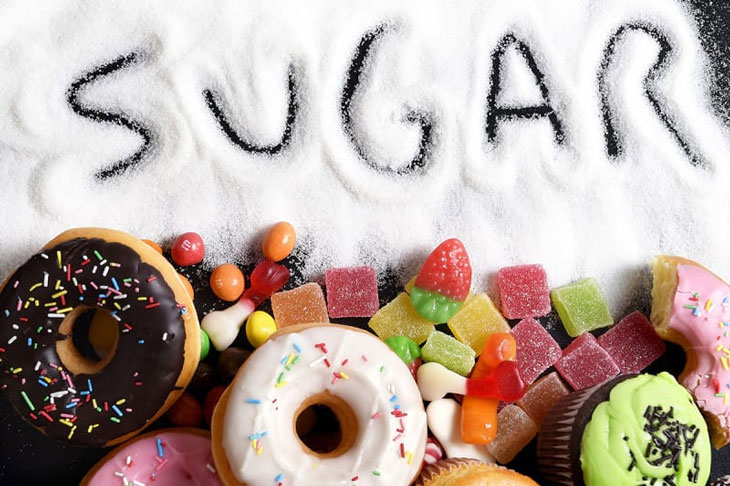
1. You’re Constantly Craving Something Sweet
You finish lunch.
Twenty minutes later, you're already thinking:
“I need something sweet.”
A cookie sounds good.
Then maybe some chocolate.
Later in the afternoon, you're reaching for another sweetened coffee.
Occasional cravings are completely normal, but repeatedly wanting highly sweet foods throughout the day can sometimes reflect eating patterns that reinforce those preferences.
The more accustomed your palate becomes to intensely sweet foods, the more normal that level of sweetness may begin to feel.
Why Do Sweet Foods Feel So Rewarding?
Sugar activates reward pathways in the brain.
Sweet foods can produce pleasurable sensations and reinforce behaviors that encourage us to seek them again.
That doesn't mean sugar is literally equivalent to addictive drugs, as some viral posts claim.
Human eating behavior is much more complicated.
Cravings can be influenced by:
-
Habit
-
Stress
-
Sleep deprivation
-
Food availability
-
Emotional state
-
Restrictive dieting
-
Hunger
-
Meal composition
If breakfast consists mainly of sweetened cereal and juice, for example, you may feel hungry sooner than after a meal containing adequate protein, fiber, and healthy fats.
What Can Help?
Try building meals around:
Protein + fiber + minimally processed carbohydrates + healthy fats.
For example:
Greek yogurt + berries + nuts
or:
Eggs + whole-grain toast + vegetables
may provide more sustained satiety than a pastry and sugary coffee.
2. Your Energy Feels Like a Roller Coaster
Do you sometimes feel energetic shortly after eating something sweet, only to feel tired or hungry again later?
Meals or snacks dominated by rapidly digested carbohydrates can cause blood glucose to rise relatively quickly.
Your pancreas responds by releasing insulin, helping glucose move into cells and keeping blood sugar within an appropriate range.
For healthy people, this is a normal physiological process.
But meals that are heavily refined and low in:
-
Fiber
-
Protein
-
Fat
may be less satisfying and can leave some people feeling hungry again relatively quickly.
Does Sugar Literally Cause an “Energy Crash”?
Not always.
Fatigue has dozens of possible causes, so feeling sleepy after lunch doesn't prove you've eaten too much sugar.
Possible explanations include:
-
Poor sleep
-
Stress
-
Anemia
-
Dehydration
-
Medication effects
-
Thyroid disorders
-
Sleep apnea
-
Depression
-
Diabetes
-
Other medical conditions
If fatigue is persistent despite adequate sleep and nutrition, don't automatically blame sugar.
Get the underlying cause evaluated.
3. You’re Hungry Again Soon After Eating
Imagine two breakfasts.
Breakfast A
Sugary cereal + sweetened juice.
Breakfast B
Oatmeal + Greek yogurt + berries + nuts.
Both contain carbohydrates.
But the second meal provides considerably more:
-
Protein
-
Fiber
-
Fat
-
Food volume
These components can help support satiety.
Highly processed sugary foods often provide substantial calories without keeping you full for very long.
As a result, you may find yourself snacking repeatedly throughout the day.
Liquid Sugar Is Particularly Easy to Overconsume
Sugary drinks deserve special attention.
Examples include:
-
Soda
-
Sweet tea
-
Energy drinks
-
Sweetened coffee
-
Some sports drinks
-
Fruit drinks
-
Milkshakes
Liquid calories can be consumed rapidly and may not produce the same satiety as an equivalent amount of energy from solid foods.
This can make it easier to consume excess calories without realizing it.
4. You’re Gradually Gaining Weight
Sugar doesn't magically transform directly into abdominal fat the moment you eat it.
Weight gain occurs when energy intake consistently exceeds energy expenditure over time.
But added sugars can make that easier.
Why?
Because many sugar-rich foods are:
-
Calorie-dense
-
Highly palatable
-
Easy to eat quickly
-
Low in fiber
-
Low in protein
-
Less satiating
Sugary drinks are particularly important because they can add hundreds of calories without making you feel especially full.
One Coffee Can Become Dessert
A plain cup of coffee contains very few calories.