The Hidden Danger in Minor Wounds
When the skin barrier is intact, it acts as a powerful defense shield, keeping environmental pathogens and bacteria safely out of the body. However, a shallow cut, a puncture, or a scratched bug bite compromises that protective layer. Common bacteria like Staphylococcus aureus or Streptococcus pyogenes can easily enter the wound, particularly if hands are unwashed or if the area is exposed to dirt, sweat, and friction. What begins as a minor irritation can quickly escalate if proper first aid is neglected.
Early Warning Signs of Skin Infections
It is normal for a fresh cut or bug bite to experience slight redness, mild itching, or minor swelling during the first 24 to 48 hours as part of the body's natural inflammatory healing response. However, if those symptoms begin to worsen instead of improving, an infection may be developing. Medical experts advise watching closely for the following early indicators:
-
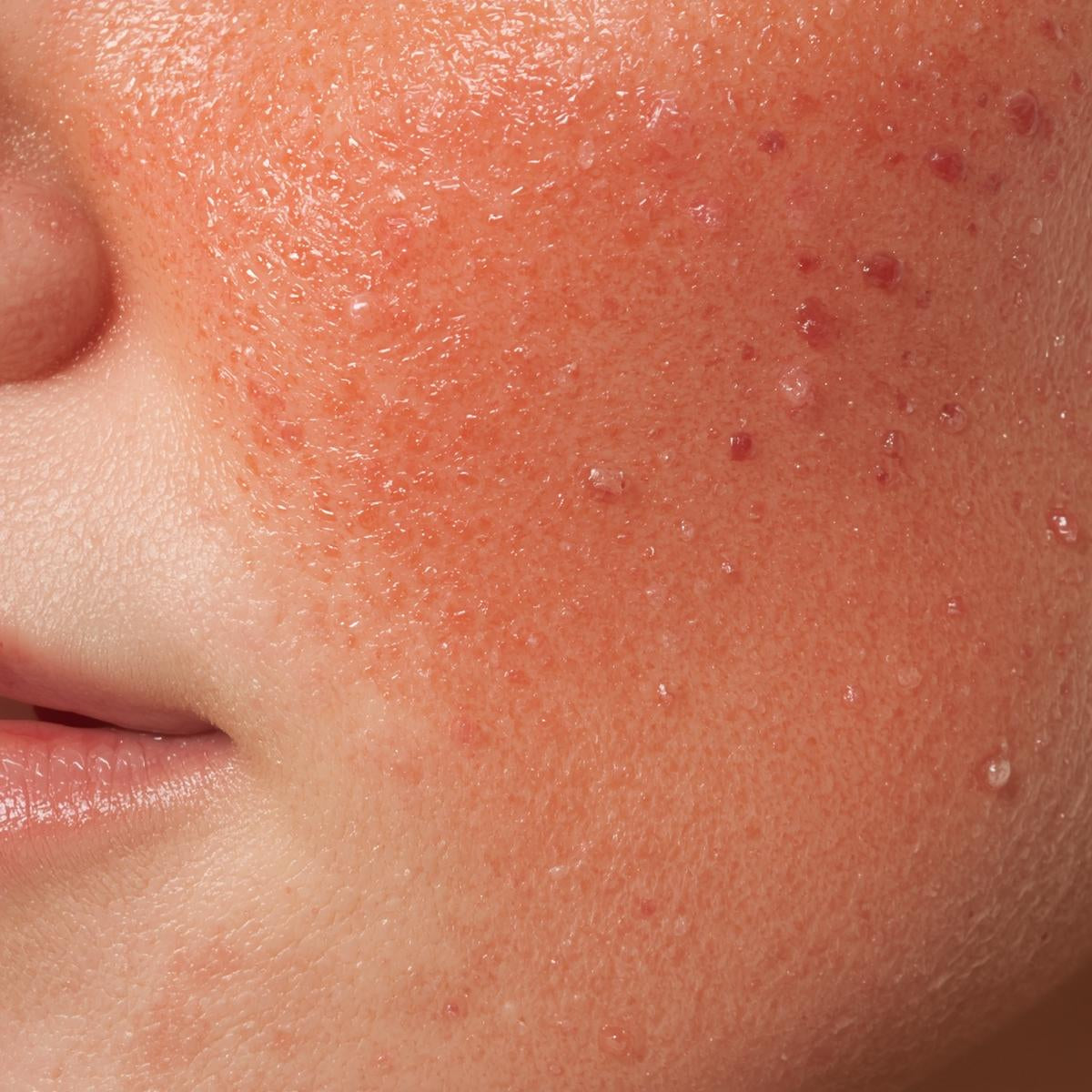
Expanding Redness: Redness or skin discoloration that slowly spreads outward from the original injury site.
-
Increasing Pain or Tenderness: Discomfort that intensifies over a few days rather than fading away.
-
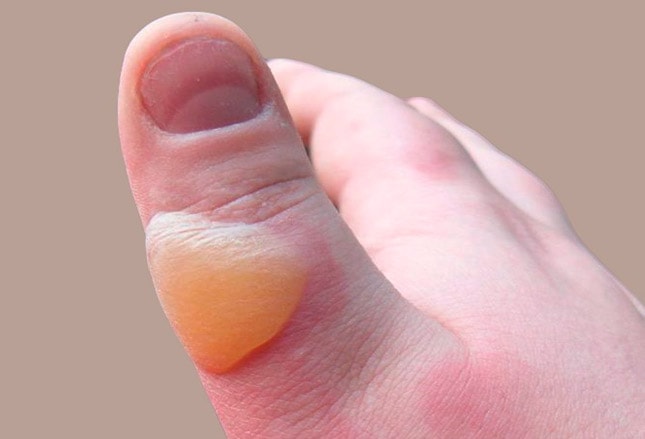
Localized Heat: The skin directly surrounding the cut or bite feels noticeably warm or hot to the touch.
-
Swelling and Edema: Puffiness that grows significantly larger or fails to subside.
-
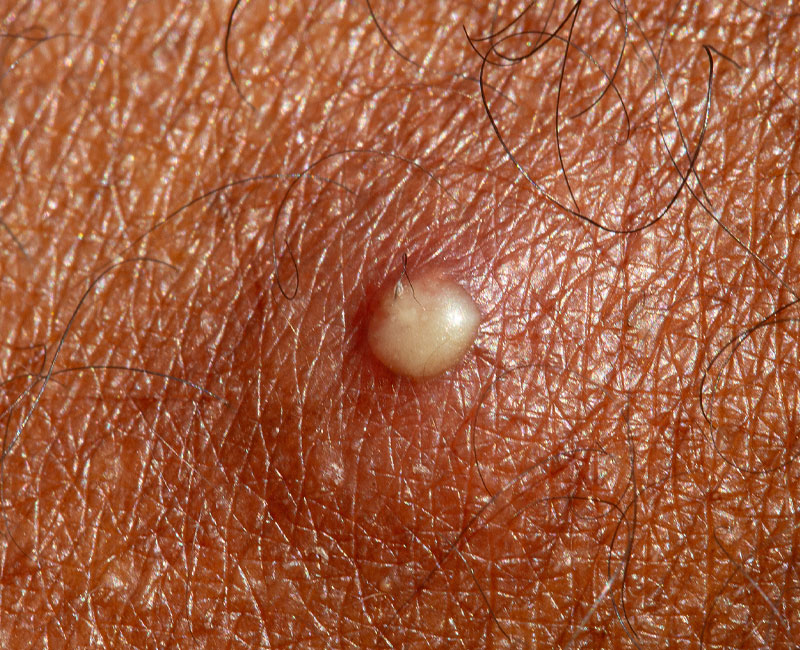
Discharge or Pus: The appearance of cloudy fluid, yellow drainage, or pustules forming around the wound.
When a Minor Issue Becomes an Emergency
If left unchecked, localized bacterial infections can rapidly progress into more severe conditions such as cellulitis (a deeper skin and tissue infection) or lymphangitis (an infection spreading through the lymphatic vessels).
You should seek prompt medical evaluation if you notice advanced symptoms, such as:
-
Red streaks radiating outward from the wound toward your core.
-
Swollen lymph nodes in nearby areas like the armpit, groin, or neck.
-
Systemic signs including fever, chills, body aches, or a general feeling of severe illness.
Proper First Aid: Prevention is Key
Fortunately, most minor wounds and bites can be safely managed and prevented from turning into major infections with prompt and proper care:
-
Clean Thoroughly: Wash the affected area immediately with mild soap and warm running water.
-
Apply Antiseptic: Use a gentle antiseptic or an over-the-counter antibiotic ointment to deter bacterial growth.
-
Protect the Area: Cover minor cuts or vulnerable bites with a clean, breathable bandage to prevent dirt and scratching.
-
Hands Off: Avoid picking at scabs or scratching itchy bug bites, as fingernails easily introduce new bacteria into broken skin.
The Bottom Line
While it is easy to overlook a small scrape or a mosquito bite, treating every minor injury with basic hygiene and careful observation is a vital habit. Listening to medical warnings and addressing early signs of infection right away ensures that minor setbacks do not turn into major health complications.