Taking a bath is usually a safe and relaxing part of everyday life. Warm water can help loosen tense muscles, improve comfort, and make it easier to unwind before bed.
However, the timing and conditions surrounding a bath can matter, especially for older adults and people with heart disease, high or low blood pressure, diabetes, or a history of fainting.
A hot bath can temporarily widen blood vessels and cause blood pressure to fall. Getting out of a hot bath can also produce a sudden change in blood pressure. In vulnerable people, this may lead to dizziness, fainting, falls, or other cardiovascular complications.
It is important to clarify one common misconception: there is no evidence that taking a bath at a particular hour directly causes a stroke. The concern is mainly about situations in which heat, dehydration, sudden temperature changes, or unstable blood pressure may place additional stress on the cardiovascular system.
Here are 5 situations when it may be better to postpone your bath or take extra precautions.
1. Immediately After Heavy Exercise
After intense exercise, your body is already working hard to regulate temperature and circulation.
Your heart rate may still be elevated, your blood vessels may be dilated, and you may have lost significant amounts of fluid through sweat.
Jumping directly into a very hot bath can further widen blood vessels and potentially cause your blood pressure to drop.
Some people may experience:
-
Dizziness
-
Weakness
-
Light-headedness
-
Nausea
-
A racing heartbeat
-
Feeling as though they might faint
Instead of immediately entering a very hot bath, allow your body to cool down gradually.
Drink an appropriate amount of fluid, rest for a while, and let your heart rate settle.
A lukewarm shower may be a better option immediately after exercise than soaking in very hot water.
2. When You Are Dehydrated
Dehydration can occur after exercise, during hot weather, after prolonged sweating, during illness, or simply from not drinking enough fluids.
When you are dehydrated, your circulating blood volume can decrease.
Hot water can cause blood vessels near the skin to dilate, potentially lowering blood pressure further.
This combination may increase the likelihood of dizziness or fainting, particularly when standing up or getting out of the bathtub.
Signs of dehydration can include:
-
Excessive thirst
-
Dry mouth
-
Dark yellow urine
-
Headache
-
Weakness
-
Dizziness
-
Unusual fatigue
If you are significantly dehydrated, address the dehydration first rather than taking a very hot bath.
People with certain heart or kidney conditions may have specific fluid restrictions, so they should follow their healthcare professional's advice rather than simply drinking large amounts of water.
3. When You Have a Fever or Are Overheated
When you already have a fever, your body is trying to regulate its internal temperature.
A very hot bath can make you feel more uncomfortable and may increase the risk of overheating.
This is particularly relevant for people who are already weak, dehydrated, or experiencing an infection.
A common misconception is that extremely hot water will "sweat out" a fever.
It won't cure the underlying infection.
If you have a fever, a comfortable lukewarm shower or bath may be more appropriate if you want to bathe.
Avoid extremely cold water as well, because sudden cold exposure can cause shivering and discomfort.
The goal should be comfort rather than dramatically changing your body temperature.
4. When Your Blood Pressure Is Unstable
People with blood pressure problems need to be especially careful with very hot baths.
Heat causes blood vessels to dilate, which can lower blood pressure temporarily.
For some people, this may cause significant light-headedness.
The risk can be higher if you take medications that lower blood pressure or affect fluid balance.
If your blood pressure is frequently very low, you have a history of fainting, or you regularly become dizzy when standing, talk with your healthcare professional about safe bathing practices.
Likewise, if you have severely elevated blood pressure accompanied by symptoms such as chest pain, severe headache, shortness of breath, confusion, or neurological changes, don't try to manage the situation with a bath. Seek appropriate medical care.
5. When You Have Been Drinking Alcohol
A hot bath after drinking alcohol can be a particularly poor combination.
Alcohol can affect blood vessels, coordination, judgment, and hydration.
Hot water can further promote blood-vessel dilation and may increase dizziness or weakness.
There is also a practical safety concern: someone who becomes very sleepy or loses consciousness in a bathtub can be at risk of drowning.
If you've been drinking, it is safer to avoid a hot bath until you are sober and fully alert.
This is especially important when bathing alone.
Why Can Hot Water Affect Blood Pressure?
Understanding the physiology makes the issue easier to understand.
When you enter warm or hot water, blood vessels near the surface of your skin generally dilate.
This helps your body transfer heat.
As the blood vessels widen, peripheral vascular resistance can decrease, potentially causing blood pressure to fall.
Your cardiovascular system normally compensates for this change.
For a healthy person, the effect is usually temporary and well tolerated.
But people with certain cardiovascular conditions, autonomic problems, dehydration, or medications that affect blood pressure may have a stronger response.
The transition from sitting or lying in a hot bath to standing up can be particularly important.
Blood may temporarily pool in the legs, causing a sudden drop in blood pressure known as orthostatic hypotension.
That can make you feel dizzy or even cause you to faint.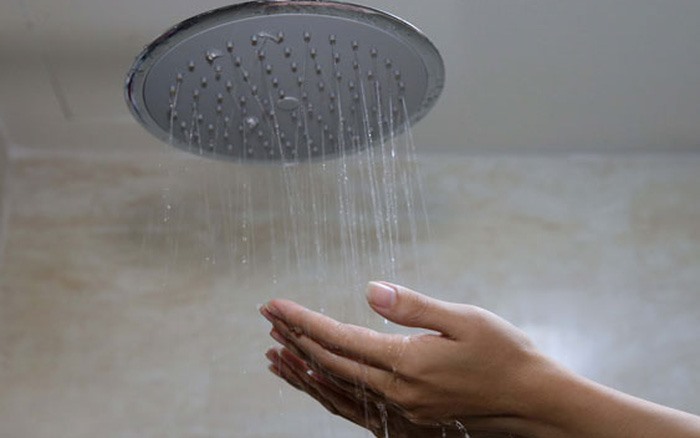
Getting Out of the Bath Can Be the Riskiest Moment
Many people focus on entering the bath but forget about what happens afterward.
Imagine sitting in warm water for 20 or 30 minutes.
Your blood vessels have been dilated by the heat.
Then you stand up quickly.
Gravity pulls blood toward your lower body, and your cardiovascular system has to rapidly adjust.
If the adjustment isn't fast enough, you may experience:
Light-headedness → loss of balance → fall.
For older adults, a bathroom fall can cause serious injuries.
A simple precaution is to stand up slowly, sit on the edge of the tub for a moment if necessary, and make sure you feel steady before walking.
What About Bathing in Cold Water?
Cold water creates a very different cardiovascular response.
Sudden exposure to very cold water can cause blood vessels to constrict and can temporarily increase heart rate and blood pressure.
For healthy people, brief cold exposure may be tolerated.
But sudden cold immersion can be more concerning for people with cardiovascular disease.
If you have heart disease, uncontrolled hypertension, or a history of arrhythmias, it is sensible to discuss extreme cold-water exposure with your healthcare professional.
The same principle applies to very hot water:
Extreme temperatures are not necessarily better for your health.
A comfortable temperature is usually the safer choice.
Can Bathing Actually Cause a Stroke?
This is where health headlines can sometimes become misleading.
A normal bath does not mean that you are going to have a stroke.
Stroke occurs when blood flow to part of the brain is interrupted or when a blood vessel in the brain ruptures.
Major risk factors include:
-
High blood pressure
-
Smoking
-
Diabetes
-
High cholesterol
-
Atrial fibrillation
-
Cardiovascular disease
-
Obesity
-
Physical inactivity
-
Increasing age
-
Certain genetic and medical conditions
Extreme heat or sudden temperature changes may place additional stress on the cardiovascular system, particularly in susceptible individuals, but it would be inaccurate to say that bathing at a particular time directly causes stroke.
The sensible goal is risk reduction and bathroom safety, not fear of bathing.
How to Make Bathing Safer
You don't need to stop bathing.
A few simple habits can make the experience safer.
Keep the Water Comfortable
Avoid extremely hot water.
If your skin becomes intensely red, you feel overheated, or your heart starts racing, the water may be too hot.
Don't Stay in Extremely Hot Water for Too Long
Long periods of heat exposure can increase dehydration and make dizziness more likely.
Rise Slowly
When getting out of the bathtub, don't jump up immediately.
Move gradually from lying or sitting to standing.
Keep the Bathroom Safe
Use non-slip mats and grab bars when appropriate.
Keep the floor as dry as possible.
Older adults should consider additional fall-prevention measures.
Don't Bathe Alone When You're Unwell
If you're sick, severely weak, dizzy, intoxicated, or at risk of fainting, having someone nearby can be important.
Stay Hydrated
Drink fluids appropriately throughout the day, particularly during hot weather or after exercise.
If you have been instructed to restrict fluids because of a medical condition, follow that advice.
People Taking Blood Pressure Medication Should Be Careful
Some medications can make people more susceptible to dizziness when blood pressure falls.
These may include certain:
-
Antihypertensive medications
-
Diuretics
-
Vasodilators
-
Medications affecting the autonomic nervous system
This doesn't mean you should stop taking your medication or avoid bathing.
Instead, if you repeatedly become dizzy during or after a bath, tell your healthcare professional.
They can review your medication, blood pressure readings, hydration status, and other possible causes.
What If You Feel Dizzy in the Bath?
Don't try to "push through" it.
If you suddenly feel light-headed, weak, nauseated, or unusually hot:
-
Stop what you're doing.
-
Sit or lie down safely.
-
Avoid standing suddenly.
-
Cool down gradually.
-
Have someone assist you if needed.
If symptoms are severe, persistent, or accompanied by chest pain, difficulty breathing, fainting, confusion, or neurological symptoms, seek medical attention.
Recognize the Signs of a Stroke
The biggest mistake would be attributing genuine stroke symptoms to simply being tired after a bath.
Remember the FAST warning signs:
F — Face: One side of the face suddenly droops.
A — Arms: One arm becomes weak or numb.
S — Speech: Speech becomes slurred, strange, or difficult to understand.
T — Time: Seek emergency medical care immediately.
Other stroke symptoms can include sudden vision loss, severe dizziness, difficulty walking, loss of coordination, or a sudden severe headache.
If these symptoms appear, do not wait for them to improve.
A stroke is a medical emergency, and rapid treatment matters.
The Bottom Line
Taking a bath is generally safe and can be a relaxing part of a healthy routine.
The situations worth avoiding are not specific clock times. Instead, be cautious about bathing when your body is already under significant stress, such as:
Immediately after intense exercise, when significantly dehydrated, during a fever or overheating, when blood pressure is unstable, or after drinking alcohol.
In these situations, extreme heat can contribute to blood-pressure changes, dizziness, dehydration, or falls.
For most people, the solution is simple: use comfortably warm rather than extremely hot water, avoid prolonged soaking, stay appropriately hydrated, and stand up slowly when leaving the bath.
And don't let sensational headlines make you afraid of ordinary bathing.
The bath itself is rarely the problem. Extreme temperatures, dehydration, alcohol, unstable blood pressure, and unsafe conditions are the factors that deserve your attention.