Avoid These 6 Foods That May Harm Your Thyroid Health, Experts Warn
The thyroid is a small gland in the neck, but it plays a major role in regulating metabolism, energy levels, body temperature, and hormone balance. Health experts say certain foods may interfere with thyroid function, hormone production, or thyroid medication absorption — especially for people with hypothyroidism or other thyroid disorders.
Doctors emphasize that most foods are not “dangerous” when eaten in moderation, but regularly consuming certain foods in large amounts may negatively affect thyroid health in sensitive individuals.
Here are 6 foods experts say people with thyroid problems should be careful with:
1. Soy Products
Foods such as tofu, soy milk, soy sauce, edamame, and other soy-based products contain compounds called isoflavones, which may interfere with thyroid hormone production and reduce iodine absorption. Experts also warn that soy may affect the absorption of thyroid medication if eaten too close to medication time.
Doctors recommend consuming soy in moderation and waiting several hours after taking thyroid medication before eating soy products.
2. Raw Cruciferous Vegetables
Vegetables like broccoli, cabbage, cauliflower, kale, Brussels sprouts, and bok choy contain goitrogens — natural compounds that may interfere with the thyroid’s ability to use iodine properly.
However, experts say cooking these vegetables significantly reduces their goitrogenic effects, and moderate intake is usually safe for most people.
3. Excessive Iodine-Rich Foods
Iodine is essential for thyroid hormone production, but too much iodine can also cause problems. Experts warn against excessive intake of kelp supplements, sea moss, or iodine supplements without medical supervision.
Too much iodine may worsen thyroid dysfunction in some individuals, especially those with existing thyroid disease.
4. Highly Processed Foods
Processed foods high in added sugar, unhealthy fats, sodium, and artificial additives may increase inflammation and negatively affect overall hormone balance and metabolism.
Nutritionists recommend focusing on whole foods, lean proteins, vegetables, fruits, and healthy fats instead.
5. Gluten-Heavy Foods
Some studies suggest a connection between thyroid disorders — especially Hashimoto’s thyroiditis — and gluten sensitivity or celiac disease. Experts say some people with thyroid conditions may benefit from reducing gluten intake if they experience digestive symptoms or autoimmune-related problems.
However, doctors stress that not everyone with thyroid disease needs to completely avoid gluten.
6. Excessive Caffeine
Drinking large amounts of coffee or caffeine — especially close to taking thyroid medication — may interfere with medication absorption and worsen symptoms such as anxiety, rapid heartbeat, sleep problems, or restlessness.
Experts recommend waiting at least 30–60 minutes after taking thyroid medication before drinking coffee.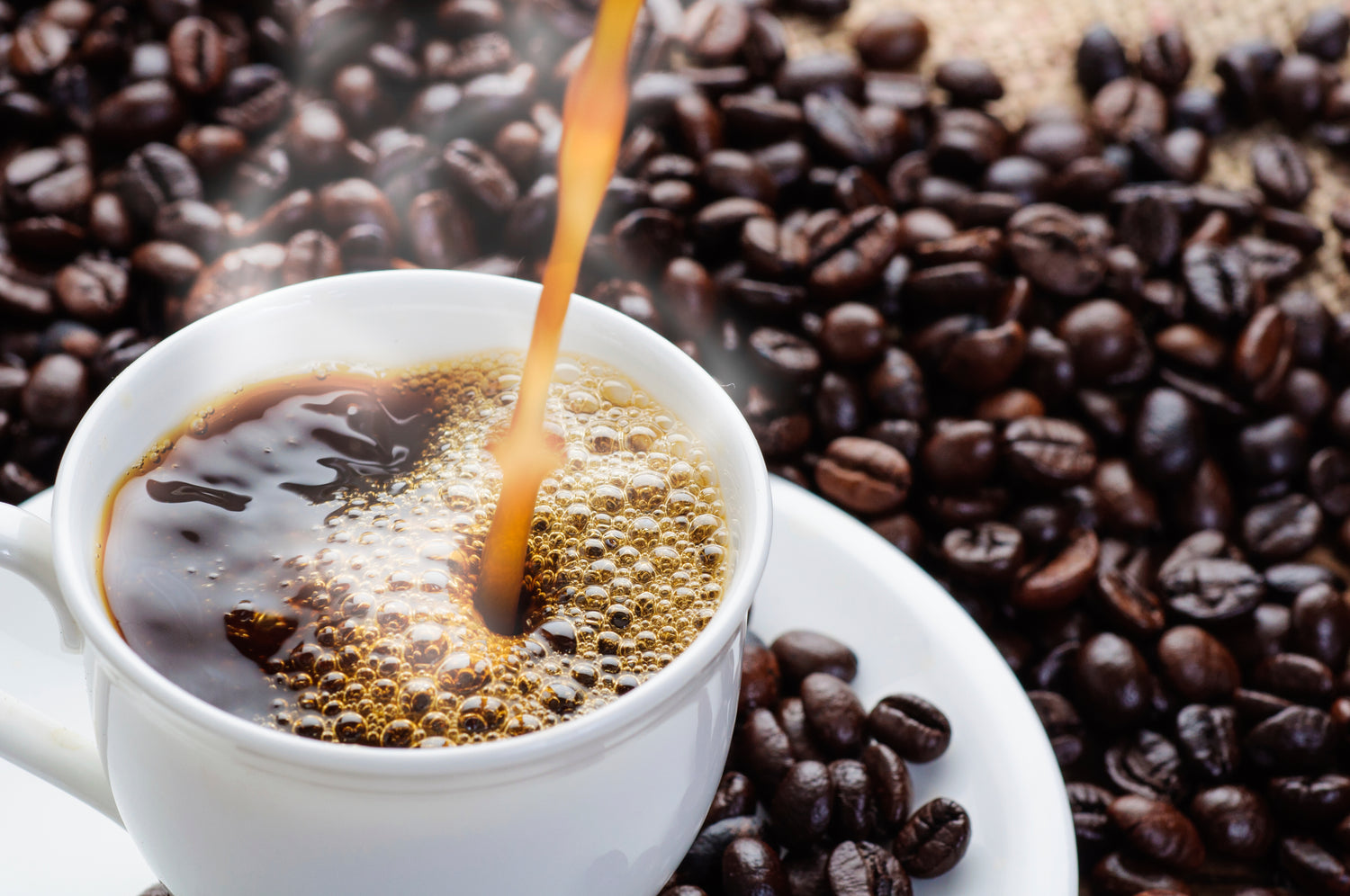
Experts Say Balance Matters Most
Health professionals emphasize that thyroid-friendly eating does not mean completely eliminating all potentially problematic foods. In many cases, moderation, cooking methods, proper medication timing, and maintaining balanced iodine intake are far more important.
Doctors also recommend regular thyroid checkups, following prescribed treatment plans, and consulting healthcare providers before making major dietary changes or taking supplements.