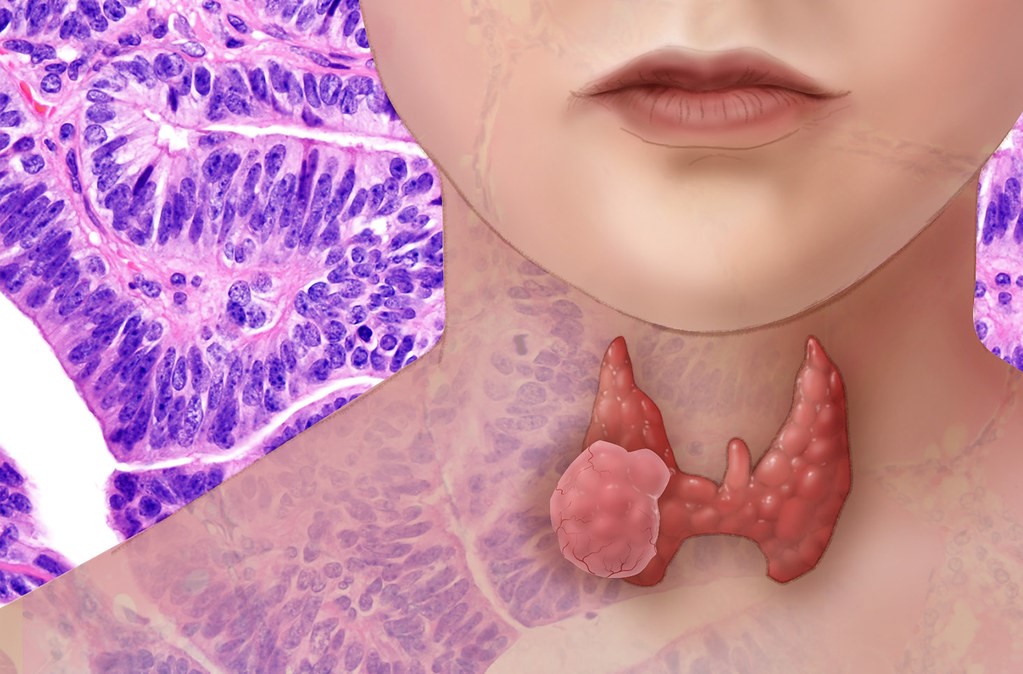
Dietary supplements are widely used for energy, immunity, and overall wellness. While many are safe when used appropriately, some can affect hormone balance and cell growth, particularly in the thyroid - a gland highly sensitive to nutrient levels.
It’s important to be precise here: supplements do not directly “cause” cancer in healthy individuals. However, excess intake or inappropriate use may influence thyroid function and, in certain contexts, interact with existing thyroid conditions.
Below are 2 commonly discussed supplements that require caution.
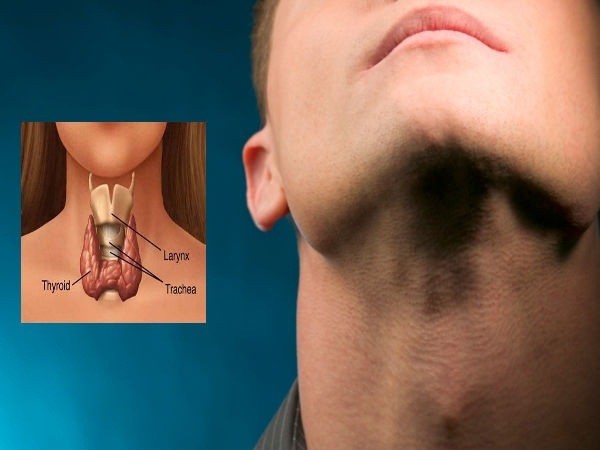
1) Iodine Supplements (When Taken in Excess)
Why iodine matters
Iodine is essential for producing thyroid hormones. Without enough iodine, the thyroid cannot function properly.
The issue with excess
Too much iodine can:
- Disrupt normal thyroid hormone production
- Trigger inflammation in thyroid tissue
- Potentially worsen pre-existing thyroid nodules or conditions
What research suggests
High iodine intake has been associated in some studies with:
- Changes in thyroid cell behavior
- Increased risk of certain thyroid abnormalities in susceptible individuals
This is especially relevant for those with:
- Thyroid nodules
- Autoimmune thyroid disease
Key takeaway
- Moderation is critical
- Avoid high-dose iodine unless prescribed
- Be cautious with iodine-rich supplements (including kelp/seaweed extracts)
2) High-Dose Selenium Supplements
Why selenium matters
Selenium supports:
- Thyroid hormone metabolism
- Antioxidant defense in thyroid tissue
The issue with excessive intake
While normal levels are beneficial, high doses may:
- Disrupt the body’s natural balance
- Lead to toxicity (selenosis)
- Potentially affect cellular regulation
What to consider
- Evidence is mixed, but excessive supplementation without medical need is not recommended
- The thyroid requires balance, not excess
Key takeaway
- Stick to recommended doses
- Avoid combining multiple selenium sources unknowingly

Why the Thyroid Is Sensitive
The thyroid plays a central role in:
- Metabolism
- Hormonal regulation
- Cellular growth
Because of this, both deficiency and excess of certain nutrients can disrupt its function.
Who Should Be Extra Careful?
You should be cautious with supplements if you:
- Have thyroid nodules
- Have been diagnosed with thyroid disease
- Have a family history of thyroid disorders
- Are taking thyroid medication
Always consult a healthcare provider before starting supplements in these cases.
Important Perspective
Let’s keep expectations realistic and responsible:
- Supplements support health, but they are not risk-free
- More is not always better
- Balance is more important than high dosage
There is no strong evidence that standard supplement use directly causes thyroid cancer in healthy individuals. The concern lies in misuse, excess, and individual risk factors.
Final Take
Iodine and selenium are both essential - but in the thyroid, too much can be as problematic as too little.
The safest approach is:
- Get nutrients primarily from food
- Use supplements only when needed
- Follow recommended dosages
Because when it comes to hormone-sensitive organs like the thyroid, precision matters more than quantity.