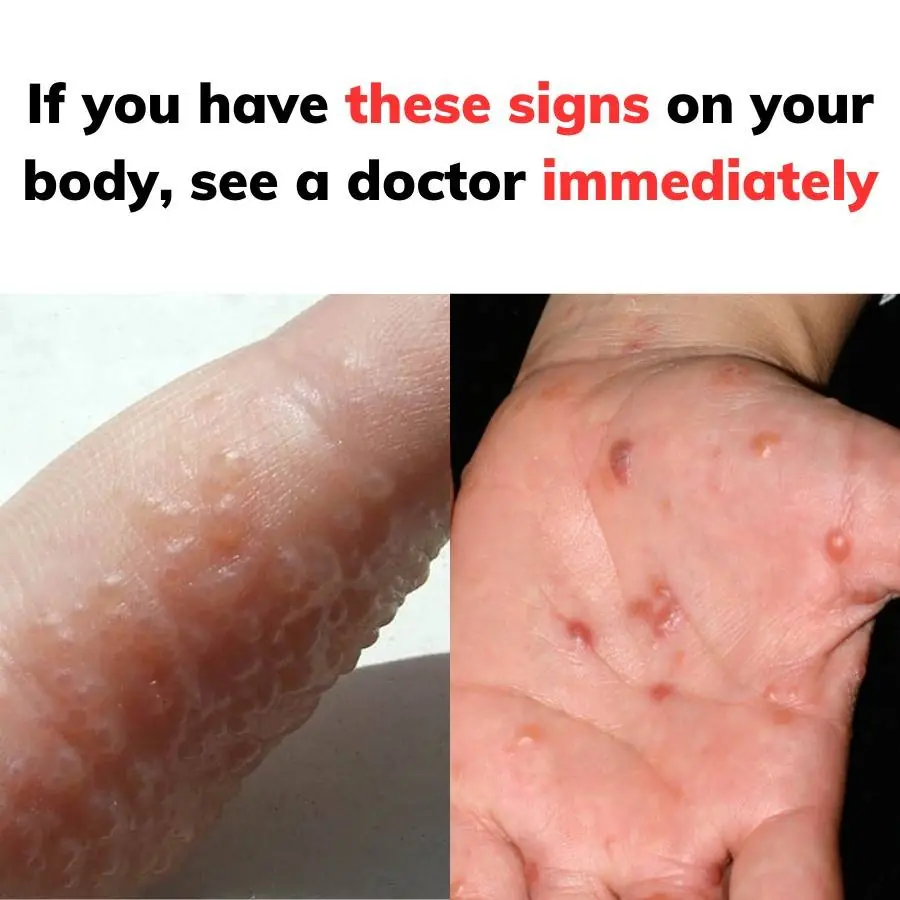
Explanation: Dyshidrotic eczema, also known as dyshidrotic eczema, is identified as a special form of eczema. The disease represents a type of chronic dermatitis. The characteristics of this pathology are the formation and development of deep blisters, accompanied by itching, localized on the hands and soles of the feet.
Dyshidrotic eczema, also known as dyshidrosis, is a chronic skin condition characterized by small, itchy blisters that typically appear on the palms of the hands, sides of the fingers, and soles of the feet. The blisters are often deep-seated and filled with clear fluid.
Causes: The exact cause of dyshidrotic eczema is unknown, but it is believed to be related to a combination of factors, including:
- Allergies: Contact with certain allergens, such as nickel, cobalt, or chromium, can trigger an outbreak.
- Stress: Emotional stress can exacerbate the condition.
- Sweating: Excessive sweating, especially on the hands and feet, can worsen symptoms.
- Skin infections: Fungal or bacterial infections can contribute to the development of dyshidrotic eczema.
- Genetics: A family history of eczema may increase the risk.
Symptoms:
- Blisters: Small, itchy blisters that may be clear, white, or red.
- Itching: Intense itching, which can lead to scratching and further skin damage.
- Cracking and peeling: As the blisters heal, the skin may become dry, cracked, and peel.
- Pain: In severe cases, the affected skin may become painful.
Treatment:
While there is no cure for dyshidrotic eczema, several treatment options can help manage symptoms and prevent outbreaks. These include:
- Topical corticosteroids: Creams or ointments containing corticosteroids can reduce inflammation and itching.
- Wet wraps: Soaking the affected areas in cool water and applying wet compresses can help relieve itching and promote healing.
- Emollients: Moisturizing creams or ointments can help keep the skin hydrated and prevent dryness.
- Oral medications: In severe cases, oral corticosteroids or immunosuppressants may be prescribed.
- Light therapy: Exposure to ultraviolet light can help reduce inflammation.
Prevention:
While there is no guaranteed way to prevent dyshidrotic eczema, the following tips may help reduce the frequency and severity of outbreaks:
- Identify and avoid triggers: Keep a journal to track potential triggers and take steps to minimize exposure.
- Manage stress: Practice stress-reducing techniques, such as meditation or yoga.
- Keep hands and feet dry: Wear moisture-wicking socks and gloves, and dry them thoroughly after washing.
- Avoid harsh soaps and detergents: Use gentle, fragrance-free cleansers.
- Moisturize regularly: Apply moisturizer to the affected areas several times a day.
If you are experiencing symptoms of dyshidrotic eczema, it is important to see a dermatologist for diagnosis and treatment.