A stroke often seems sudden, but in many cases, the body gives warning signs beforehand. These signals can appear days or even weeks earlier, offering a critical opportunity to take action. Recognizing these symptoms early can make a life-saving difference.
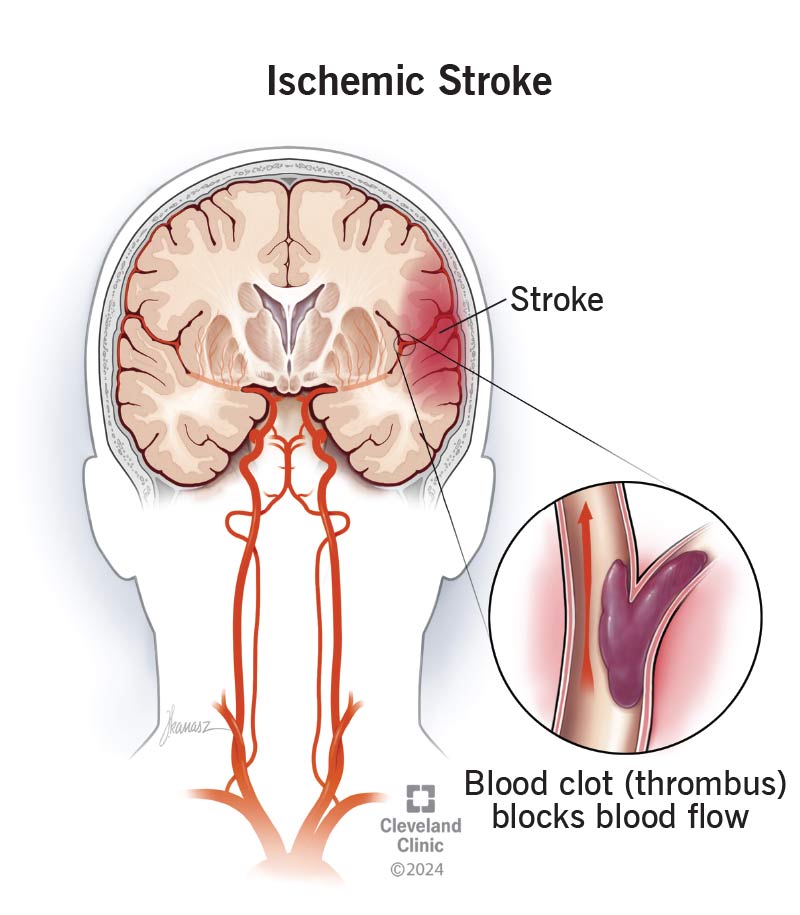
A stroke occurs when blood flow to the brain is disrupted, either due to a blockage or a burst blood vessel. Without oxygen, brain cells begin to suffer damage quickly. That’s why awareness and early response are so important.
1. Sudden Weakness or Numbness
One of the most common early signs is weakness or numbness, especially on one side of the body.
Watch for:
- A heavy feeling in one arm or leg
- Difficulty lifting or controlling a limb
- Numbness in the face
2. Difficulty Speaking or Understanding
Changes in speech can be an early indicator.
Signs include:
- Slurred speech
- Trouble finding words
- Difficulty understanding others
Even brief episodes should not be ignored.
3. Sudden Vision Problems
Vision changes may affect one or both eyes.
Possible symptoms:
- Blurred vision
- Double vision
- Partial or complete loss of sight
4. Severe Headache Without Clear Cause
A sudden, intense headache—especially one that feels different from usual—can be a warning sign.
What to notice:
- Sharp or throbbing pain
- Headache combined with other symptoms

5. Dizziness or Loss of Balance
Problems with coordination can appear suddenly.
Signs include:
- Trouble walking straight
- Feeling unsteady
- Sudden dizziness
6. Facial Drooping
One side of the face may droop or feel weak.
Simple check:
Ask the person to smile—if one side doesn’t move properly, it may be a warning sign.
7. Sudden Confusion
Confusion can appear unexpectedly and may affect thinking and awareness.
Watch for:
- Difficulty focusing
- Disorientation
- Trouble understanding simple instructions
8. Numbness in the Face or Limbs
A tingling or numb sensation may occur suddenly.
Important detail:
It often affects only one side of the body.
9. Sudden Fatigue or Weakness
Unusual fatigue without a clear reason can sometimes be overlooked.
What to notice:
- Extreme tiredness
- Lack of energy
- Difficulty performing routine tasks
10. Brief Episodes of Symptoms (Warning Attacks)
Some people experience short, temporary symptoms that disappear quickly. These are sometimes called “mini-strokes” or warning events.
Why they matter:
- They may last only minutes
- Symptoms may go away on their own
- They still signal a serious risk
When Should You Seek Help?
Immediate medical attention is essential if any of these symptoms appear - even if they seem mild or temporary.
A simple way to remember key signs is the FAST method:
- Face drooping
- Arm weakness
- Speech difficulty
- Time to act
The faster treatment begins, the better the chances of recovery.

Final Thoughts
The body often sends early warning signals before a stroke occurs. These signs may be subtle, temporary, or easy to dismiss - but they should never be ignored.
Awareness can save lives. Recognizing these symptoms and acting quickly can reduce serious outcomes and improve recovery. When something feels off, it’s always better to take it seriously and seek help right away.