A stroke can happen suddenly, sometimes with little or no warning. One moment, a person may feel completely normal; the next, they may be unable to speak clearly, move one side of the body, or maintain their balance.
But there is an important detail many people do not realize: some strokes are preceded by temporary warning symptoms. These symptoms may appear minutes, hours, or even days before a more serious stroke. They can disappear quickly, which sometimes leads people to ignore them.
One of the most important examples is a transient ischemic attack (TIA), sometimes called a “mini-stroke.” A TIA occurs when blood flow to part of the brain is temporarily blocked. The symptoms can look very similar to those of a stroke but usually resolve within a short period.
Although the symptoms may disappear, a TIA should never be considered harmless. It can be an important warning that a major stroke may follow.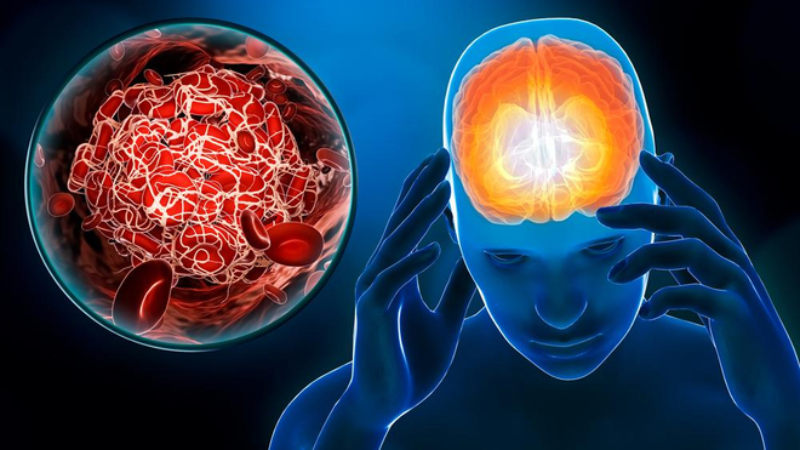
Sudden Weakness or Numbness
One of the most concerning warning signs is sudden weakness or numbness, particularly when it affects only one side of the body.
A person might suddenly notice that one arm feels unusually heavy or weak. They may have trouble lifting it, gripping an object, or performing a simple task with that hand.
The same thing can happen to the face or leg. Someone may notice that one side of their face feels strange or that their smile looks uneven.
What makes this symptom particularly important is its sudden onset. A gradual feeling of weakness after strenuous activity is different from suddenly losing strength on one side without an obvious explanation.
Even if the weakness disappears after several minutes, it should be taken seriously.
Sudden Trouble Speaking or Understanding
Another possible warning sign is an unexpected change in speech or language.
A person may suddenly:
-
Slur their words
-
Struggle to find the right word
-
Speak in a way that does not make sense
-
Have difficulty forming sentences
-
Have trouble understanding what someone is saying
Sometimes the person knows exactly what they want to say but cannot get the words out properly.
In other cases, they may hear the words clearly but suddenly struggle to understand their meaning.
These changes can be frightening, especially when they occur without warning. Even if normal speech returns quickly, the episode may indicate a temporary disruption of blood flow to the brain.
Sudden Vision Changes
Vision problems can also occur before or during a stroke.
A person may suddenly experience blurred or double vision, difficulty seeing clearly, or temporary loss of vision in one eye.
Some people describe it as a curtain or shadow coming across their field of vision. Others may suddenly find that part of their visual field seems to be missing.
Temporary vision loss in one eye can sometimes be related to reduced blood flow affecting the eye or the blood vessels supplying it. It should not automatically be blamed on tired eyes, aging, or an ordinary vision problem.
Sudden unexplained changes in vision warrant prompt medical attention.
Unexpected Dizziness or Loss of Balance
Sudden dizziness is another symptom that can sometimes be associated with a stroke.
A person may suddenly feel as though the room is spinning or find themselves unusually unsteady when walking.
They may have difficulty coordinating their movements or feel as though they are being pulled toward one side.
Dizziness has many possible causes, including inner-ear disorders, dehydration, low blood pressure, medications, and migraine. Most episodes of dizziness are not caused by stroke.
However, sudden severe dizziness accompanied by difficulty walking, weakness, vision changes, confusion, or speech problems is particularly concerning.
These symptoms should not be ignored.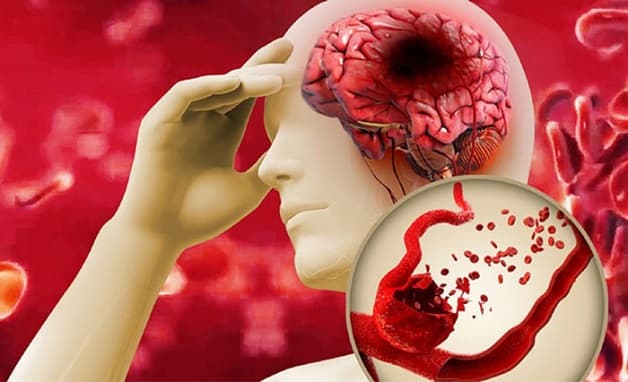
A Sudden, Unusual Headache
A sudden and severe headache can sometimes be associated with a serious neurological emergency.
People may describe it as an unusually intense headache that comes on very quickly. In some cases, a severe headache may accompany a hemorrhagic stroke, which occurs when a blood vessel in the brain ruptures and bleeds.
Not every sudden headache means a stroke. Migraines and other conditions can also cause severe headaches.
However, a headache that is abrupt, unusually severe, or dramatically different from a person's typical headaches should receive urgent medical evaluation, particularly if it occurs alongside neurological symptoms.
Confusion or Sudden Changes in Mental Function
A person may suddenly seem confused or behave differently.
They might have trouble following a familiar conversation, become disoriented, or struggle to perform a task they normally handle without difficulty.
Someone who is usually articulate may suddenly have difficulty organizing their thoughts.
These changes can be subtle, especially in older adults, and may initially be mistaken for fatigue or forgetfulness.
But a sudden change in mental function is different from ordinary forgetfulness that develops gradually over months or years.
A sudden neurological change deserves immediate attention.
Sudden Problems With Coordination
The brain controls precise movements throughout the body. When blood flow to certain areas is disrupted, coordination can suddenly become difficult.
A person might drop objects repeatedly, have difficulty using a fork, stumble while walking, or suddenly struggle with tasks requiring precise hand movements.
They may also find it difficult to control one arm or leg normally.
If these problems appear suddenly and cannot be explained by an injury or another obvious cause, they should be evaluated promptly.
Symptoms That Disappear Can Still Be Serious
One of the most dangerous misconceptions about stroke warning signs is that symptoms are no longer important once they disappear.
Imagine someone suddenly develops weakness in one arm. After 10 or 20 minutes, the arm feels normal again.
They might think:
"It passed, so everything must be fine."
That assumption can be dangerous.
Temporary neurological symptoms may represent a TIA. Although a TIA does not usually cause permanent brain damage in the same way as a completed stroke, it can signal that a blood vessel supplying the brain has become blocked or that another underlying vascular problem exists.
A TIA can therefore be an opportunity to identify and treat a stroke risk before a potentially disabling event occurs.
Why Can a TIA Happen?
A TIA can occur when blood flow to part of the brain is temporarily interrupted.
One possible cause is a small blood clot that travels through the bloodstream and temporarily blocks an artery. The blockage may then dissolve or move, allowing blood flow to return.
Another possibility involves narrowing of an artery caused by atherosclerosis, the buildup of fatty deposits inside blood vessels.
Heart conditions can also increase the risk of blood clots traveling to the brain. Atrial fibrillation, an irregular heart rhythm, is one important example.
Other risk factors include high blood pressure, diabetes, high cholesterol, smoking, obesity, physical inactivity, and increasing age.
High Blood Pressure Often Has No Symptoms
One of the most important stroke risk factors is high blood pressure.
The problem is that hypertension frequently causes no obvious symptoms.
A person can feel perfectly healthy while their blood pressure is damaging the walls of blood vessels over time.
Eventually, damaged or narrowed blood vessels can contribute to a blockage or rupture.
This is why regular blood pressure checks are important, even for people who feel healthy.
If you have been diagnosed with high blood pressure, following your healthcare professional's treatment plan can significantly reduce your risk of stroke.
Atrial Fibrillation Can Increase Stroke Risk
The heart and brain are closely connected through the circulatory system.
With atrial fibrillation, the heart's upper chambers beat irregularly. Blood can become less effectively circulated through the heart, increasing the possibility of clot formation.
If a clot travels through the bloodstream and reaches an artery supplying the brain, it can cause an ischemic stroke.
Some people with atrial fibrillation experience noticeable palpitations, while others have no obvious symptoms at all.
For people with atrial fibrillation, doctors may recommend medications or other treatments to reduce the risk of blood clots, depending on the individual's overall risk profile.
Diabetes and Cholesterol Also Matter
Diabetes can damage blood vessels and contribute to atherosclerosis, increasing stroke risk over time.
High levels of certain blood lipids, particularly LDL cholesterol, can also contribute to plaque buildup inside arteries.
These conditions may develop without obvious symptoms.
This is another reason why preventive healthcare matters. Routine medical examinations can identify risk factors before they contribute to a serious event.
What Should You Do If Warning Signs Appear?
If someone suddenly develops weakness, numbness, speech difficulties, vision changes, severe unexplained dizziness, confusion, or another possible stroke symptom, do not wait to see whether it goes away.
Stroke treatment is highly time-sensitive.
The sooner a person reaches an emergency medical service, the sooner doctors can determine whether the symptoms are caused by a stroke, TIA, or another condition.
It is also important to note when the symptoms began, or when the person was last known to be completely normal. This information can help medical professionals determine which treatments may be appropriate.
Do not attempt to drive yourself if serious stroke symptoms are occurring. Emergency medical services can begin assessment and treatment while transporting the person to an appropriate medical facility.
Don't Assume It Is "Just Aging"
Some warning signs can be surprisingly subtle.
An older person might suddenly become unsteady and assume it is simply part of getting older. Someone might have temporary difficulty speaking and blame stress or exhaustion.
But aging does not normally cause a sudden loss of speech, sudden one-sided weakness, or sudden loss of vision.
Sudden neurological changes should always be taken seriously, regardless of a person's age.
Prevention Starts Before Any Warning Sign
The best time to reduce stroke risk is before an emergency occurs.
Several lifestyle and medical factors can make a meaningful difference.
Keeping blood pressure under control is particularly important. Managing diabetes and cholesterol, avoiding tobacco, maintaining a healthy weight, staying physically active, eating a balanced diet, and limiting excessive alcohol consumption can all contribute to better cardiovascular health.
People with conditions such as atrial fibrillation should also follow their healthcare professional's recommendations for stroke prevention.
These steps cannot eliminate stroke risk completely, but they can reduce many of the factors that contribute to it.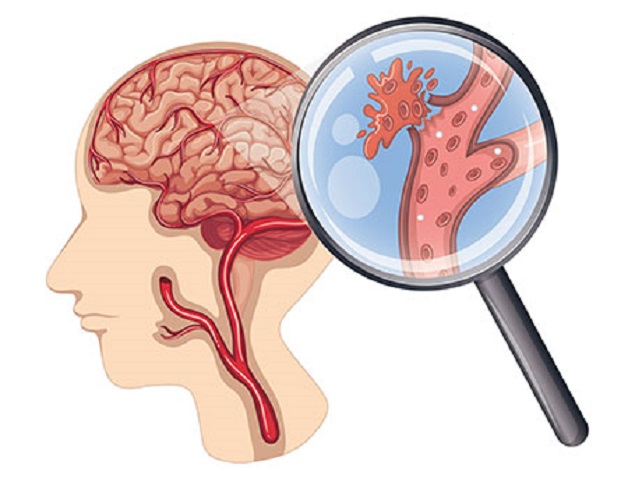
The Bottom Line
A stroke may appear to happen without warning, but some people experience temporary neurological symptoms beforehand.
Sudden weakness or numbness, speech difficulties, vision changes, severe dizziness, coordination problems, confusion, and unusual severe headaches can all be signs of a serious neurological problem.
When symptoms disappear quickly, that does not necessarily mean the danger has passed. A temporary episode may be a TIA and could signal an increased risk of a future stroke.
The safest approach is simple: treat sudden neurological symptoms as an emergency rather than waiting for them to disappear.
Recognizing a warning sign and seeking medical care quickly could make an important difference. A symptom that lasts only a few minutes may still be your body's way of telling you that something is wrong and that message deserves immediate attention