“Vegetables full of hidden worms”? That’s clickbait. Here’s what’s actually true
That image is trying to scare you.
👉 Most vegetables do NOT contain parasites by default, and eating them raw is not “swallowing worms.”
But — and this matters — poorly washed produce can carry contaminants. The reality is more about hygiene than hidden “nests.”
What Can Actually Be on Raw Vegetables?
5
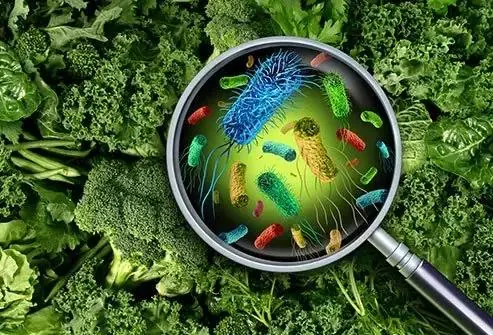
Raw vegetables may carry:
- Soil bacteria (like E. coli, Salmonella)
- Parasite eggs (rare, usually from contaminated soil or water)
- Dirt, pesticides, or residues
👉 Not worms crawling inside — more like invisible contamination on the surface.
So Where Does the “Worm” Idea Come From?
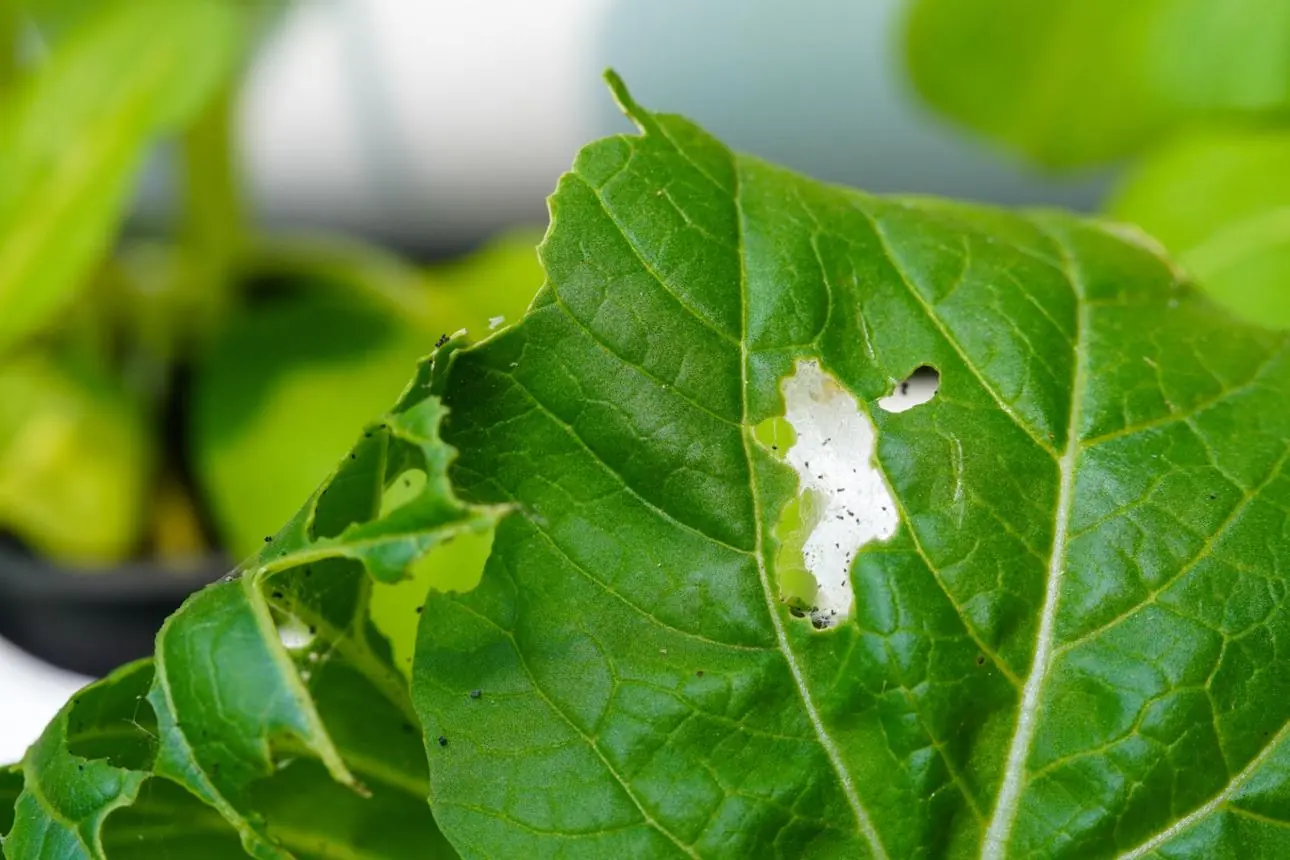
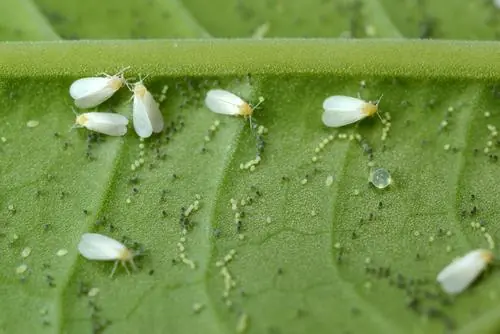
5
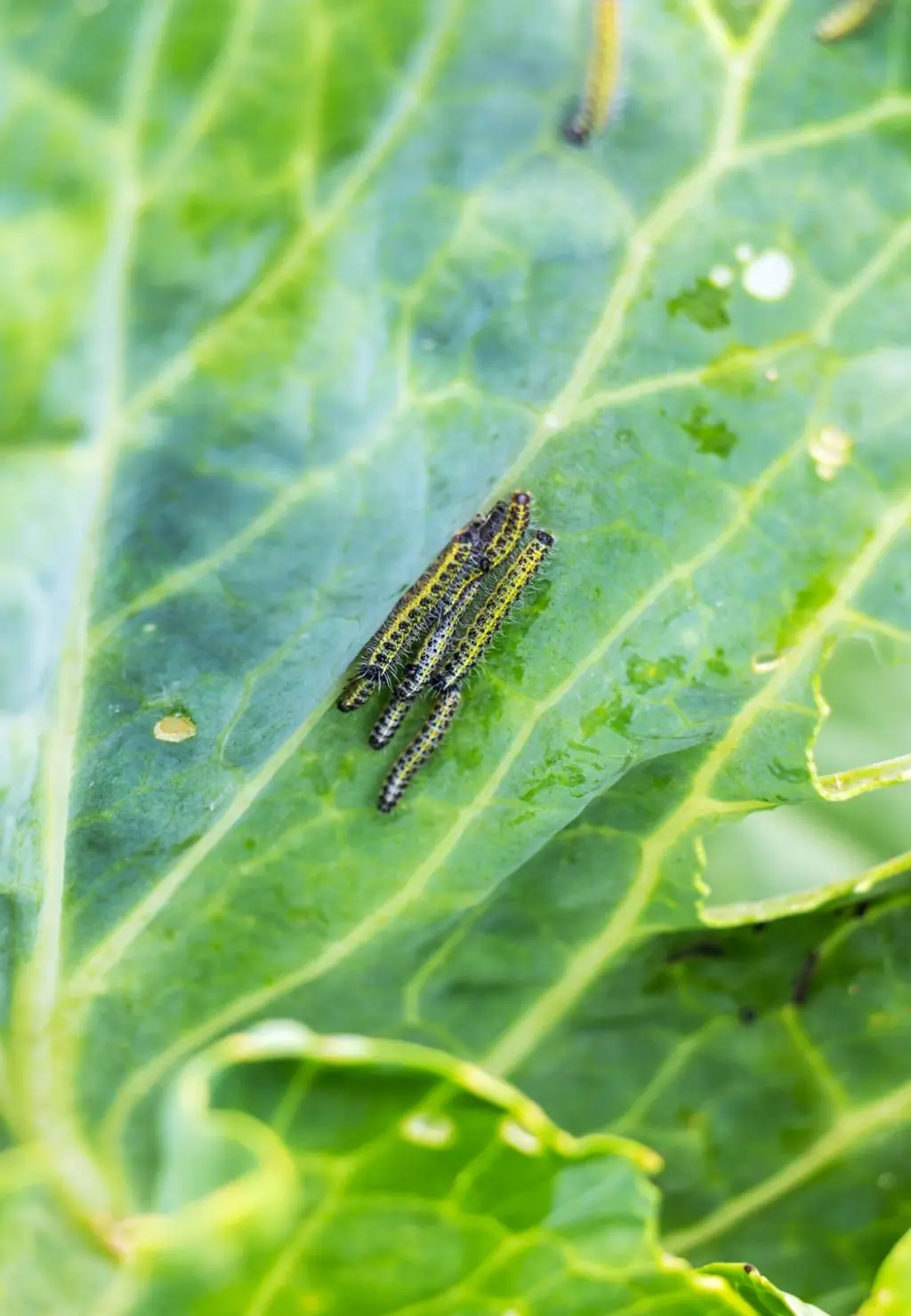
- Some vegetables (especially leafy ones) may have tiny insects or larvae
- These are visible and removable
- They’re not “parasites living inside your body waiting to hatch”
👉 Totally different from actual intestinal worms.
Are There Higher-Risk Vegetables?
Some types need extra care:
- Leafy greens (lettuce, spinach)
- Herbs (cilantro, parsley)
- Vegetables grown close to soil
👉 Because they’re harder to clean thoroughly.
How to Eat Vegetables Safely (No Fear Needed)
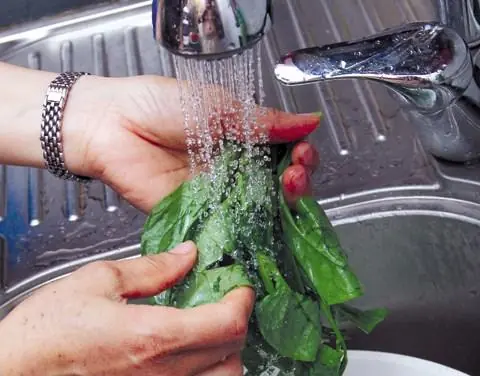

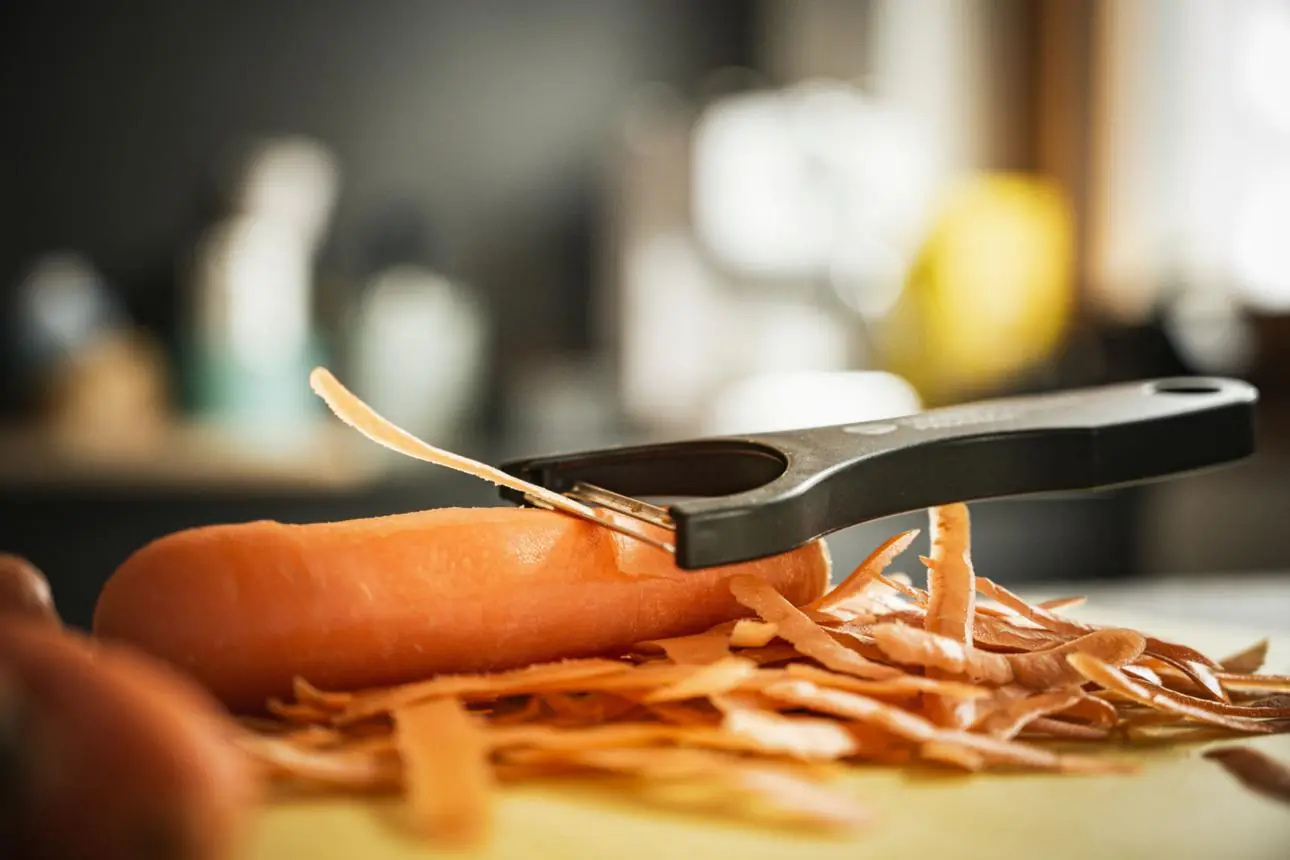
6
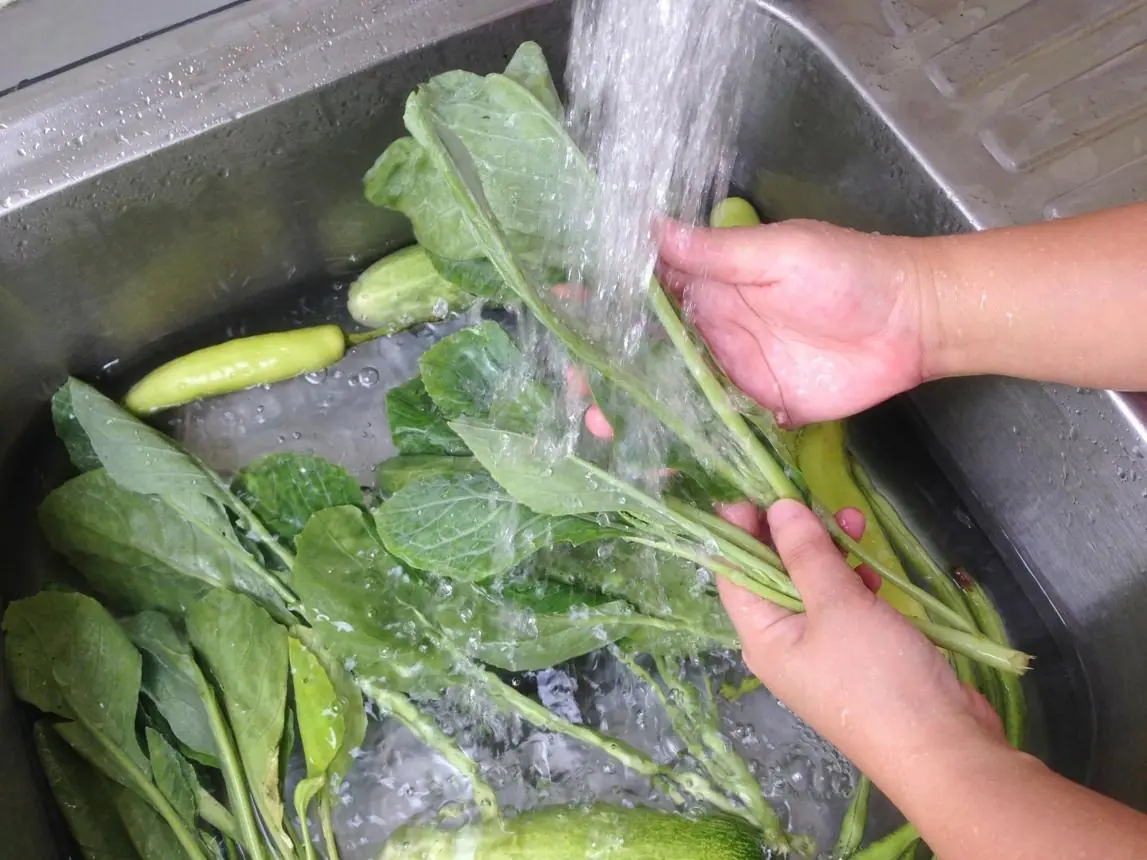
✔ Rinse under running water
✔ Soak in salt water (optional)
✔ Remove damaged or dirty parts
✔ Cook when needed (kills most pathogens)
👉 Basic hygiene = massive risk reduction
When Is There Real Risk?
- Using contaminated water to wash produce
- Eating unwashed raw vegetables
- Poor food handling hygiene
👉 That’s when infections can happen — not because veggies are “full of worms.”
Final Thought
Vegetables are not the enemy — misinformation is.
✔ Raw vegetables = healthy
✔ Risks = manageable
❌ “Hidden worm nests” = exaggerated myth
👉 Bottom line:
Wash properly, don’t panic, and keep eating your greens.
Vegetables Full of Hidden Worms? The Truth About Parasites, Insects, and Food Safety
Have you ever seen a photograph of a leafy vegetable covered in tiny worms and wondered whether the vegetables on your dinner table might contain hidden parasites?
Sensational headlines often claim that ordinary vegetables are full of worms, that eating raw greens means swallowing parasites, or that soaking vegetables in a particular household mixture is the only way to make them safe.
These claims can create unnecessary fear.
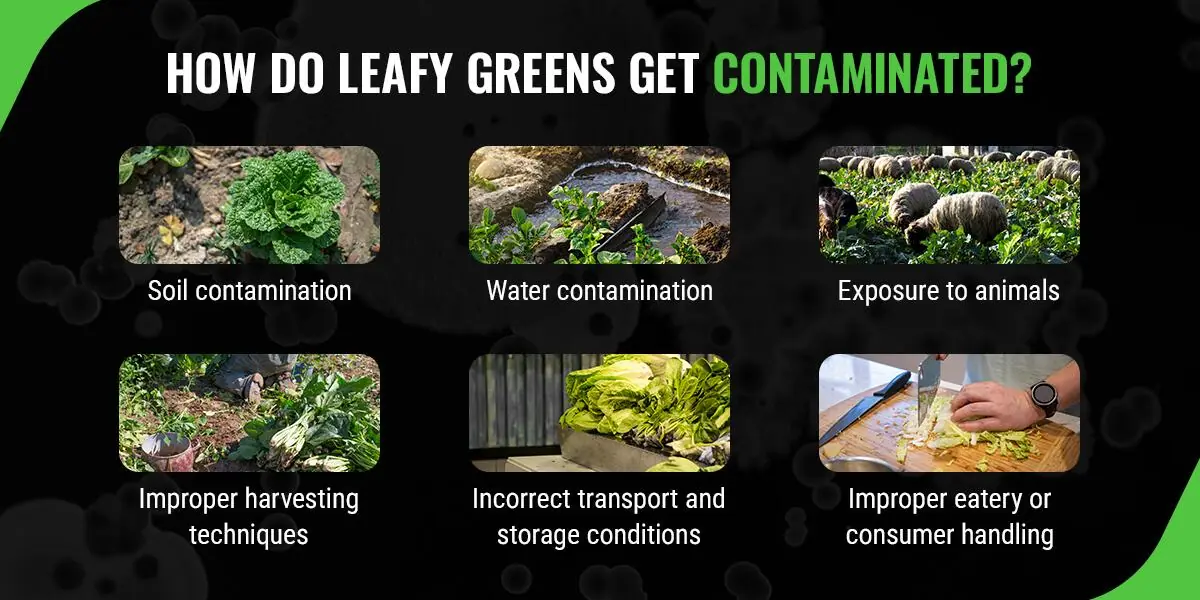
The truth is more nuanced: vegetables are not naturally full of worms, but fresh produce can become contaminated by microorganisms, parasites, insects, soil, and chemical residues during growing, harvesting, transportation, and preparation.
This does not mean people should stop eating raw vegetables. Fresh vegetables provide fiber, vitamins, minerals, and beneficial plant compounds. They are an important part of a balanced diet.
The key is knowing what contamination is possible, how it happens, and how to reduce the risks through proper washing, storage, and food handling.
1. Are Vegetables Naturally Full of Worms?
No. Vegetables do not normally contain worms simply because they grow in soil.
Most vegetables are perfectly ordinary plant tissues. Their leaves, stems, roots, and fruits do not automatically contain intestinal parasites.
However, vegetables grown outdoors can encounter a variety of organisms:
-
Insects feeding on leaves and stems.
-
Insect eggs attached to plant surfaces.
-
Small caterpillars or larvae hiding between leaves.
-
Soil particles and organic debris.
-
Bacteria from contaminated water or animal waste.
-
Parasite eggs or other infectious stages in environments contaminated by human or animal feces.
These are different kinds of contamination and should not be confused.
A small caterpillar found between lettuce leaves is not necessarily an intestinal parasite. It may simply be an insect that feeds on plants.
Likewise, bacteria on the surface of a vegetable are invisible to the naked eye. A vegetable can look clean while still carrying microorganisms.
The important distinction is that visible insects and invisible microbial contamination are not the same problem and require different approaches.
2. What Can Actually Be Found on Raw Vegetables?
Fresh produce can carry several categories of contaminants.
Bacteria
Certain bacteria can contaminate vegetables through soil, irrigation water, manure, handling, or contact with contaminated surfaces.
Examples include:
-
Escherichia coli (E. coli).
-
Salmonella.
-
Listeria monocytogenes.
Not every strain of E. coli causes illness. Some strains are harmless members of the normal intestinal microbiome, while certain pathogenic strains can cause serious foodborne disease.
Depending on the organism and the amount consumed, contaminated food may cause diarrhea, abdominal cramps, vomiting, or fever.