If you have high blood pressure, coconut water may fit into your diet if it is appropriate for your health needs. But it should not replace prescribed medication or other recommended treatments.
Who should be careful?
People with chronic kidney disease, impaired potassium excretion, or certain other medical conditions may need to limit potassium.
Some medications, including ACE inhibitors, angiotensin receptor blockers, and potassium-sparing diuretics such as spironolactone, can increase potassium levels in susceptible individuals.
If you have kidney disease or take medication that affects potassium, ask your healthcare professional whether coconut water is appropriate for you.
Too much potassium in the blood, a condition called hyperkalemia, can interfere with normal heart electrical activity and may become dangerous.
This is an important example of why a nutrient that is beneficial in appropriate amounts can become a problem under certain medical circumstances.
3. Coconut Water Contains Natural Sugars and Carbohydrates
Coconut water is often marketed as a natural alternative to soft drinks and other sweetened beverages.
That can be a reasonable choice, particularly when you select an unsweetened product. However, natural does not mean sugar-free.
Coconut water contains naturally occurring sugars, and the amount varies depending on the coconut and the processing method. Some packaged products also contain added sugar, fruit juice, or other sweeteners.
These carbohydrates provide energy, but they can also contribute to your total carbohydrate intake.
For most healthy adults, a moderate serving of unsweetened coconut water can fit comfortably into a balanced diet. However, repeatedly drinking large quantities may add more sugar and calories than expected.
What if you have diabetes?
People with diabetes do not necessarily need to avoid coconut water, but they should consider its carbohydrate content and the size of each serving.
Coconut water can raise blood glucose because it contains carbohydrates. The size of the response depends on the amount consumed, the product's composition, and individual factors.
If you monitor your blood glucose, your readings may help you understand how a particular product and serving size affect you.
When buying packaged coconut water, check the nutrition label for:
-
Total carbohydrates per serving.
-
Total sugars.
-
Added sugars.
-
Serving size.
-
Whether the container contains multiple servings.
Unsweetened coconut water is generally preferable when you want to avoid unnecessary added sugar.
If you use insulin or other glucose-lowering medication, follow your diabetes care plan rather than relying on coconut water to control blood sugar.
Coconut water is not a treatment for diabetes, and its natural origin does not prevent it from affecting blood glucose.
4. It May Support Recovery After Exercise
After physical activity, your body needs to replace fluids lost through sweating and restore the energy used by your muscles.
Coconut water contains water, potassium, and some carbohydrates, which may make it a convenient beverage after light or moderate exercise.
For example, someone who goes for a walk, cycles recreationally, or completes a moderate workout may enjoy coconut water as part of their post-exercise routine.
Its naturally refreshing taste can also make it easier for some people to drink enough fluid.
However, hydration after exercise depends on more than potassium alone.
Sweat contains sodium as well as other electrolytes. People who exercise intensely for extended periods or sweat heavily may need a drink that provides more sodium than coconut water typically contains.
Food also plays an important role in recovery. Depending on the activity, a meal or snack containing carbohydrates and protein can help replenish energy stores and support muscle repair.
Should athletes replace sports drinks with coconut water?
Sometimes, but not in every situation.
For shorter workouts and ordinary daily activity, plain water is often sufficient. Coconut water can be another option if you enjoy its taste.
For prolonged endurance exercise, intense training in hot conditions, or heavy sweating, a carefully formulated sports drink or an individualized hydration plan may be more suitable.
The choice should depend on the duration and intensity of exercise, sweat losses, and personal tolerance rather than the assumption that one beverage is universally superior.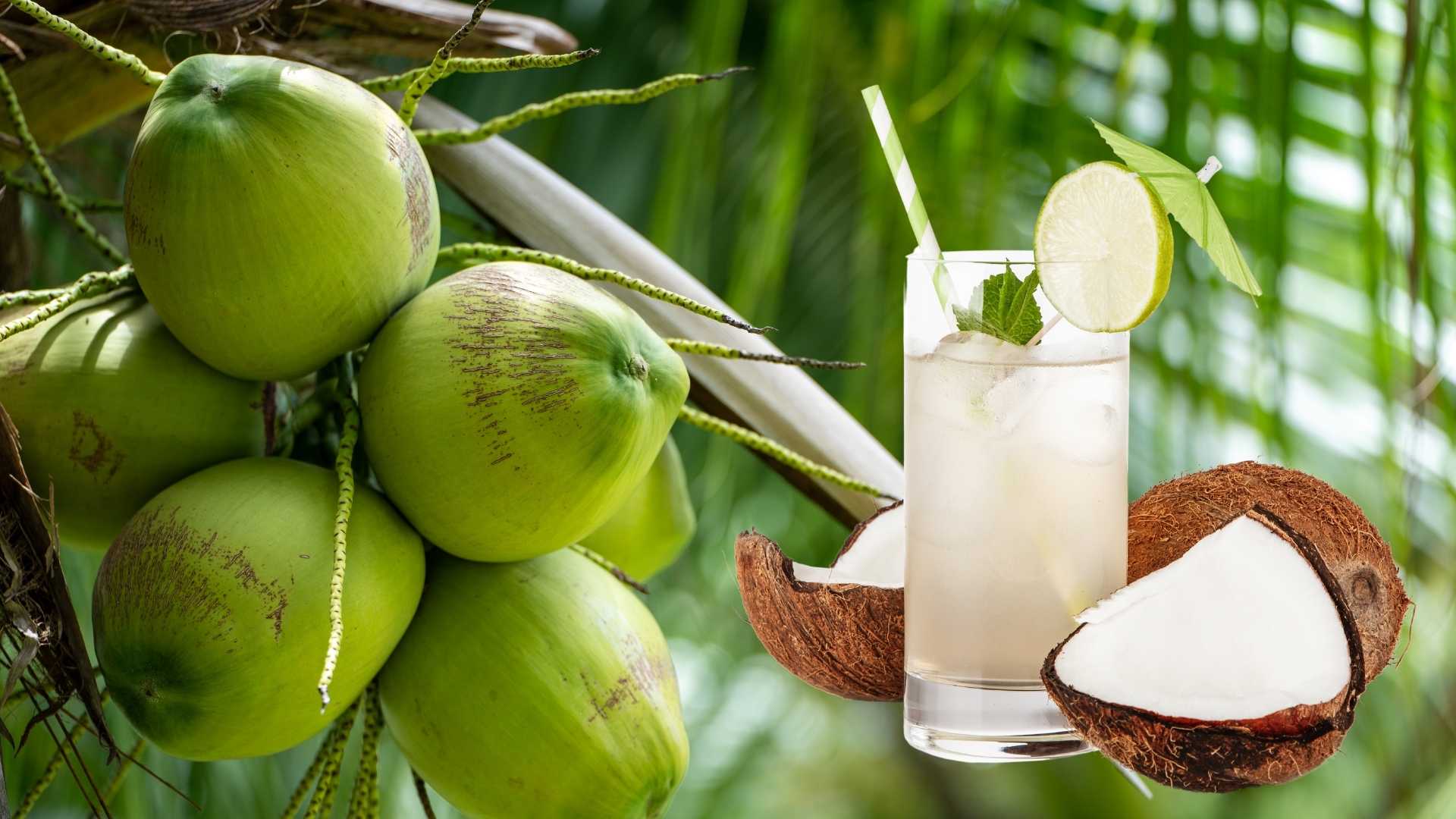
5. Coconut Water May Contribute to Normal Digestive Function
Coconut water is often associated with digestive health, but its benefits should be understood realistically.
It supplies fluid, which is important for normal digestion and can help prevent dehydration. Adequate hydration may be particularly relevant for people who are prone to constipation.
However, coconut water is not a particularly rich source of dietary fiber. It should not be considered a substitute for fiber-rich foods such as vegetables, whole fruits, legumes, and whole grains.
Some people find coconut water easy to drink, while others may experience bloating or loose stools if they consume large quantities.
Digestive responses vary according to individual tolerance and the composition of the product.
Can coconut water relieve constipation?
It may contribute to your fluid intake, but there is insufficient evidence to conclude that coconut water itself is a reliable treatment for constipation.
For many people, constipation management involves increasing dietary fiber gradually, drinking appropriate amounts of fluid, remaining physically active, and establishing a regular bathroom routine.