Mung Beans Back in the Spotlight: A Toxicology Expert Issues 4 Warnings When Consuming Them
Mung beans are widely praised for their nutritional value. Rich in protein, fiber, vitamins, and antioxidants, they are a staple in many healthy diets. From soups to desserts and even sprouted salads, mung beans are versatile and beneficial.
However, like many foods, consuming them incorrectly or excessively may pose certain risks. Toxicology experts highlight that improper preparation or overconsumption can lead to unwanted health effects.
Here are four important warnings to keep in mind when eating mung beans.
1. Avoid Eating Raw or Undercooked Mung Beans
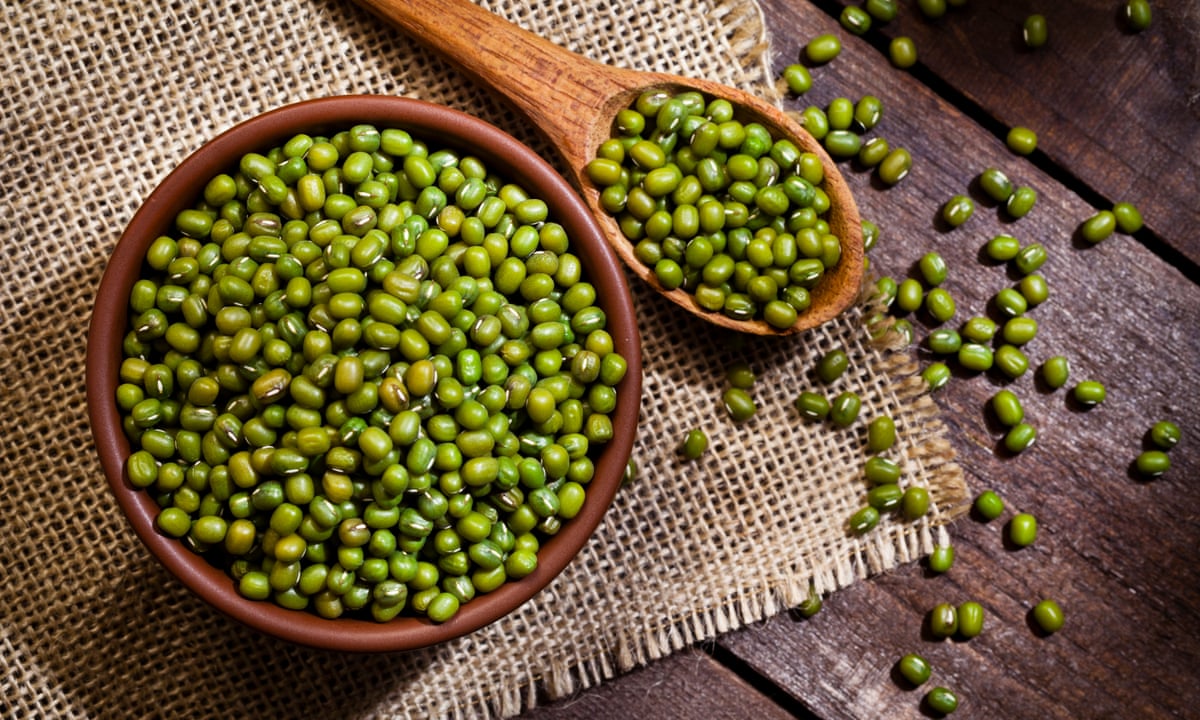
Raw or insufficiently cooked mung beans may contain natural compounds like lectins and enzyme inhibitors, which can interfere with digestion and nutrient absorption. In some cases, they may cause nausea or stomach discomfort.
What to do:
Always cook mung beans thoroughly. If you consume sprouts, ensure they are properly washed and sourced from safe, hygienic conditions.
2. Be Cautious with Sprouted Mung Beans
While mung bean sprouts are popular for their crunchy texture and added nutrients, they are also more prone to bacterial contamination, such as E. coli or Salmonella, especially if grown in unsanitary environments.
What to do:
Buy sprouts from reputable sources, rinse them well, and consider lightly cooking them instead of eating them raw—especially for children, pregnant women, and those with weakened immune systems.
3. Don’t Overconsume—Moderation Matters

Mung beans are high in fiber and plant compounds. Eating too much in one sitting can lead to bloating, gas, or digestive discomfort.
What to do:
Introduce mung beans gradually into your diet and maintain balanced portions. Pair them with other foods to avoid digestive overload.
4. Watch for Individual Sensitivities
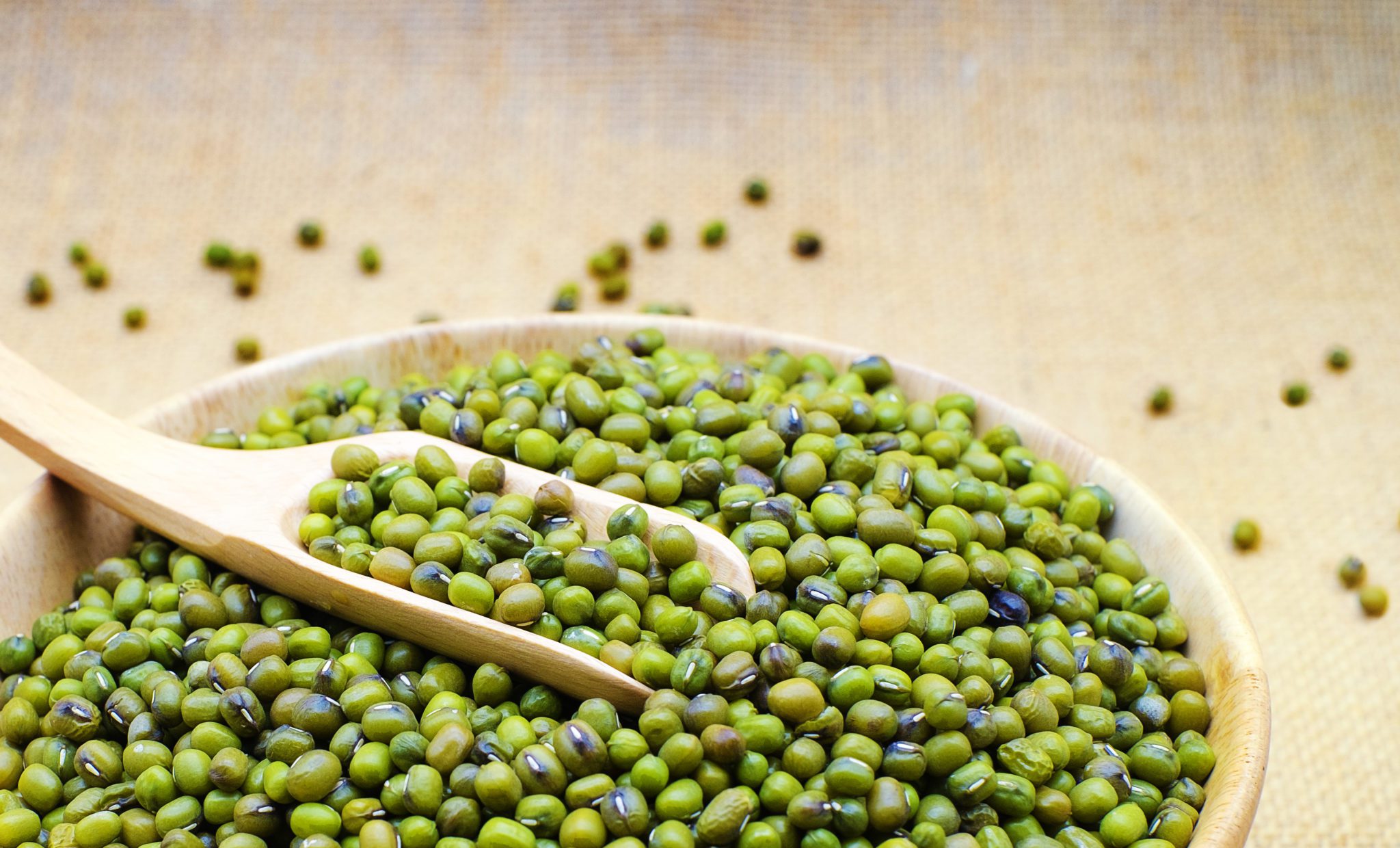
Although rare, some individuals may have sensitivities or mild allergic reactions to legumes, including mung beans. Symptoms can include bloating, itching, or digestive upset.
What to do:
If you notice unusual symptoms after eating mung beans, reduce intake or consult a healthcare professional.
Final Thoughts
Mung beans remain a nutritious and valuable addition to your diet when consumed properly. The key is preparation, moderation, and awareness of your body’s response.
By following these simple precautions, you can safely enjoy the many health benefits mung beans have to offer—without unnecessary risks.