For many people, leaving a glass or bottle of water beside the bed is simply part of the nighttime routine. You may keep it there because you often wake up thirsty, because the air in your bedroom feels dry, or simply because you like knowing that a drink is within easy reach.
At first glance, there seems to be nothing wrong with the habit.
After all, water doesn't suddenly become unsafe just because it sits overnight.
However, the way you store it, whether the container is covered, how often you drink from it, and how long it remains at room temperature can all affect its cleanliness and taste.
So, should you stop keeping water beside your bed?
Not necessarily.
The more useful question is: how can you store and drink it safely?
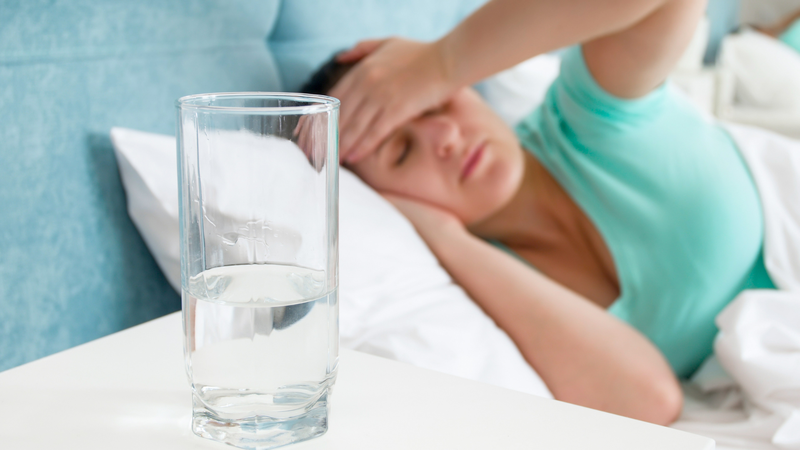
Does Water Go Bad Overnight?
One of the biggest misconceptions is that water left beside your bed becomes "toxic" overnight.
That's not how ordinary drinking water works.
Clean water stored in a clean, closed container doesn't suddenly become dangerous after several hours. If you fill a clean bottle before going to sleep and leave it sealed on your nightstand, there is generally little reason to worry about drinking it the next morning.
The situation is different when the container is left open or repeatedly sipped from.
Once a glass of water is exposed to the environment, dust and other particles can enter it. More importantly, if you repeatedly drink directly from the glass or bottle, microorganisms from your mouth can be introduced into the water.
That doesn't mean you'll automatically get sick.
It simply means that water quality can change depending on how it is handled and stored.
The Biggest Issue May Be the Container, Not the Water
If you regularly keep water beside your bed, the cleanliness of your cup or bottle deserves attention.
A glass that looks clean isn't necessarily perfectly clean.
Over time, residue, dust, and microorganisms can accumulate, particularly if the same container is used repeatedly without being properly washed.
This becomes more relevant when you drink directly from the bottle.
Every sip brings your lips into contact with the opening, creating an opportunity for bacteria from the mouth to enter the container.
If that bottle is then left at room temperature for hours, microorganisms may have an opportunity to multiply.
That's one reason regular washing matters more than worrying about the water itself.
An Open Glass Is More Exposed
A glass of water sitting uncovered on your nightstand is exposed to the surrounding environment for hours.
Depending on the room, it may collect:
-
Dust
-
Airborne particles
-
Pet hair
-
Tiny insects
-
Other environmental contaminants
A bedroom may look perfectly clean, but indoor air isn't completely particle-free.
If you have pets, an open glass can also be more vulnerable to contamination.
A covered bottle or container provides an additional barrier between the water and its surroundings.
This doesn't mean an uncovered glass becomes dangerous after one night.
It simply means that covered storage is generally a cleaner option.
What Happens When You Drink Directly From the Bottle?
This is one of the more important considerations.
Imagine filling a reusable bottle before bed.
You take a few sips.
Then you place it beside your bed and go to sleep.
Several hours later, you wake up and take another drink.
The water hasn't necessarily changed dramatically, but the inside of the bottle is no longer in exactly the same condition as when you first filled it.
Your mouth naturally contains bacteria.
When you drink directly from a bottle, some of those microorganisms can enter the container.
Again, this isn't automatically dangerous.
The human body encounters microorganisms constantly.
But if you're going to keep using the same bottle day after day, washing it properly becomes important.

Why Room Temperature Matters
People sometimes assume that room-temperature water becomes unsafe simply because it isn't refrigerated.
That's an exaggeration.
Many people safely drink water stored at room temperature.
The bigger issue is time and contamination.
A clean, sealed bottle is very different from an open glass that has been sitting out for a long period.
The longer water remains exposed to the environment, the more opportunities there are for contamination.
This is particularly relevant in warm environments.
If your bedroom becomes hot overnight, conditions may be less favorable for maintaining the freshness of an opened drink.
That's why water that has been sitting around for an extended period shouldn't simply be treated the same way as freshly poured water.
The Taste Can Change, Too
Even when water remains safe to drink, it may not taste exactly the same after sitting overnight.
An uncovered glass can interact with the surrounding air, and the water may absorb odors from its environment.
If your bedroom contains fragrances, cleaning products, cooking odors, or other strong smells, an uncovered glass may pick them up.
This is one reason some people notice that overnight water tastes slightly different the next morning.
The difference isn't necessarily a sign that the water has become harmful.
Sometimes, it's simply a matter of freshness and taste.
What About Plastic Bottles?
If you keep water beside your bed, you might use a disposable plastic bottle because it's convenient.
For occasional use, this may seem harmless.
But repeatedly reusing disposable bottles isn't ideal.
The narrow openings and textured surfaces can be difficult to clean thoroughly. If a bottle is repeatedly handled and refilled, residue and microorganisms can accumulate.
A reusable bottle designed to be washed regularly is generally a more practical choice.
Look for one that can be cleaned easily and dried completely.
A bottle with a wide opening can make proper cleaning much easier.
Don't Forget to Wash Your Reusable Bottle
A reusable water bottle isn't automatically hygienic simply because it's reusable.
It needs to be cleaned.
Wash the bottle regularly with warm water and dish soap, paying particular attention to:
-
The mouthpiece
-
The cap
-
Threads and seals
-
Straws
-
Rubber gaskets
-
Any areas where moisture can collect
After washing, allow the bottle to dry thoroughly.
A constantly damp container can provide a more favorable environment for microorganisms than a clean, dry one.
If your bottle develops a strange smell, visible buildup, or a slippery film, give it a thorough cleaning before using it again.
Could a Glass of Water Attract Bugs?
An uncovered glass can occasionally attract small insects, particularly in warm weather.
Mosquitoes, flies, ants, and other insects may be attracted to accessible water or may simply come into contact with the glass while moving around the room.
This isn't necessarily a major health threat from one night of exposure.
But it is another reason a covered container is preferable.
If you've ever woken up and discovered a tiny insect floating in your water, you already know why keeping the glass covered makes sense.
Is It Bad to Drink Water Before Bed?
The water itself isn't the problem.
In fact, staying adequately hydrated is important for normal body function.
However, drinking a large amount of water immediately before going to sleep may cause some people to wake up repeatedly to use the bathroom.
That can interfere with sleep quality.
For people who already wake frequently during the night, deliberately drinking a large glass of water right before bed may not be the best strategy.
Instead, aim to maintain hydration throughout the day and drink according to your thirst and individual needs.
Why Waking Up Thirsty Happens
If you frequently wake up with a dry mouth or strong thirst, the answer isn't always simply "drink more water before bed."
Several factors can contribute to nighttime dryness.
For example:
-
Sleeping with your mouth open
-
Dry indoor air
-
Heavy exercise during the day
-
Eating very salty foods
-
Certain medications
-
Alcohol consumption
-
Illness or other medical conditions
If excessive thirst is persistent or accompanied by frequent urination and other unusual symptoms, it's worth discussing with a healthcare professional rather than simply keeping a larger glass of water beside the bed.
What Is the Best Way to Keep Water Overnight?
If you like having water within reach, there is no need to abandon the habit.
Instead, make it cleaner and more practical.
Use a clean container
Wash your bottle or glass regularly rather than repeatedly using the same unwashed container.
Keep it covered
A bottle with a secure lid helps protect the water from dust and other environmental contaminants.
Don't leave old water sitting around for days
If water has been sitting in an opened container for an extended period, replace it with fresh water.
Clean reusable bottles thoroughly
Don't forget caps, straws, seals, and other small components.
Keep the container away from pets
If animals share your home, place your water somewhere they cannot easily reach it.
These simple steps can dramatically improve the hygiene of the habit.
What If You Prefer a Glass?
There's nothing inherently wrong with using a glass.
In fact, a clean glass can be perfectly practical.
The main disadvantage is that it leaves the water exposed unless you cover it.
If you prefer a glass beside the bed, consider using one with a lid or simply pouring fresh water when needed.
And remember to wash the glass regularly.
There's little benefit in worrying about water sitting overnight while ignoring a container that hasn't been cleaned properly for days.
Don't Believe Every "Overnight Water" Warning
The internet is full of dramatic claims about water left beside the bed.
Some posts claim that overnight water becomes poisonous, chemically dangerous, or filled with harmful substances.
These claims are generally far more dramatic than the evidence supports.
Ordinary drinking water doesn't transform into poison simply because it sits overnight.
What matters much more is contamination, storage conditions, container hygiene, and how long the water has been sitting exposed.
A sealed bottle of clean water is a very different situation from an uncovered glass that has been repeatedly touched and left in a warm room for an extended period.
A Simple Nighttime Routine
If you like keeping water beside your bed, here's an easy routine:
Before bed: Fill a clean, covered bottle with fresh drinking water.
During the night: Drink when you're genuinely thirsty rather than forcing yourself to consume a large amount.
In the morning: If the bottle was properly sealed, the water may still be perfectly reasonable to drink. If it was uncovered or contaminated, replace it.
During the day: Wash the bottle thoroughly and allow it to dry before refilling.
It's simple, practical, and doesn't require turning an ordinary habit into a source of anxiety.
When Should You Be More Careful?
People with certain medical conditions may have specific fluid requirements.
For example, some individuals with heart, kidney, or liver conditions may be advised to limit or carefully manage fluid intake.
In those cases, general advice about drinking more water shouldn't override medical guidance.
Likewise, if you experience persistent excessive thirst, unusually frequent urination, unexplained dehydration, or other concerning symptoms, talk with a healthcare professional.
The goal isn't simply to drink as much water as possible.
It's to maintain appropriate hydration for your individual needs.
The Bottom Line
Leaving water beside your bed overnight isn't automatically unhealthy or dangerous.
The bigger concern is how the water is stored and handled.
An uncovered glass can collect dust and other particles. Drinking directly from a bottle can introduce microorganisms from your mouth. Reusing an unwashed container can allow residue and microbial buildup to develop.
But a clean, covered bottle filled with fresh drinking water is a much different situation.
So, if you enjoy having water beside your bed, there's no need to panic or throw away your bedside bottle.
Just keep it clean, covered, and fresh.
And perhaps the most useful takeaway is this:
Don't be afraid of overnight water—be mindful of hygiene.
A simple habit of washing your container regularly, keeping your water covered, and replacing old or questionable water can help you stay hydrated without turning your nighttime routine into something unnecessarily complicated.