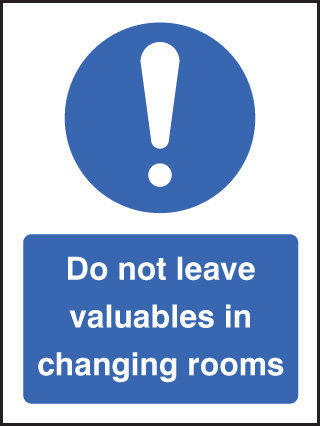
Changing rooms are meant to be private spaces, but in reality, not all of them are as safe as they should be. Over the past few years, reports of hidden cameras, improper mirror installations, and privacy violations have raised serious concerns — especially in hotels, malls, and retail stores.
While most fitting rooms are completely safe, knowing how to protect yourself doesn’t mean being paranoid. It means being aware. A few simple checks can help you feel more confident and reduce the risk of privacy invasion.
Why Changing Rooms Can Be Risky
Changing rooms are small, enclosed spaces where people are most vulnerable. This makes them an attractive target for privacy violations such as:
-
Hidden cameras
-
Improperly installed two-way mirrors
-
Recording devices disguised as everyday objects
These incidents are rare compared to the number of safe facilities, but when they happen, the impact can be severe. Awareness is the first layer of protection.


Understanding the Difference: Real Mirror vs. Two-Way Mirror
One of the most common concerns involves two-way mirrors. These mirrors look like normal mirrors but can allow someone on the other side to see through under certain lighting conditions.
A simple test often shared online is the finger test:
-
Touch the mirror with your fingertip
-
If there is a gap between your finger and its reflection, it is usually a real mirror
-
If there is no gap, it may be a two-way mirror
However, this test is not 100% reliable. Lighting conditions, mirror thickness, and installation style can affect the result. The test should be used as a quick check — not definitive proof.
Other Signs That May Raise Red Flags
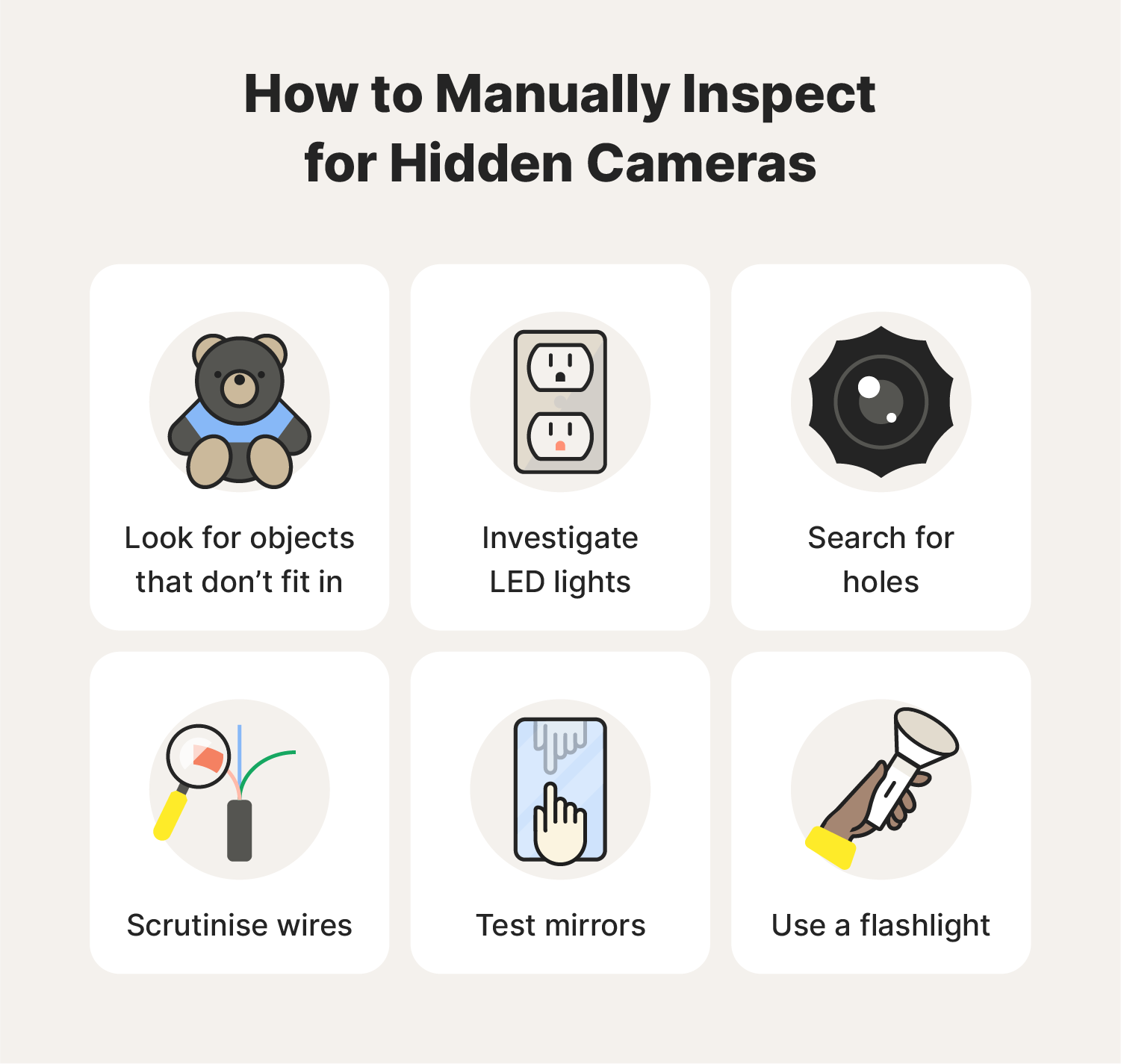
Beyond mirrors, there are other things worth paying attention to when entering a changing room:
Unusual Objects or Placement
Be cautious of:
-
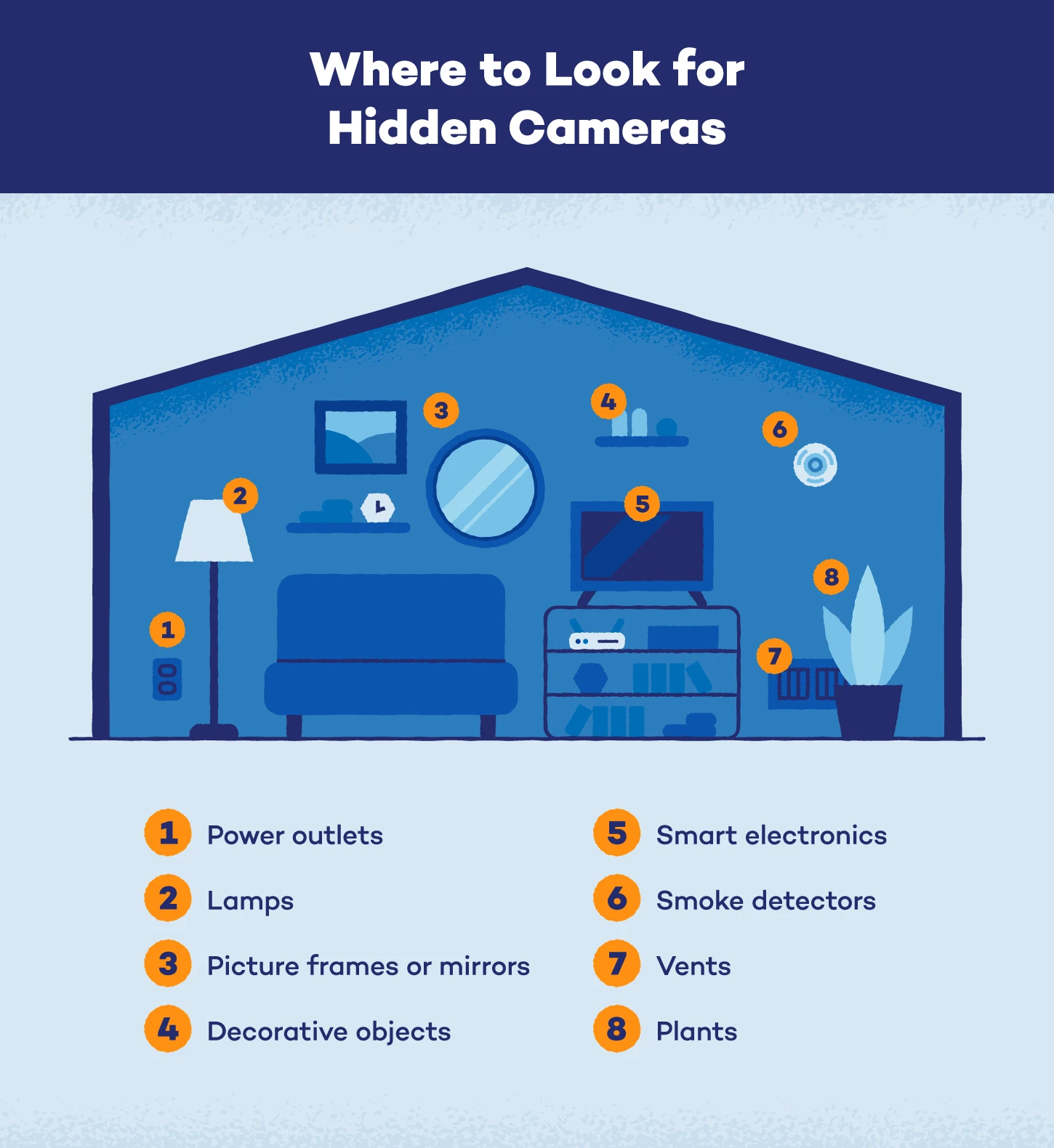
Smoke detectors pointing toward the changing area
-
USB chargers, power banks, or wall adapters in odd positions
-
Small holes in walls, shelves, or hooks
These don’t automatically mean something is wrong, but out-of-place electronics deserve a closer look.
Unexpected Lighting Reflections
Hidden camera lenses often reflect light. Turning off the room lights briefly and using your phone’s flashlight to scan surfaces may reveal small glints.


Trust Your Instincts
One of the most underrated safety tools is intuition. If something feels off — poor lighting, strange mirror placement, or unusual silence from staff — you are allowed to leave.
You don’t owe anyone an explanation for prioritizing your safety. Legitimate businesses understand and respect privacy concerns.
What to Do If You Suspect a Privacy Violation
If you believe a changing room may be unsafe:
-
Stop changing immediately
-
Leave the room calmly
-
Inform store management or hotel staff
-
If necessary, contact local authorities
Avoid touching or removing suspicious objects yourself. Let professionals handle the situation.

Practical Safety Tips You Can Use Anywhere
Here are simple habits that can make a difference:
-
Use changing rooms with solid doors rather than curtains
-
Prefer rooms located near staff areas
-
Change facing away from mirrors when possible
-
Cover mirrors briefly with clothing if you feel unsure
-
Avoid using changing rooms with unexplained electronics
These steps are not about fear — they’re about control.
Don’t Let Awareness Turn Into Anxiety
It’s important to keep perspective. Millions of people use changing rooms safely every day. The goal of awareness is not to create panic, but to empower people with knowledge.
Privacy violations are unacceptable — and the more people understand their rights and warning signs, the harder it becomes for bad actors to operate unnoticed.
Teaching Awareness to Teens and Young Adults
Young people are often the most frequent users of public changing rooms and may not think about privacy risks. Teaching them:
-
To speak up
-
To trust discomfort
-
To leave unsafe situations
helps build lifelong safety habits without fear.
Final Thoughts
Changing rooms should be safe spaces. While most are, blind trust isn’t protection — awareness is. Simple checks, common sense, and confidence in leaving uncomfortable situations can go a long way in protecting your privacy.
Being careful doesn’t mean being afraid.
It means being informed.
Your privacy is not optional — it’s a right.