Best Foods for Gout: What to Eat to Manage Your Symptoms
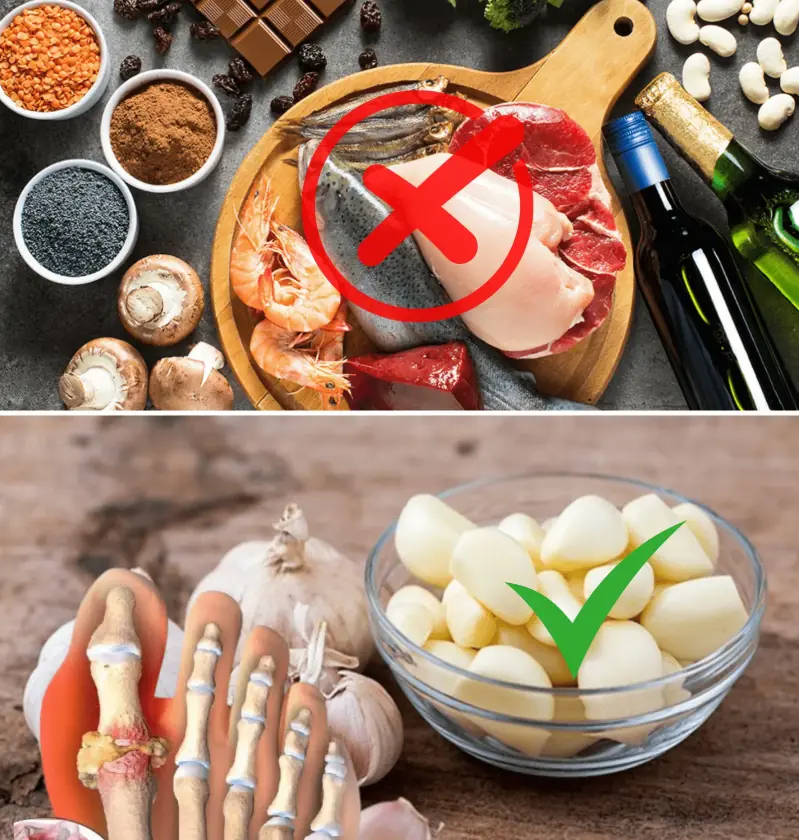
Gout is a condition caused by high uric acid levels in the blood, leading to painful joint inflammation. It happens when uric acid builds up and forms crystals in the joints, triggering swelling and severe pain.
How Can Your Diet Help with Gout?
Your body naturally produces purines, but they’re also found in certain foods like red meat, seafood, and alcohol. Eating too many purine-rich foods can raise uric acid levels and make gout worse. The good news? Adjusting your diet can help lower uric acid, reduce inflammation, and ease symptoms.
Gout is a lifelong condition, but with the right diet and lifestyle changes, you can minimize flare-ups and keep your joints healthier.
Important Note:
-
Diet changes won’t cure gout, but they can help prevent painful attacks and slow joint damage.
Best Foods for Gout
If you have gout, focus on foods that fight inflammation and avoid those that increase uric acid. Here are the best options:
1. Low-Purine Foods
Since uric acid forms when your body breaks down purines, eating low-purine foods can help keep your levels in check.
Good choices:
-
Eggs
-
Nuts & seeds
-
Low-fat dairy (milk, yogurt, cheese)
-
Whey protein isolate
-
Most fruits and vegetables
💡 Fun fact: Even veggies high in purines, like spinach, asparagus, and mushrooms, don’t seem to trigger gout attacks.
2. Low-Fructose Foods
Fructose (a type of sugar) can spike uric acid levels. Studies show that consuming fructose can raise uric acid levels up to four times in just 30 minutes!
Safe fruits for gout:
-
Citrus fruits (oranges, lemons, grapefruits)
-
Pineapple
-
Berries (strawberries, blueberries, raspberries, cherries)
-
Grapes
3. Low-Glycemic Index (GI) Foods
The Glycemic Index measures how quickly foods raise blood sugar. High-GI foods can cause inflammation, which makes gout symptoms worse.
Best low-GI foods:
-
Leafy greens
-
Beans & legumes
-
Whole grains (brown rice, oats, quinoa)
4. Foods High in Vitamin C
Vitamin C helps your kidneys flush out uric acid and reduces inflammation.
Great sources of Vitamin C:
-
Citrus fruits (oranges, lemons, grapefruits)
-
Berries (strawberries, blueberries, cherries)
-
Broccoli, bell peppers, spinach
-
Kiwi, tomatoes, potatoes
Top 20 Gout-Friendly Foods
-
Low-fat yogurt – Helps flush uric acid out through urine.
-
Citrus fruits – Packed with Vitamin C to lower uric acid.
-
Cherries – Contain antioxidants that reduce inflammation.
-
Beans & legumes – A good plant-based protein option. 💡 Tip: Keep portions small (about 30g per day) to avoid too much purine.
-
Water – Keeps you hydrated and helps remove uric acid.
-
Coffee – May lower uric acid by improving kidney function.
-
Avocados – Loaded with anti-inflammatory omega-3 fatty acids.
-
Salmon – Rich in omega-3s, but eat in moderation (2-3 times per week).
-
Olive oil – Another great anti-inflammatory fat.
-
Leafy greens – Full of vitamins and antioxidants to fight inflammation.
-
Berries – Low in sugar, high in anti-inflammatory compounds.
-
Green tea – Contains powerful antioxidants that help with joint pain.
-
Broccoli – Low in purines and high in Vitamin C.
-
Whole grains – Help balance blood sugar and reduce gout risk.
-
Garlic – May lower uric acid by slowing purine breakdown. 💡 Tip: Use garlic in marinades to cut down purine content in meat.
-
Apples – Contain quercetin, an anti-inflammatory compound.
-
Bananas – High in potassium, which helps kidneys remove uric acid.
-
Pineapple – Contains bromelain, an enzyme that reduces swelling.
-
Eggs – A great low-purine protein source.
-
Skinless chicken – Lower in purines than red meat.
Final Thoughts
There’s no cure for gout, but making smart food choices can help you manage symptoms and prevent painful attacks. Stick to a diet rich in low-purine, anti-inflammatory foods and stay away from high-purine triggers.
🥦 Eat wisely, stay healthy, and enjoy a life with less pain!