
The Hidden Culprits Behind Osteoporosis: 3 Popular Beverages That May Weaken Your Bones
Many People Drink These Every Day Without Knowing the Risk
Health 05/08/2026 07:24
Your feet may reveal early warning signs of uncontrolled blood sugar.


 6
6
Diabetes is one of the world's fastest-growing chronic diseases, and many people remain unaware they have it until complications begin to develop. While symptoms such as increased thirst or frequent urination are widely recognized, the feet are often among the first parts of the body to show warning signs when blood sugar remains poorly controlled.
According to the International Diabetes Federation (IDF), hundreds of millions of people worldwide are living with diabetes, with type 2 diabetes accounting for the vast majority of cases. Early recognition and proper blood sugar management are essential to reducing the risk of long-term complications.
Below are five unusual foot symptoms that should not be ignored.
High blood sugar can gradually damage peripheral nerves, leading to diabetic neuropathy. One of the earliest symptoms is numbness or reduced sensation in the feet.
People may notice that their feet feel "asleep," less sensitive to touch, or unable to detect hot or cold temperatures. Because of this reduced sensation, injuries such as burns or cuts may go unnoticed and become more serious over time.
Diabetes may also affect blood circulation by damaging blood vessels over time. Reduced blood flow to the legs can contribute to painful muscle cramps, especially during the night or after long periods of sitting.
Although leg cramps have many possible causes, persistent or worsening symptoms should be discussed with a healthcare professional.


 5
5
Persistent itching is another symptom sometimes associated with diabetes. High blood sugar can lead to dry skin, poor circulation, and an increased risk of fungal or bacterial infections.
Some people mistakenly assume the itching is caused only by eczema or allergies. However, if symptoms continue despite treatment or are accompanied by redness, cracking, or infection, medical evaluation is recommended.
One of the best-known complications of diabetes is delayed wound healing.
When blood sugar remains elevated, circulation may be impaired and the immune system may not function as effectively. As a result, even small cuts or blisters on the feet may take much longer to heal and have a greater risk of becoming infected.
Prompt treatment is important because untreated wounds can lead to serious complications.
Dark patches, unusual discoloration, or persistent skin changes on the lower legs and feet may occur for many different reasons. In people with diabetes, these changes may be related to poor circulation, previous injuries, or skin infections.
Although skin discoloration does not always indicate diabetes, persistent or unexplained changes should be evaluated by a healthcare provider.


 6
6
The best way to reduce the risk of diabetic foot complications is to keep blood sugar levels within the target range recommended by your healthcare provider.
Experts also recommend:
Many of these symptoms can have causes other than diabetes. However, numbness, persistent itching, slow-healing wounds, or repeated leg cramps should never be ignored—especially if they occur together or continue for several weeks.
Early diagnosis and effective blood sugar management can help prevent serious complications and protect long-term foot health.
Many People Drink These Every Day Without Knowing the Risk

Not every nail line is dangerous, but some changes deserve medical attention.

A Common Eating Habit Led to a Shocking Diagnosis
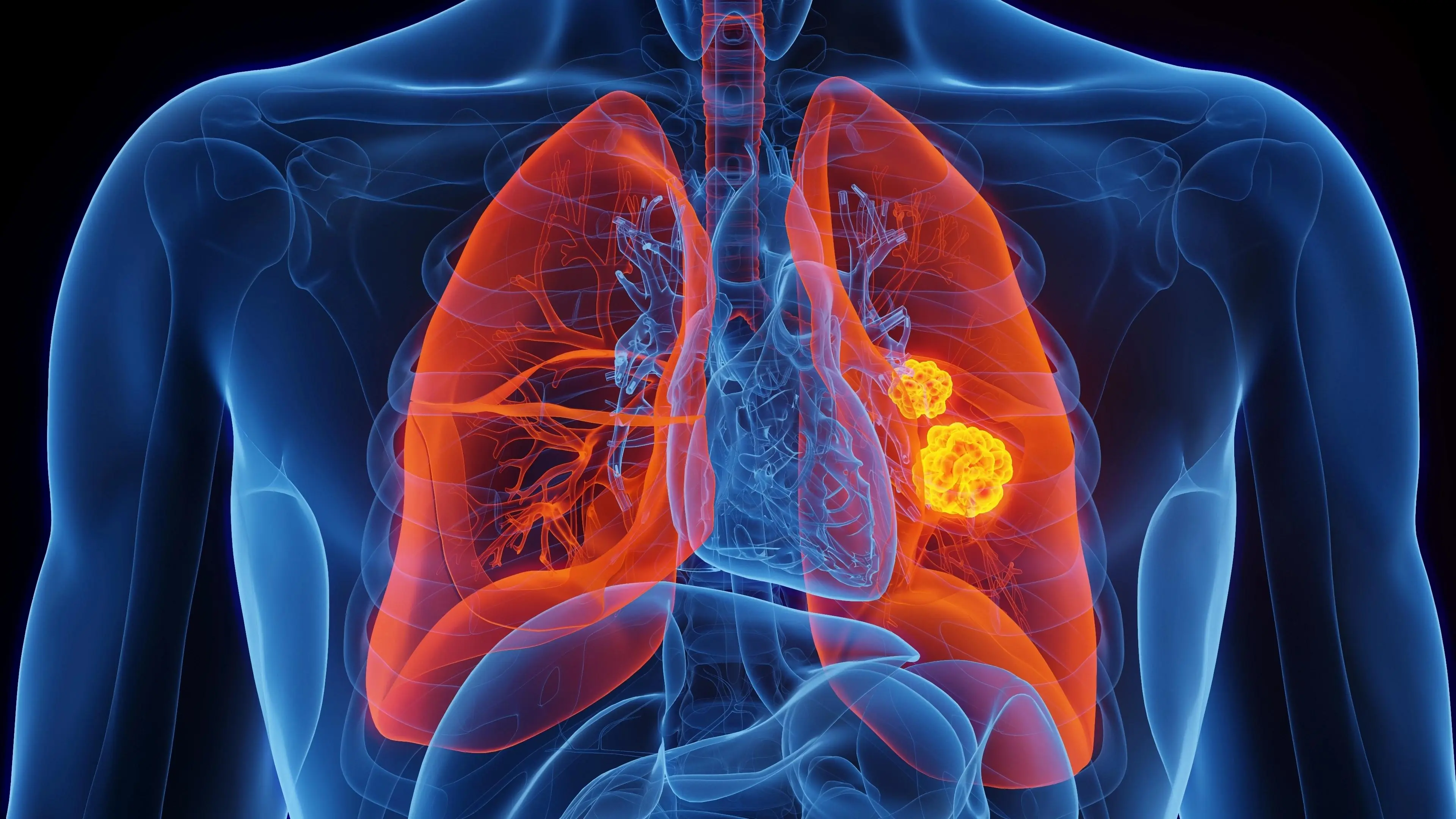
Could Your Body Be Sending Silent Warning Signals?

The Surprising Truth Behind Her Longevity
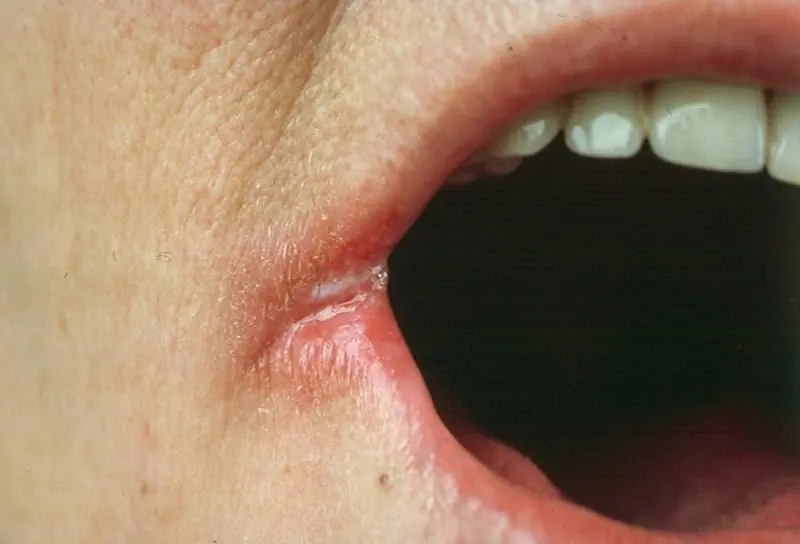
Could Your Face Be Trying to Tell You Something?

YOU MAY LOVE AVOCADOS, BUT THESE 5 GROUPS SHOULD THINK TWICE BEFORE EATING THEM

5 Signs Women Should Know About When It Comes to Cervical Cancer

Eating Eggplant Regularly? 🍆 These People May Need Extra Caution
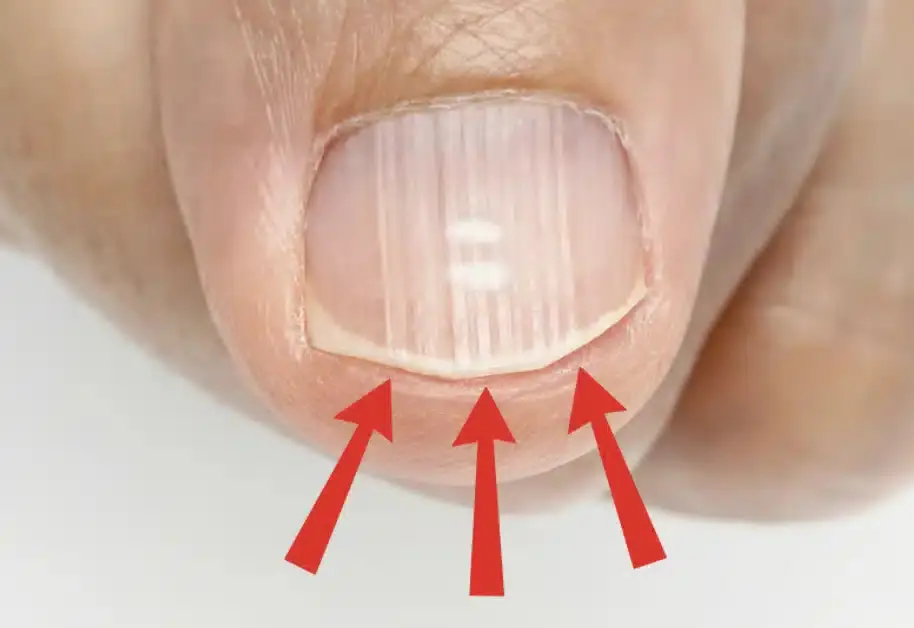
Doctors Explain What Certain Nail Lines After 40 May Reveal About Your Health

Your Heartbeat Gets Noticeable When You Lie Down? Here’s What It Could Mean

Eggs for Breakfast Every Day? Doctors Reveal the Possible Effects… See More
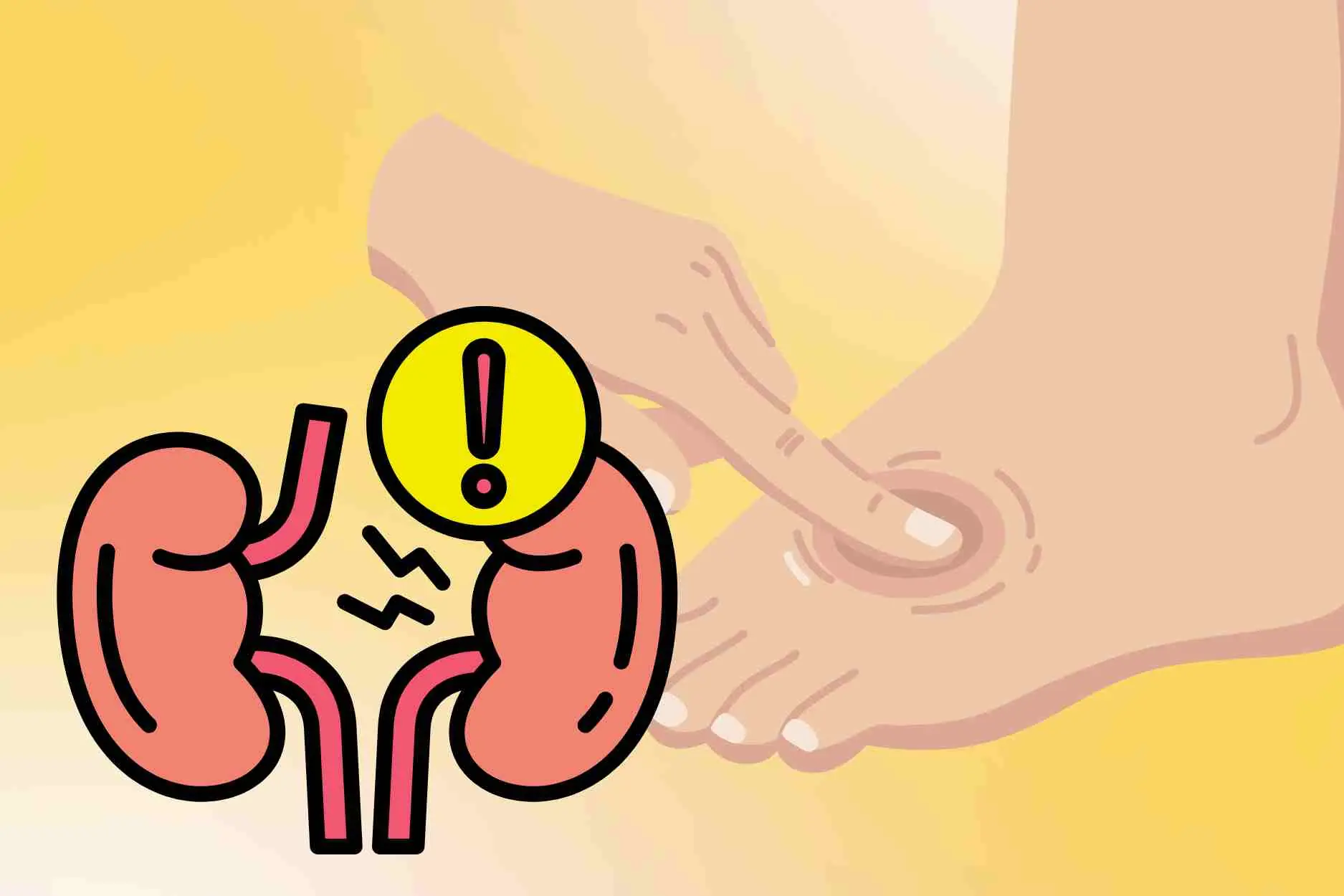
Pay Attention to Your Feet: 5 Changes That May Be Linked to Kidney Health

O Poder Oculto da Grama Teimosa: A Maravilha Despretensiosa da Natureza...

Experts urge caution, but no proof links phones directly to thyroid can.cer.

Morning eggs can support health, but balance and moderation still matter.

Ginger Isn’t for Everyone: 5 Health Conditions That May Call for Caution

Over 60 and Eating Bananas Daily? Here's What Experts Say Could Happen

Doctor Lifted His Pant Leg, Then Ordered an Emergency ICU Transfer.
Many People Drink These Every Day Without Knowing the Risk
Not every nail line is dangerous, but some changes deserve medical attention.



A Common Eating Habit Led to a Shocking Diagnosis
Could Your Body Be Sending Silent Warning Signals?


Why Grocery Stores Rarely Sell Oranges in Plain Plastic Bags

The Surprising Truth Behind Her Longevity
Could Your Face Be Trying to Tell You Something?


Does Sleeping Apart Mean Your Relationship Is in Trouble?

Frog meat can be safe—but only when sourced, handled, and cooked properly.

YOU MAY LOVE AVOCADOS, BUT THESE 5 GROUPS SHOULD THINK TWICE BEFORE EATING THEM
5 Signs Women Should Know About When It Comes to Cervical Cancer

One simple laundry habit can keep clothes cleaner, brighter, and fresher.