For many women, discovering a stray hair on the chin is dismissed as a harmless, albeit annoying, part of getting older. While it is true that hormonal shifts during aging—such as the transition into menopause—can cause changes in facial hair growth, experts note that chin hair can sometimes be a signal of deeper underlying health factors.
Understanding why these changes happen can help women take a more proactive approach to their hormonal and metabolic well-being.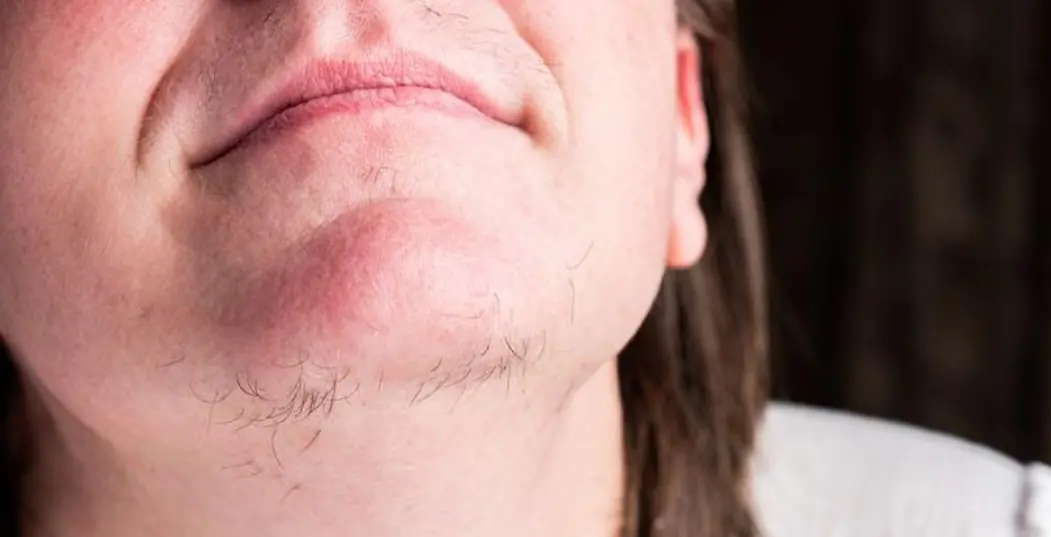
The Hormonal Connection
Hair growth across the body is heavily influenced by hormones, specifically androgens (male hormones that are naturally present in women in smaller amounts). When the balance between estrogen and androgens shifts—or when the body becomes more sensitive to androgens—it can stimulate the growth of coarser, darker hairs in areas like the chin, jawline, and upper lip.
Potential Underlying Factors
While aging and genetics play a major role, experts highlight several common reasons behind unexpected facial hair growth:
-
Polycystic Ovary Syndrome (PCOS): PCOS is one of the most frequent endocrine disorders among women of reproductive age. It is often characterized by hormonal imbalances, irregular periods, and elevated androgen levels, which can manifest physically as excess hair growth, acne, or weight fluctuations.
-
Perimenopause and Menopause: As women age, estrogen levels decline significantly while androgen levels remain relatively stable, creating a hormonal imbalance that can prompt new facial hair to sprout.
-
Insulin Resistance: High insulin levels can stimulate the ovaries to produce more androgens. Insulin resistance is closely tied to metabolic health and can sometimes contribute to unwanted physical changes, including skin and hair alterations.
-
Adrenal Gland Function: The adrenal glands, which sit above the kidneys, help produce various hormones. Certain conditions affecting adrenal function can lead to an overproduction of androgens.
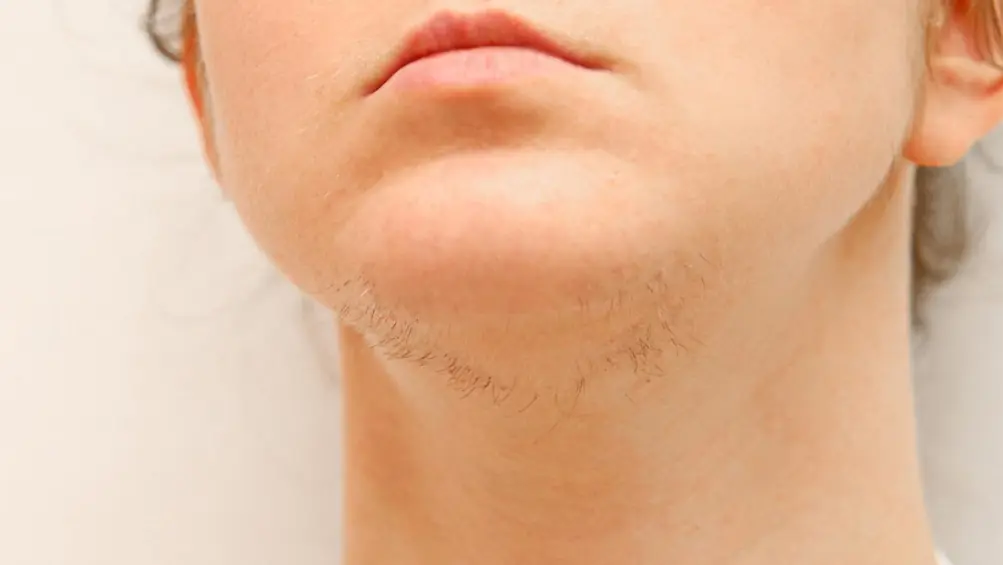
When to Seek Medical Guidance
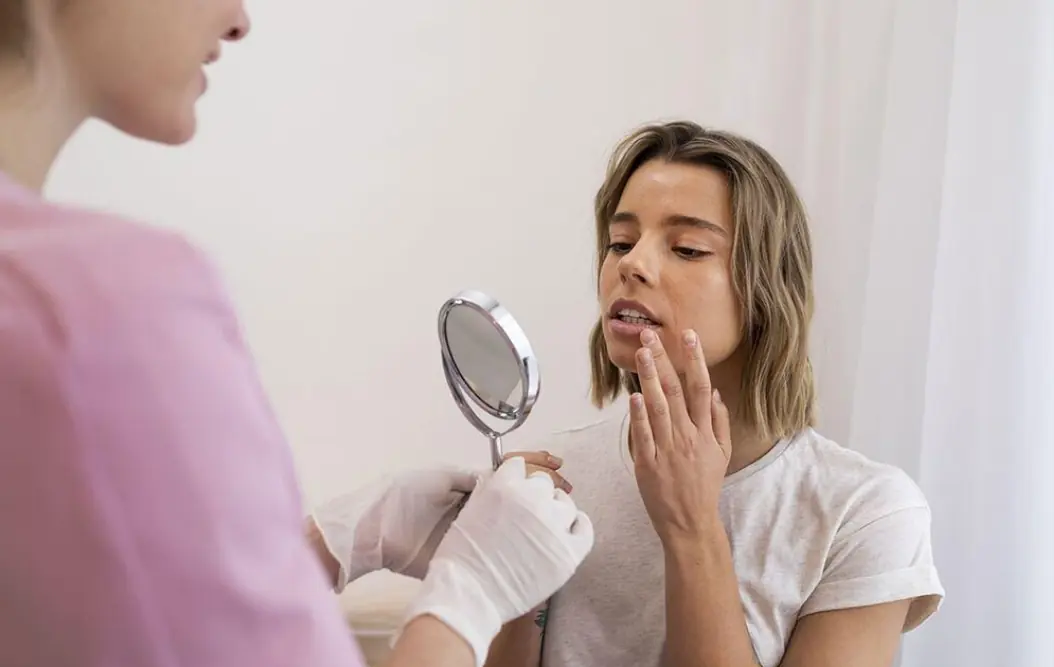
A single, fine hair that appears occasionally is usually nothing to worry about. However, you should consider consulting a healthcare professional or a dermatologist if you notice:
-
Sudden or rapid changes in hair growth patterns.
-
Coarse, dark hairs developing thickly across the chin, chest, or abdomen.
-
Accompanying symptoms such as irregular menstrual cycles, unexplained weight gain, severe acne, or thinning scalp hair.
What You Can Do
Managing chin hair often involves a combination of cosmetic solutions—such as plucking, waxing, threading, laser hair removal, or prescription creams—and addressing any root causes. If a hormonal imbalance or condition like PCOS is identified, a doctor can recommend targeted treatments, lifestyle adjustments, or medication to help rebalance your system and improve overall wellness.